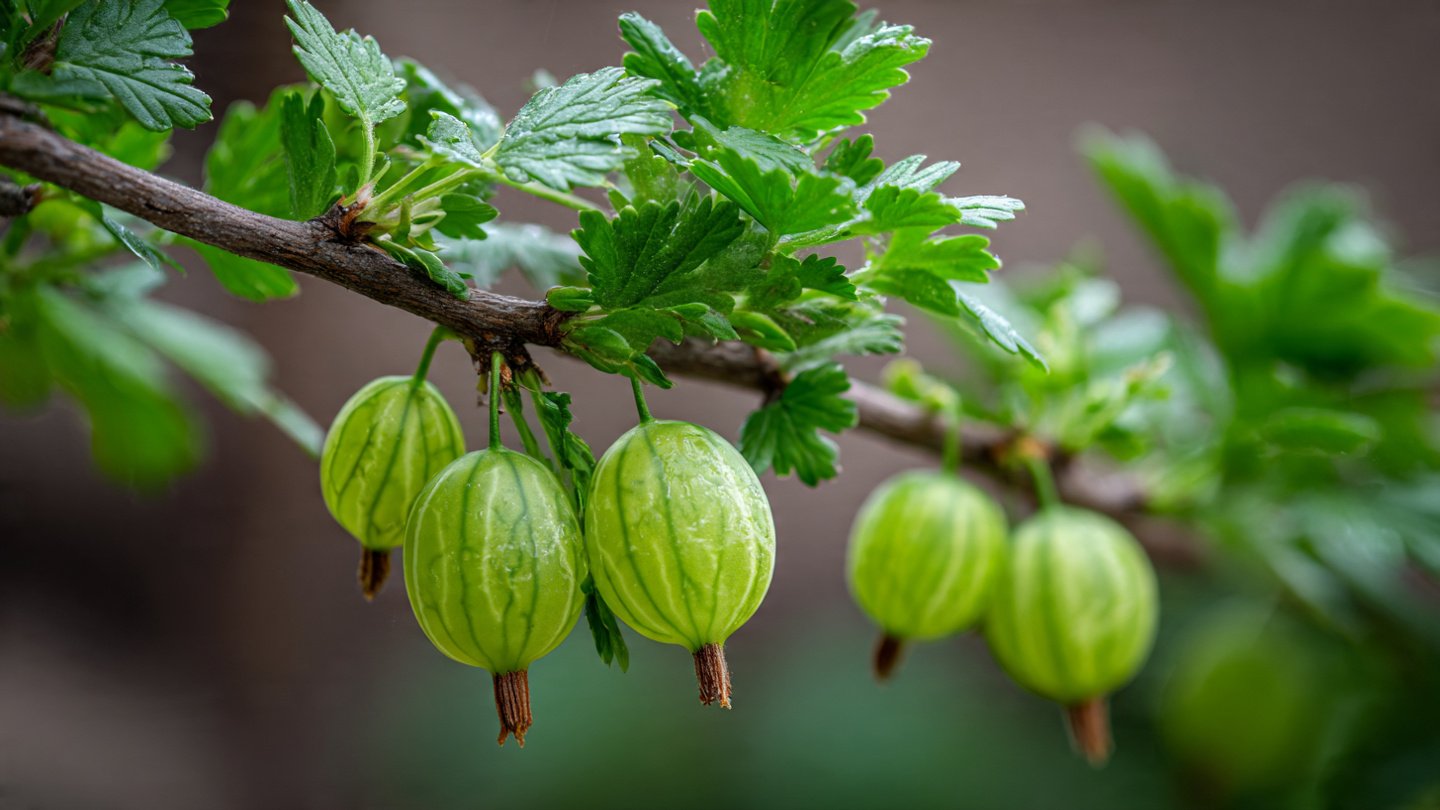
Gooseberries are beloved for their tart flavor and versatility in culinary applications, from jams to desserts. However, like many fruit-bearing plants, they require special care during the winter months. Protecting gooseberry plants from extreme temperatures, frost, and other environmental factors is essential to ensure that they thrive and produce a bountiful harvest in the following year. This article will explore effective strategies for safeguarding gooseberry plants during the winter season.
Understanding Gooseberry Plant Needs
Before delving into protective measures, it’s essential to understand what gooseberry plants need during winter:
- Hardiness: Gooseberries are relatively hardy plants, usually suited for USDA hardiness zones 3 to 8. However, they still require protection against harsh winters.
- Water: While dormancy reduces their water needs, they should still be adequately hydrated before the frost settles in.
- Mulching: Mulch protects the roots from freezing temperatures and retains moisture.
Preparing Gooseberries for Winter
1. Pruning
Importance of Pruning
Pruning is a crucial step in preparing gooseberries for winter. This practice enhances air circulation within the plant, reduces disease risk, and encourages healthy growth in the spring.
How to Prune
- Timing: Late fall or early winter, after most leaves have fallen but before the first hard frost.
- Technique: Remove dead or diseased branches. Cut back about one-third of the plant’s height to help reduce stress on the plant during winter.
2. Watering
Adequate Hydration
Before the ground freezes, ensure that your gooseberry plants receive a deep watering. This deep watering enables the plants to take up moisture efficiently and helps mitigate stress during dry winter conditions.
Note: Avoid watering when the soil is frozen and be mindful of any freeze-thaw cycles, as too much moisture can lead to root rot.
Winter Protection Strategies
1. Mulching
Why Mulch?
Mulching is one of the best ways to protect gooseberry plants during winter. An insulating layer prevents the soil from freezing solid and protects the roots.
Types of Mulch
- Organic Mulch: Straw, leaves, or grass clippings are excellent organic options that will decompose over time, adding nutrients to the soil.
- Inorganic Mulch: Pine needles or bark chips can also be effective. They allow for drainage while insulating the roots.
Application
Spread a layer of mulch 3-4 inches thick around the base of the plant, keeping it a few inches away from the stem to prevent rot.
2. Covering with Burlap
Burlap Benefits
Wrapping gooseberry plants in burlap helps shield them from harsh winds and freezing temperatures, especially for younger plants that may be more vulnerable.
How to Use Burlap
- Technique: Create a loose wrap around the plant, securing it with rope or twine. Ensure that the wrap allows for air circulation while protecting the heart of the plant.
- Timing: Apply burlap coverings before the first hard frost.
3. Installing Windbreaks
Purpose of Windbreaks
Strong winter winds can cause desiccation, leading to plant stress. Windbreaks help obstruct these winds and maintain a stable temperature around the plants.
Materials for Windbreaks
- Natural Barriers: Hedges or rows of evergreens can serve as effective windbreaks.
- Fabric Screens: Commercially available frost cloths can also be used to create temporary windbreaks around plants.
4. Container Gooseberries
For those growing gooseberries in pots, winter care requires special attention, as container plants are more susceptible to freezing.
Container Strategies
- Move Indoors: If feasible, move potted gooseberries indoors to a cool, well-lit location. A garage or basement with temperature control is ideal.
- Insulation: If bringing them indoors isn’t an option, wrap the containers in bubble wrap or burlap to insulate against freezing.
Monitoring and Maintenance
1. Observing Temperature
Keep an eye on local temperature predictions, especially during the winter months. Sudden warm spells can lead to premature budding, while sustained cold can harm the plants.
2. Checking Moisture Levels
Periodically check the mulch layer and soil moisture. If you experience extended dry spells, consider providing water when conditions allow, ensuring that the roots remain hydrated.
Dealing with Snow and Ice
While snow can act as insulation, heavy ice accumulation can break branches and roots. Here’s how to mitigate these risks:
- Brush Off Snow: Gently remove heavy snow from the branches to prevent bending and breaking.
- Ice Management: If ice accumulates, rather than trying to break it off (which could cause further damage), let it melt naturally for the best protection.
Post-Winter Care
Once winter has passed, your gooseberries will need a review to ensure they are ready for spring growth:
- Remove Mulch: In early spring, remove excess mulch to allow soil warming and moisture retention.
- Inspect for Damage: Check for any signs of winter damage, such as broken branches, and prune accordingly.
- Fertilization: Apply a balanced fertilizer to support new growth as the growing season approaches.
FAQs
Q1: Can I skip pruning if my gooseberries look healthy?
A: Pruning encourages better air circulation and helps remove any potential diseases, even if the plant looks healthy. Regular pruning promotes overall plant health and improved yields.
Q2: How often should I water my gooseberries in winter?
A: Watering needs decrease in winter, but be sure to provide a deep watering before the ground freezes. Avoid watering during freezing temperatures and keep an eye on moisture levels during warmer spells.
Q3: Is it necessary to use burlap every winter?
A: While not mandatory, burlap wrapping can provide significant protection against harsh weather. It’s particularly useful for younger plants or in regions with severe winters.
Q4: What is the best mulch for gooseberries?
A: Organic mulches like straw, leaves, or wood chips are excellent options. They not only insulate but also improve soil quality as they decompose.
Q5: When should I put my gooseberries outdoors after winter?
A: Once the threat of frost has passed and temperatures are consistently above freezing, typically in early spring, you can remove winter protections and allow them to resume their natural growth cycle.
Conclusion
With the right strategies, you can successfully safeguard your gooseberry plants during winter, ensuring they endure the cold and emerge healthy and vibrant in the spring. By understanding your plants’ needs, implementing protective measures, and providing ongoing monitoring, you can enjoy the delicious rewards of your hard work throughout the growing season.