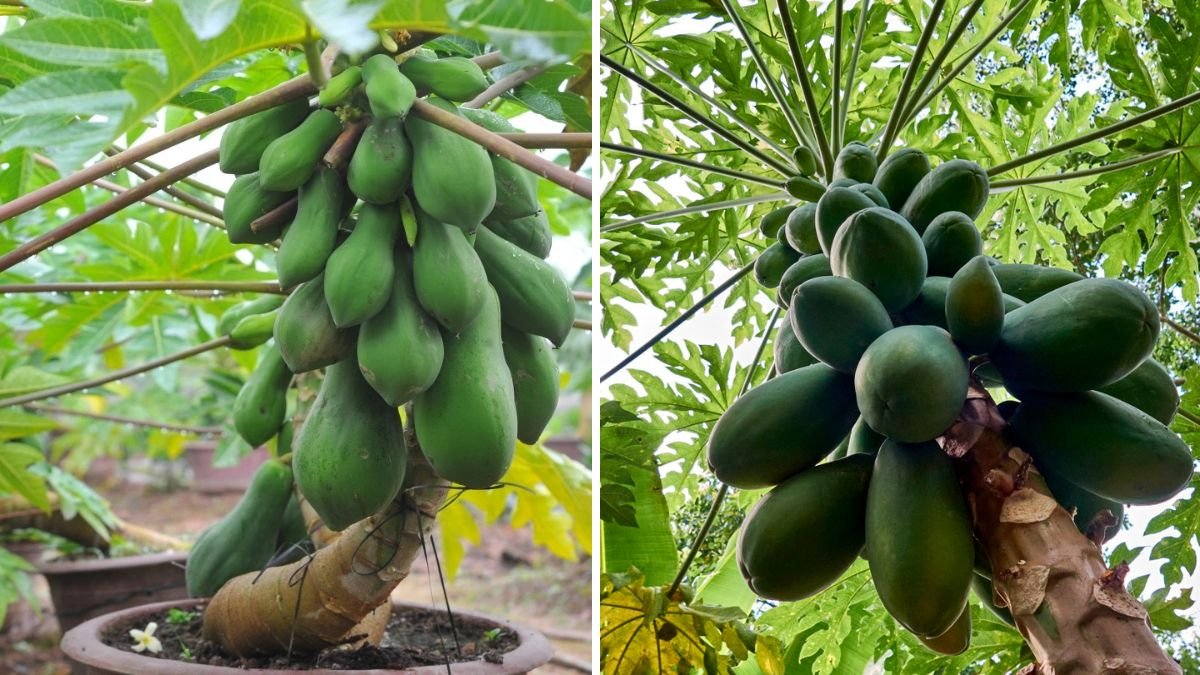
Gardening enthusiasts and tropical fruit growers are always looking for innovative ways to maximize space and productivity in their gardens. One of the most intriguing techniques gaining attention is grafting a papaya tree with a banana tree. While it may sound unusual, this method opens up new possibilities for creative gardening and experimental horticulture.
Grafting is a horticultural practice that joins two plants to grow as one. Typically, grafting is done within the same species or closely related species to ensure compatibility. In this case, grafting a papaya (Carica papaya) with a banana (Musa spp.) involves innovative approaches that combine the structural support and rapid growth of bananas with the fruiting potential of papayas.
In this article, we’ll explore how to graft papaya with banana, the benefits of this method, and tips to ensure success.
1. Understanding Papaya and Banana Trees
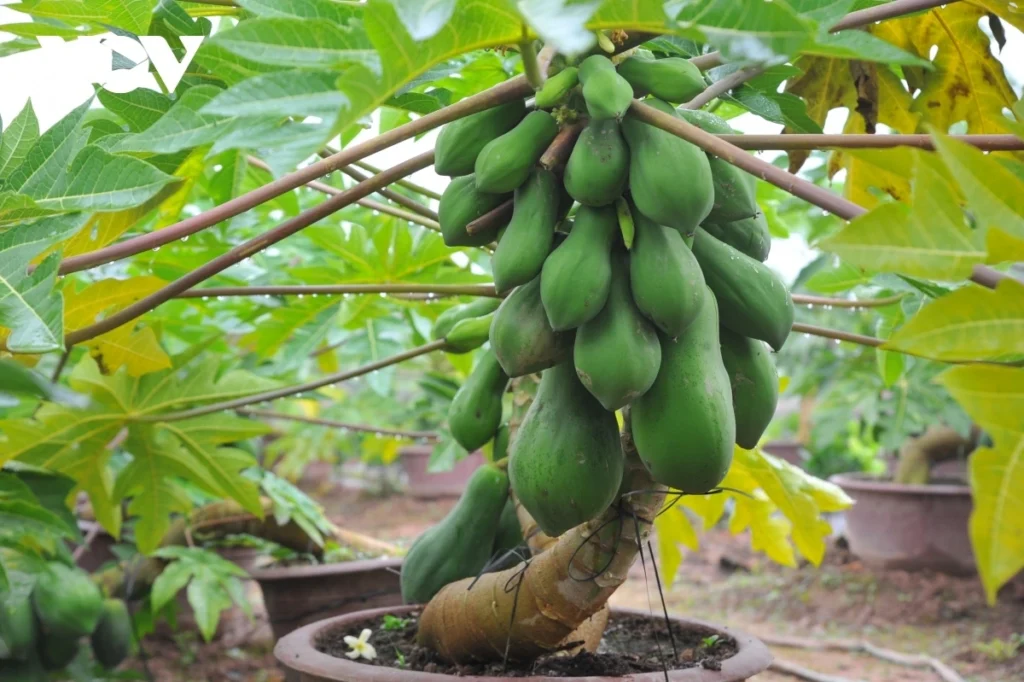
Before attempting grafting, it’s essential to understand the growth habits and requirements of both plants:
Papaya Tree:
- Fast-growing tropical plant.
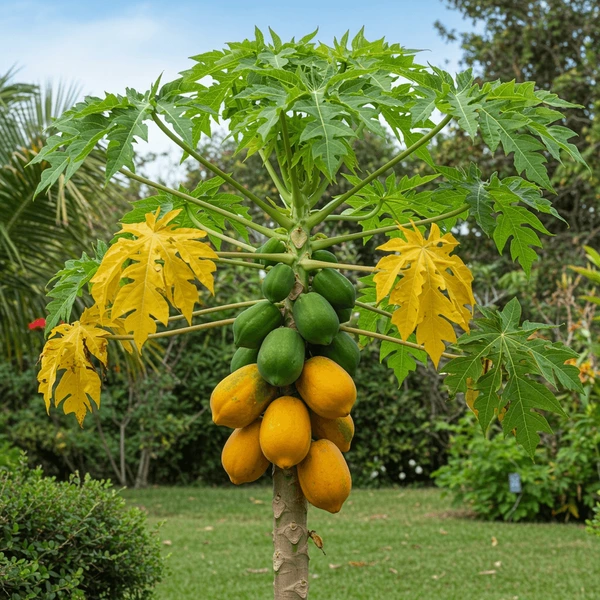
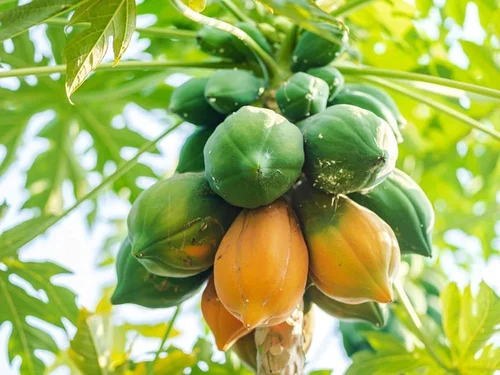
- Produces sweet, orange flesh fruit rich in vitamins A and C.
- Sensitive to wind and prefers well-drained soil.
- Typically grows 5–10 feet tall, with a single main stem.
Banana Tree:
- Herbaceous perennial that grows from rhizomes.
- Produces clusters of bananas and has strong pseudo-stems.
- Fast-growing and provides natural support.
- Thrives in fertile, well-drained soil with high moisture content.
Both plants prefer tropical climates with full sunlight, regular watering, and fertile soil. This makes them compatible in terms of environmental requirements, which is crucial for successful grafting.
2. Why Graft Papaya with Banana?
Grafting papaya onto banana stems is not commonly practiced commercially but can provide several benefits for gardeners and plant enthusiasts:
- Support and Stability: Banana pseudo-stems are sturdy and can provide support for papaya plants, which are otherwise prone to toppling due to wind.
- Space Efficiency: In small gardens, combining the growth of two plants into one structure can save space.
- Experimental Yield: This method allows gardeners to experiment with unique planting techniques and observe interesting growth patterns.
- Aesthetic Appeal: A grafted plant can create a unique tropical garden centerpiece, combining different foliage and fruits in one plant.
3. Preparing for Grafting
Step 1: Select Healthy Plants
- Choose a mature banana plant with a strong pseudo-stem and a healthy papaya scion (a branch from a papaya tree that is disease-free and vigorous).
- Ensure both plants are free from pests and diseases.
Step 2: Gather Materials
- Sharp, sterilized knife or grafting blade
- Grafting tape or parafilm
- Rooting hormone (optional for papaya scion)
- Clean water and mulch
Step 3: Choose the Grafting Site
- The ideal grafting site on the banana is just above the rhizome where the pseudo-stem is sturdy.
- For the papaya scion, select a branch with 2–3 nodes and healthy leaves.
4. Step-by-Step Grafting Process
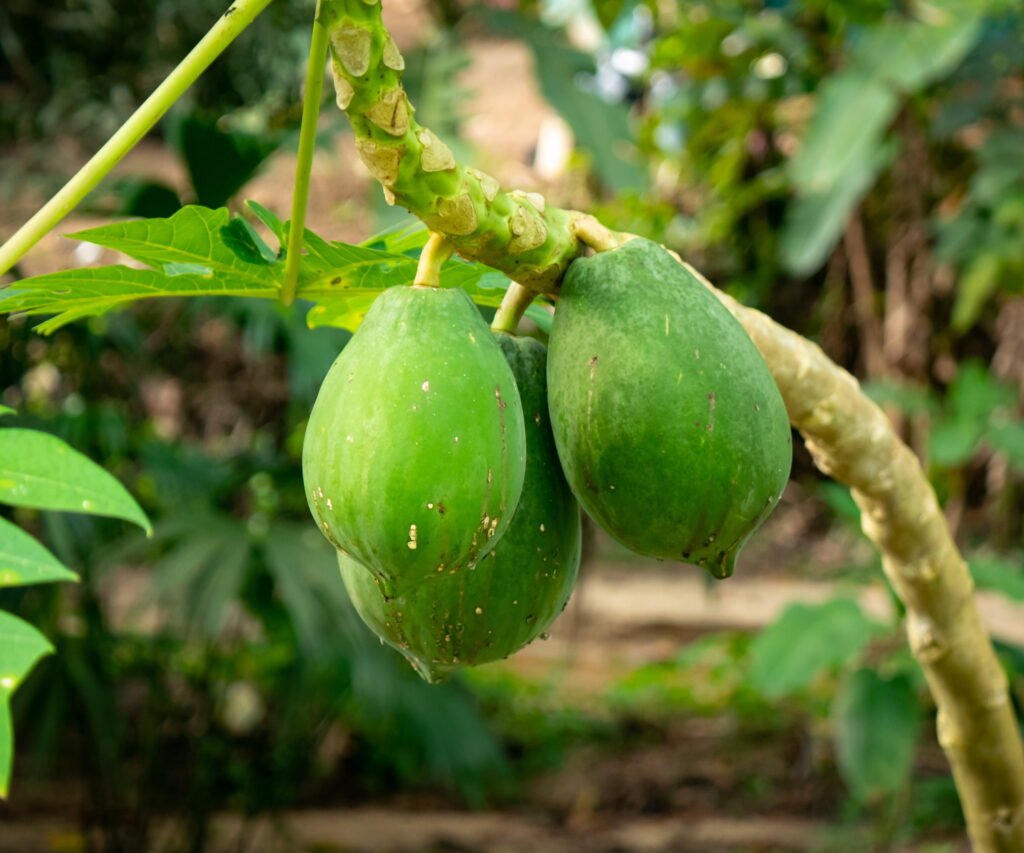
Step 1: Prepare the Banana Stem
- Cut a horizontal slit or notch on the banana pseudo-stem, approximately 2–3 cm long.
- Ensure the cut is clean to minimize damage and facilitate better contact with the papaya scion.
Step 2: Prepare the Papaya Scion
- Trim the papaya scion to match the banana stem cut.
- Remove leaves from the lower half to reduce water loss.
- Optionally, dip the cut end in rooting hormone to encourage faster establishment.
Step 3: Join the Scion and Stem
- Insert the papaya scion into the cut on the banana pseudo-stem carefully, ensuring tight contact.
- Align the vascular tissues as much as possible to facilitate nutrient transfer.
Step 4: Secure the Graft
- Wrap the graft union tightly with grafting tape or parafilm.
- Cover with a plastic sheet if necessary to maintain humidity and protect from wind.
Step 5: Post-Grafting Care
- Place the grafted plant in a shaded area for 1–2 weeks.
- Water consistently but avoid waterlogging.
- Monitor the graft for signs of growth, such as leaf sprouting or swelling at the union.
5. Caring for a Grafted Papaya-Banana Plant
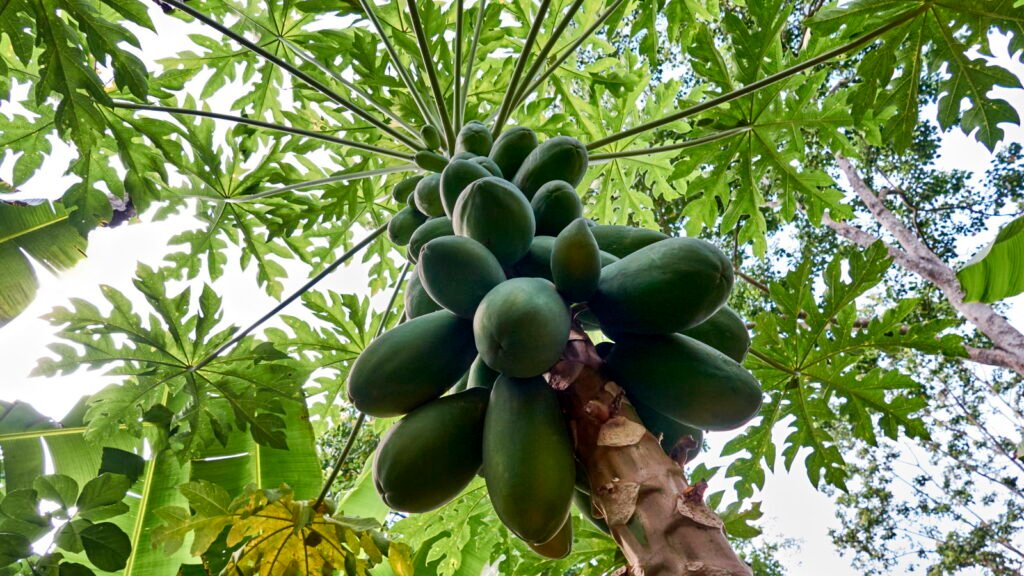
Watering:
- Keep the soil moist but well-drained, as both plants dislike waterlogged conditions.
Fertilization:
- Apply balanced organic fertilizer or compost every 4–6 weeks to support rapid growth.
Sunlight:
- Ensure the grafted plant receives at least 6–8 hours of sunlight daily.
Pest and Disease Management:
- Check regularly for aphids, mealybugs, and fungal infections. Use organic pesticides if needed.
Support:
- Although the banana provides natural support, additional stakes can help protect the grafted papaya scion during early growth.
6. Expected Growth and Yield
- Papaya scions grafted onto banana stems may take slightly longer to produce fruit compared to traditional planting.
- The banana stem provides structural support, reducing the risk of the papaya toppling during strong winds.
- Both plants can thrive together in a tropical garden setting, creating a unique visual and practical garden feature.
7. Tips for Success
- Choose Compatible Varieties: While grafting between different species is experimental, healthier, fast-growing banana stems increase the success rate.
- Monitor Humidity: High humidity favors papaya scion survival.
- Prune Regularly: Remove any unwanted shoots to encourage the main grafted scion to grow.
- Use Fresh Materials: Always use fresh and healthy scions and banana stems to improve the chances of grafting success.
- Patience: Experimental grafts may take longer to establish; be patient and consistent with care.
8. Conclusion
Grafting a papaya tree with a banana tree is an innovative gardening experiment that combines the strengths of both plants. While it is unconventional, this technique offers opportunities for creative garden design, improved plant support, and space-saving solutions for small gardens.
By selecting healthy plants, following careful grafting procedures, and providing consistent care, gardeners can successfully grow unique, functional, and aesthetically pleasing plants. This method not only encourages experimentation in tropical gardening but also opens the door to discovering new horticultural possibilities.
Whether you are an adventurous gardener or a horticulture enthusiast, grafting papaya with banana is a fun and educational way to explore plant propagation and creative planting strategies. With patience and attention to detail, you can cultivate a thriving grafted plant that brings both novelty and productivity to your garden.