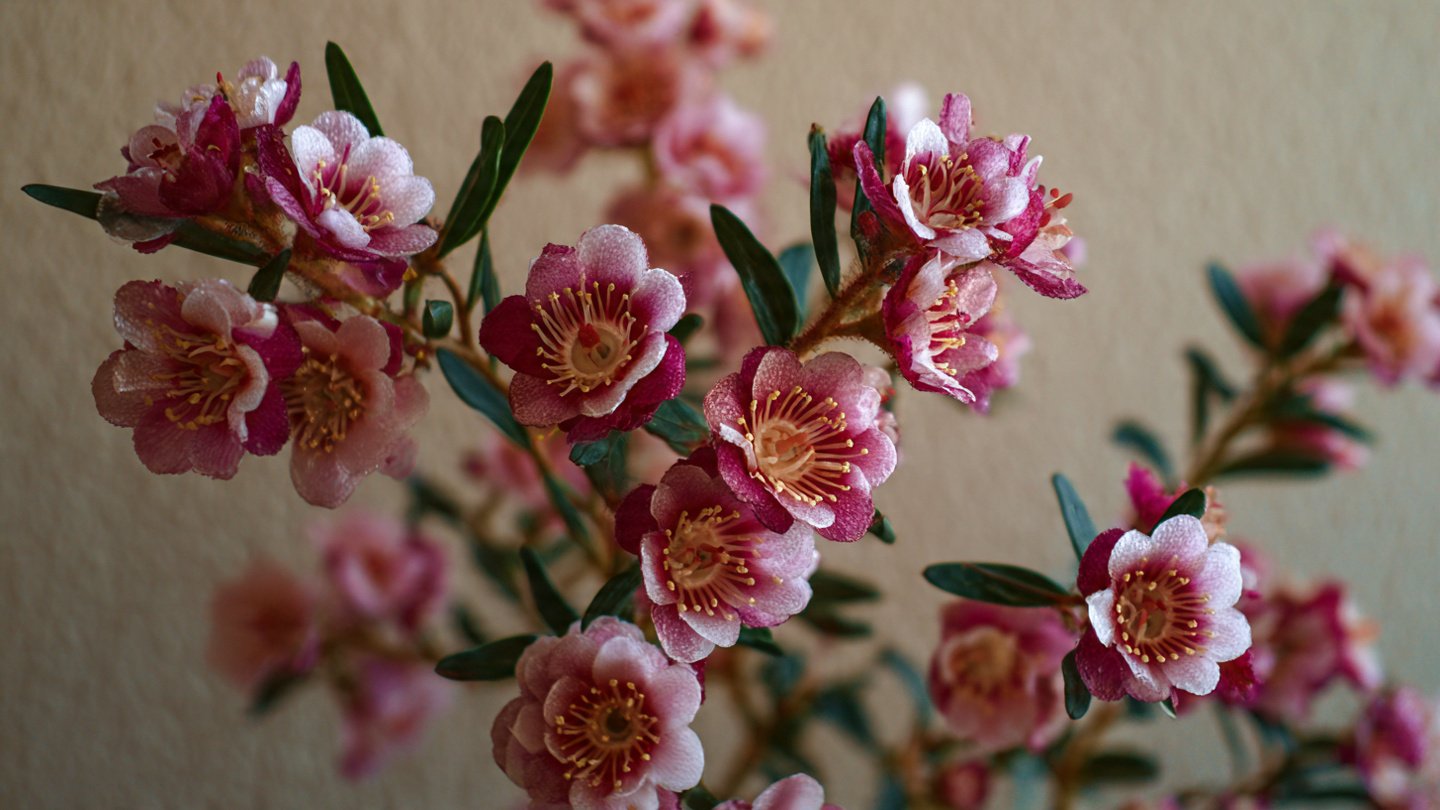
Introduction to Wax Flower
The Wax Flower, scientifically known as Chamelaucium uncinatum, is a stunning perennial that belongs to the myrtle family. Native to Australia, it is praised for its beautiful, fragrant blooms that can last for weeks, making it a favorite choice for indoor gardeners. While traditionally grown outdoors, indoor cultivation of Wax Flower can yield spectacular results when you understand its unique needs.
Benefits of Growing Wax Flower Indoors
- Aesthetic Appeal: Wax Flowers produce delightful clusters of fragrant, waxy blooms that can brighten any indoor space.
- Longevity: The flowers are long-lasting and make an excellent addition to floral arrangements.
- Low Maintenance: Once established, Wax Flowers require minimal care.
- Air Purification: Like many houseplants, Wax Flowers help improve indoor air quality by filtering toxins.
Understanding Wax Flower’s Growing Conditions
1. Light Requirements
Wax Flowers thrive in bright, indirect sunlight. A south-facing window is ideal, but be cautious of direct sunlight, which can scorch the leaves. If natural light is limited, consider supplementing with grow lights to ensure your plant receives 12-14 hours of light per day during the growing season.
2. Soil Composition
Preferring well-draining soil, Wax Flowers do best in a mix that includes:
- Cactus Mix: A commercial cactus potting soil provides excellent drainage.
- Sand and Perlite: These materials improve aeration and prevent root rot.
Aim for a pH level between 6.0 and 6.5 for optimal growth.
3. Watering Needs
Wax Flowers are drought-tolerant but can suffer under extreme dryness. Follow these guidelines for effective watering:
- Frequency: Water when the top inch of soil feels dry. During the active growing season (spring and summer), this may be once a week, while in winter, it can be reduced to every two weeks.
- Method: Water thoroughly, allowing excess water to drain out of the pot’s bottom.
4. Temperature and Humidity
Ideal growing conditions for Wax Flowers include:
- Temperature: They prefer temperatures between 65°F and 75°F (18°C – 24°C). They can tolerate higher temperatures but should not be exposed to frost.
- Humidity: Average home humidity levels are sufficient, but if the air is particularly dry, consider misting the leaves occasionally.
Best Practices for Growing Wax Flower
1. Choosing the Right Pot
Select a pot that allows for drainage. Terracotta pots are an excellent choice, as they absorb excess moisture. Ensure that the pot has drainage holes at the bottom to prevent root rot.
2. Fertilization
Feed your Wax Flower with a balanced, water-soluble fertilizer once a month during the growing season. Look for a fertilizer that is low in nitrogen but high in phosphorus and potassium to encourage blooming.
3. Pruning and Deadheading
Pruning is crucial for promoting new growth and maintaining the shape of the plant. After blooming, prune back spent flowers and any leggy growth to encourage fuller foliage.
Deadheading, the removal of spent blooms, can increase the chances of more flowers developing.
4. Pests and Diseases
While Wax Flowers are relatively pest-resistant, they can occasionally attract:
- Spider Mites: These tiny pests can cause yellowing leaves. Regularly check for webs and rinse the plants with water to deter them.
- Mealybugs: Look for cotton-like tufts on leaves and stems. Use insecticidal soap or neem oil as a treatment.
Encouraging Maximum Bloom
1. Seasonal Adjustments
Wax Flowers have a specific blooming period, usually in spring and summer. As the seasons change, adapt your care:
- Resting Phase: In fall and winter, reduce watering and stop fertilizing to allow the plant to rest.
- Increase Light Exposure: As days lengthen in spring, gradually increase light exposure to stimulate blooming.
2. Temperature Fluctuations
A slight decrease in temperature at night can simulate natural blooming conditions. Try to keep the indoor temperature cooler at night, ideally around 50°F to 60°F (10°C – 15°C).
3. Pollination
If you’re aiming for seed production after blooming, gently shake the plant or use a soft brush to transfer pollen between flowers.
Common Issues and Solutions
- Leaf Drop: This could indicate overwatering or inadequate light. Adjust your care accordingly.
- Poor Blooming: Insufficient light or nutrients can hinder flower production. Check your lighting conditions and feeding regimen.
- Yellowing Leaves: This may signal overwatering or nutrient deficiencies. Adjust your watering schedule and consider fertilizing.
Transitioning to Outdoors
If you wish to transition your Wax Flower outdoors during warmer months, follow these steps:
- Gradual Acclimatization: Start by placing the plant in a shaded area, gradually introducing it to more sunlight over a week.
- Soil Requirements: Ensure outdoor soil is well-draining, similar to your indoor mix.
FAQs
Q1: How long does it take for Wax Flower to bloom?
A1: Wax Flowers typically bloom about 1-2 years after planting, depending on growing conditions and care.
Q2: Can Wax Flowers grow in low light?
A2: They can tolerate low light but will likely not bloom as profusely. Bright, indirect light is ideal.
Q3: Is Wax Flower toxic to pets?
A3: No, Wax Flowers are non-toxic to both cats and dogs, making them a safe choice for pet owners.
Q4: How often should I repot Wax Flower?
A4: Repot every 2-3 years or when the plant outgrows its pot. Early spring is the best time for repotting.
Q5: What should I do if my Wax Flower isn’t blooming?
A5: Ensure it’s getting enough light, nutrients, and correct watering. Adjust care as needed, focusing on bright light and proper soil moisture.
Conclusion
Growing Wax Flower indoors can be a rewarding experience that infuses your space with beauty and fragrance. By understanding the plant’s needs and adjusting your care throughout the year, you can maximize blooms and create a thriving indoor garden. Enjoy the process, and watch your Wax Flower flourish!