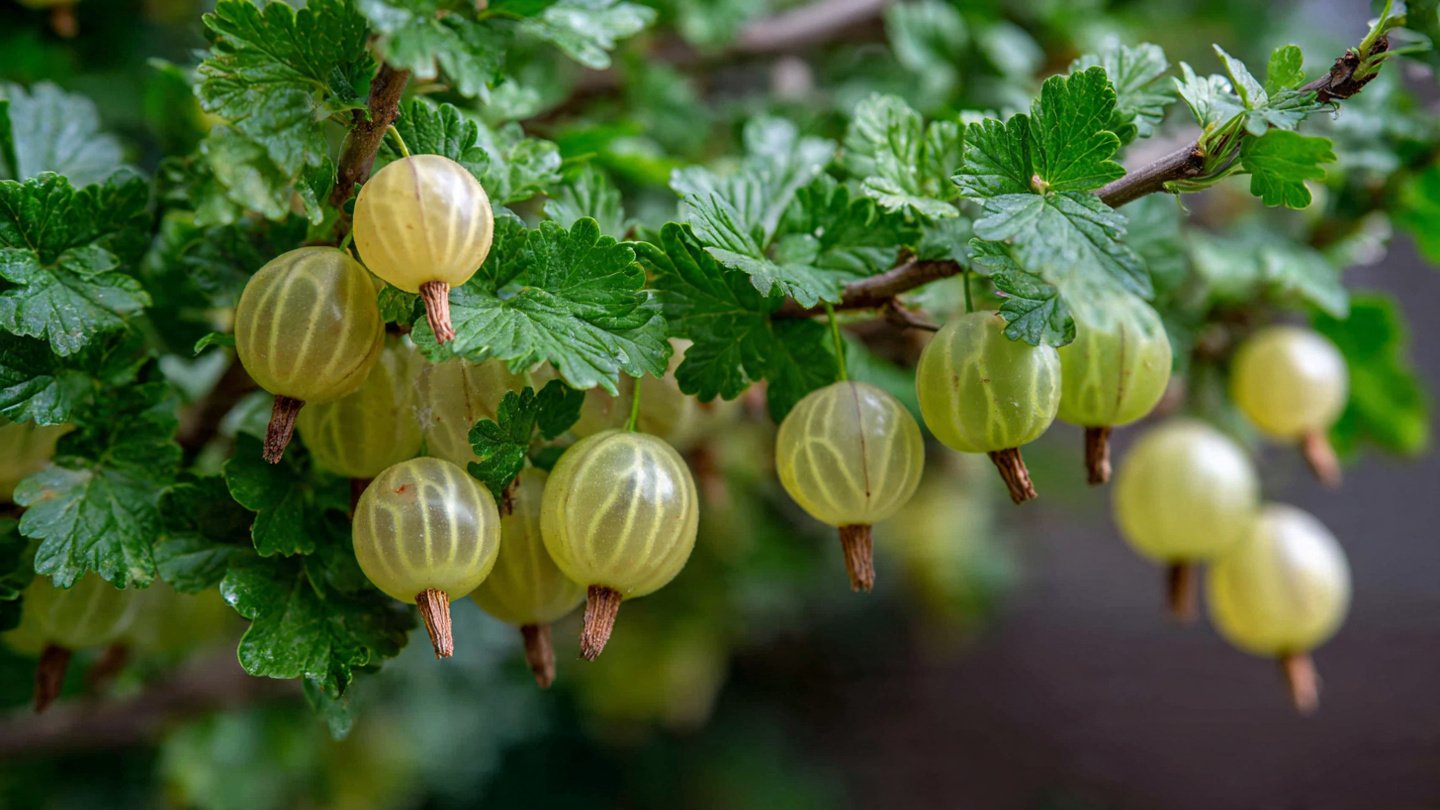
Gooseberries are a delightful addition to any backyard garden, producing sweet and tangy fruits that can be enjoyed fresh or used in a variety of recipes. This ultimate guide will walk you through everything you need to know to successfully cultivate gooseberry bushes, ensuring a bountiful harvest season after season.
Understanding Gooseberries
Gooseberries (Ribes uva-crispa) are deciduous shrubs that belong to the currant family. They are native to Europe, but many varieties have adapted well to North American climates as well. The berries come in various colors, including green, yellow, red, and purple, and are known for their tartness, which can range from mildly sweet to sharp.
Benefits of Growing Gooseberries
-
Nutritional Value: Gooseberries are packed with vitamins A, C, and potassium, making them a healthful addition to your diet.
-
Versatility: These fruits can be used in jams, jellies, pies, sauces, and even savory dishes.
-
Low Maintenance: Once established, gooseberry bushes are relatively low-maintenance and can adapt to various soil conditions.
-
Attractive Foliage: The bushes produce lovely green leaves and can serve as attractive ornamental plants.
-
Pollinator Friendly: Gooseberry bushes provide nectar for bees, contributing to the overall health of your garden ecosystem.
Choosing the Right Varieties
When selecting a gooseberry variety, consider your climate, purpose for growing, and personal taste preferences. Here are some popular options:
1. Invicta: Known for its disease resistance and high yield, Invicta produces large green fruits that are perfect for jams.
2. Hinnomaki Red: This variety has a sweet flavor and produces red berries. It’s great for eating fresh.
3. Captivator: A semi-erect plant that produces medium-sized berries, perfect for pies and desserts.
4. Green Gage: This variety offers large, sweet green berries and is particularly great for fresh eating.
Goals Before Planting
Before you start planting, consider these goals to ensure that your gooseberry bushes thrive:
-
Assess Your Space: Gooseberry bushes can grow up to 5 feet tall and wide, so ensure you have adequate space for them to flourish without crowding.
-
Choose the Right Location: They prefer full sun to partial shade. However, areas with morning sunlight and afternoon shade are ideal to prevent sunburns on the fruits.
-
Soil Quality: Gooseberries thrive in well-drained, loamy soil rich in organic matter. Conduct a soil test to ensure an optimal pH level of about 6.0 to 6.8.
Preparing the Site
Soil Preparation
-
Clear the Area: Remove any weeds, grass, or debris.
-
Test Soil: Consider using a soil test kit to evaluate pH and nutrient levels.
-
Amend the Soil: If your soil is too acidic, add lime. Use compost or well-rotted manure to enrich your soil.
Planting Distance
When planting multiple bushes, space them about 3 to 4 feet apart to ensure proper air circulation and growth.
Planting Your Gooseberry Bushes
Best Time to Plant
The best time to plant gooseberries is either in early spring or late fall when the bush is dormant. This helps minimize shock and ensures better establishment.
Steps for Planting
-
Dig a Hole: Create a planting hole about twice the width and depth of the root ball.
-
Place the Plant: Set the plant in the center of the hole, ensuring that the top of the root ball is level with the soil surface.
-
Backfill and Water: Fill in around the roots with soil and water thoroughly to remove air pockets.
-
Mulching: Apply a layer of mulch to retain moisture and suppress weeds.
Caring for Your Gooseberry Bushes
Watering
Gooseberries prefer consistently moist soil, especially during dry spells. Water deeply once a week, allowing the soil to dry slightly between waterings.
Fertilization
-
Early Spring: Apply a balanced fertilizer or aged compost in early spring.
-
Mid-Season: A second application mid-summer can help support fruit development.
Pruning
Regular pruning is crucial for maintaining the health and productivity of your bushes.
-
When to Prune: Late winter or early spring, before new growth begins, is the best time to prune.
-
How to Prune:
- Remove dead, damaged, or crossing branches.
- Thin out overcrowded areas to improve air circulation.
- Aim to maintain an open center for light penetration.
Pest and Disease Management
Common Pests
-
Gooseberry Sawfly: Watch for caterpillars that may defoliate leaves. Handpicking and applying insecticidal soap can help manage them.
-
Spider Mites: These tiny creatures can be managed with regular watering and by encouraging natural predators like ladybugs.
Common Diseases
-
Powdery Mildew: This fungal disease can be prevented through good air circulation and proper pruning techniques.
-
Anthracnose: A fungal disease that may affect the fruits. Ensuring the plant is healthy and pruning can help mitigate risks.
Harvesting Gooseberries
When to Harvest
The timing of the harvest is crucial. Gooseberries generally ripen in late summer to early fall.
-
Color Indicator: Check the color of the berries; they should be rich and full.
-
Taste Test: Taste a few; they should have the desired balance of sweetness and tartness.
How to Harvest
-
Use sharp scissors or garden shears to cut the fruit from the stem.
-
Wear gloves to protect your hands from thorny stems.
Enjoying Your Gooseberries
Once harvested, you can enjoy gooseberries in many forms:
- Fresh: Dip in sugar for a sweet treat.
- Jam or Jelly: Cook down with sugar for delicious spreads.
- Desserts: Use in pies, crumbles, or cakes.
- Savory Dishes: Incorporate into sauces or dressings for a zing.
FAQs
1. How long does it take for gooseberry bushes to produce fruit?
Typically, you can expect your gooseberry bushes to start bearing fruit in about 2 to 3 years after planting.
2. Can I grow gooseberries in containers?
Yes! Gooseberries can grow well in containers. Choose a large pot (at least 5 gallons) and ensure proper drainage.
3. How do I protect my gooseberries from birds?
Birds love ripe gooseberries. You can use bird netting or hang shiny objects like aluminum foil strips or old CDs to deter them.
4. What are the best companion plants for gooseberries?
Companion plants like garlic and chives can help repel pests. Herbs such as thyme and oregano can enhance the biodiversity of your garden.
5. Can I prune my gooseberry bushes in the summer?
Summer pruning is generally discouraged, as it can promote disease. Focus on late winter or spring for best results.
6. Are gooseberries easy to grow?
Yes, with the right care and conditions, gooseberries are relatively easy to grow and can yield a rewarding harvest.
7. How often should I fertilize my gooseberries?
Fertilize once in early spring and then again mid-summer for optimal results.
Conclusion
Growing gooseberry bushes can be a rewarding experience, providing you with delicious fruits year after year. By following the tips outlined in this guide, you’ll be well on your way to cultivating healthy plants and reaping bountiful harvests. Enjoy the journey, and savor the fruits of your labor!