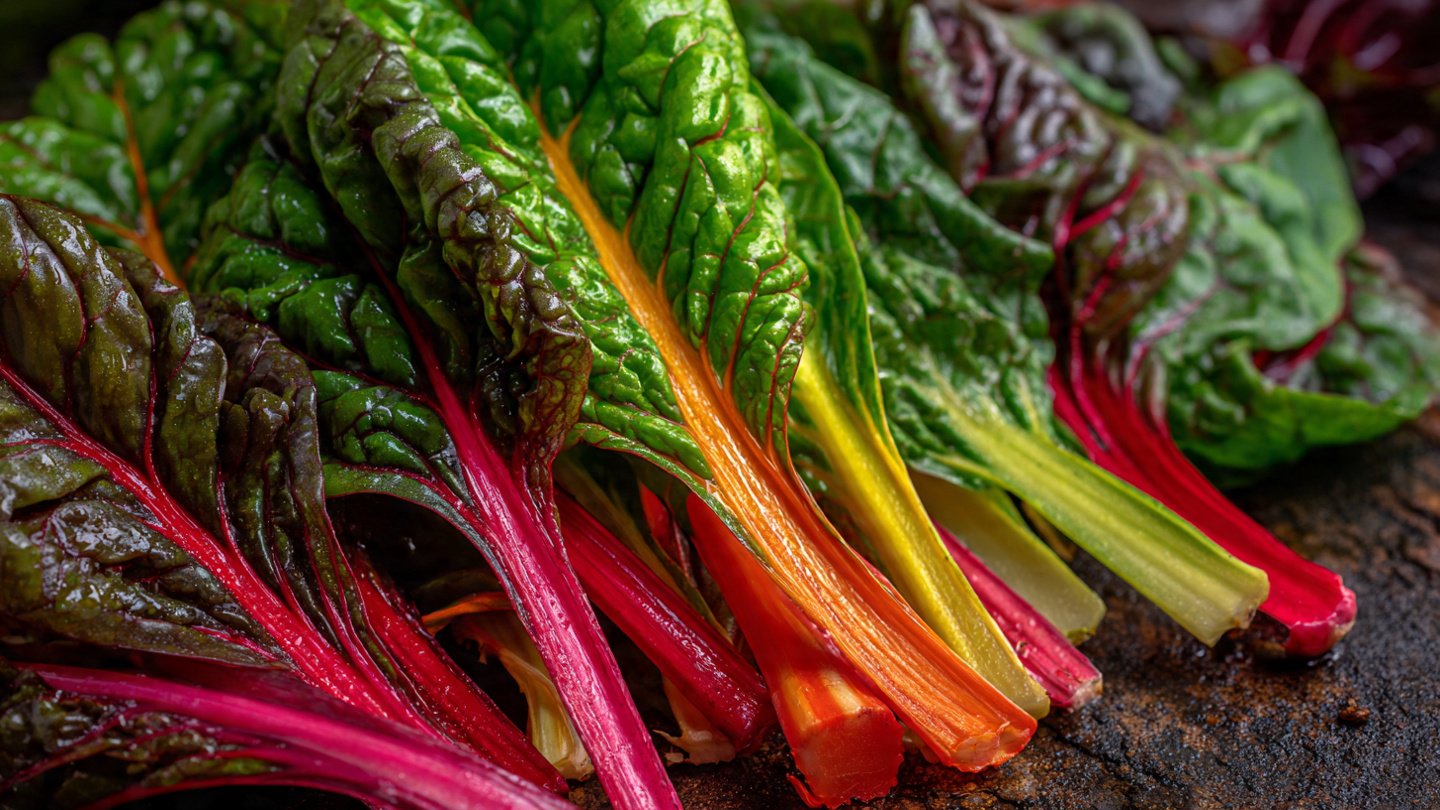
Chard, also known as Swiss chard, is a versatile leafy green vegetable that not only adds vibrancy to your meals but is also packed with vital nutrients. Rich in vitamins A, C, E, and K, as well as minerals like magnesium and potassium, chard is a superfood that can enhance your health. One of the best features of chard is its ability to thrive year-round in many climates, making it an excellent choice for home gardeners looking to maintain a steady supply of fresh greens. This guide will provide you with comprehensive information on how to cultivate chard effectively, whether you’re a seasoned gardener or a beginner.
Understanding Chard
Chard belongs to the Chenopodiaceae family and is closely related to beets and spinach. Its bright green leaves are often accompanied by vibrant stems, which can be red, white, or yellow, depending on the variety. Chard enjoys cooler temperatures but is remarkably tolerant of heat, making it suitable for various climates.
Benefits of Growing Chard
-
Nutritional Value: Chard is loaded with vitamins and minerals, making it a fantastic addition to any diet.
-
Cold Hardy: It can withstand light frost, allowing for extended growing seasons.
-
High Yield: Once established, chard can provide a continuous harvest.
-
Versatile in Cooking: Use chard in salads, stir-fries, smoothies, soups, and more.
-
Pest and Disease Resistance: Chard is relatively resistant to pests, making it easier to grow organically.
Selecting the Right Varieties
When choosing chard varieties to grow, consider:
-
Standard Swiss Chard: Characterized by its broad, green leaves and thick stems, suitable for garden beds.
-
Rainbow Chard: Known for its vibrant, multicolored stems, this variety adds aesthetic appeal and is equally nutritious.
-
Fordhook Giant: A classic variety with large, tender leaves that’s ideal for cooking.
Preparing the Soil
Soil Requirements
Chard thrives in well-draining soil that is rich in organic matter. To achieve this:
-
Test the Soil: Use a soil test kit to determine pH and nutrient levels. Chard prefers slightly acidic to neutral soil (pH 6.0 to 7.0).
-
Amend the Soil: Based on your soil test results, amend the soil with compost, well-rotted manure, or organic fertilizers. This will improve soil fertility and moisture retention.
-
Tilling: Loosen the soil to a depth of about 12 inches to facilitate root growth. Remove rocks and debris to create a suitable growing environment.
Setting the Planting Schedule
Chard can be planted in spring or autumn but can also be grown year-round in mild climates. Here’s a basic schedule:
-
Spring Planting: Start seeds indoors 6-8 weeks before the last frost date or sow seeds directly outdoors after the last frost.
-
Autumn Planting: Sow seeds directly outdoors about 4-6 weeks before the first expected frost.
Planting Chard
Seed Sowing
-
Direct Sowing: Once the soil is prepared, sow seeds 1 inch deep and 3 inches apart, in rows spaced about 12-18 inches apart.
-
Indoor Sowing: For earlier harvests, start seeds indoors in seed trays or small pots. Transplant outdoors when seedlings develop two to three true leaves.
Transplanting
If transplanting seedlings:
-
Harden Off: Gradually acclimate seedlings to outdoor conditions by placing them outside for a few hours daily over a week.
-
Transplanting Method: Dig holes larger than the root balls of the seedlings. Space them 12-18 inches apart to allow for growth.
Maintaining Your Chard
Watering
Chard requires consistent moisture, especially during dry spells. Water deeply once or twice a week, depending on rainfall and temperature.
- Ensure the soil remains moist but not soggy, as overly wet conditions can lead to root rot.
Fertilizing
To promote healthy growth:
-
Initial Fertilization: Incorporate compost or a balanced fertilizer upon planting.
-
Ongoing Care: Fertilize every 4-6 weeks throughout the growing season with a nitrogen-rich fertilizer to encourage leafy growth.
Weed Control
Regularly check for weeds, which can compete with chard for nutrients and water. Hand-pulling works well, or you can use mulching techniques to suppress weed growth while retaining soil moisture.
Pest Management
While chard is relatively pest-resistant, keep an eye out for:
-
Aphids: Sooty mold and curled leaves may indicate an aphid infestation. Use insecticidal soap or neem oil for treatment.
-
Leaf Miners: Look for winding trails in leaves. Remove affected leaves and maintain good air circulation.
-
Snails and Slugs: Utilize diatomaceous earth or traps to deter these pests.
Harvesting Chard
Chard is ready for harvest about 6-8 weeks after sowing, depending on the variety and growing conditions. Here’s how to achieve the best harvest:
-
Cutting Leaves: Use sharp scissors to cut the outer leaves 1-2 inches from the base. This encourages new growth.
-
Timing: Harvest leaves in the morning, as they are crisp and filled with moisture.
-
Frequency: Regularly harvesting will promote more growth, allowing you to enjoy an endless supply of fresh greens.
-
Storage: Store harvested chard in a plastic bag or container in the refrigerator’s crisper drawer. Use it within a week for the best flavor and nutrients.
Year-Round Growing Methods
Containers
Chard can be successfully grown in containers, allowing flexibility in placement and easier management of the growing environment.
-
Choose the Right Container: Select containers with a depth of at least 12 inches, which will accommodate chard’s root system.
-
Spacing: Plant seedlings or seeds according to the above-mentioned spacing guidelines.
Hydroponics
Growing chard hydroponically allows for year-round production with precise control over nutrition and environmental conditions.
- Nutrient Solutions: Use a nutrient-rich solution and provide adequate lighting if growing indoors.
Indoor Gardening
For areas with extreme climates, consider growing chard indoors:
-
Light Requirements: Ensure adequate lighting with grow lamps if natural sunlight is insufficient.
-
Temperature Control: Maintain temperatures between 60°F and 75°F for optimal growth.
FAQs
1. How long does chard take to grow?
Chard typically takes about 6-8 weeks from seed to harvest, depending on the variety and growing conditions.
2. Can I grow chard in the shade?
Chard prefers full sun but can tolerate partial shade. However, growth may slow down in less than full sunlight.
3. How often should I water chard?
Chard requires consistent moisture. Water deeply once or twice a week, adjusting based on rainfall and temperature conditions.
4. Can chard survive winter?
Chard is frost-hardy and can survive winter in mild climates. In colder areas, it can be grown in a greenhouse or with protective covers.
5. Do I need to fertilize chard constantly?
Initial fertilization at planting is essential, with ongoing nutrition every 4-6 weeks to promote robust growth.
6. Can I freeze chard?
Yes! Blanch chard briefly in boiling water, cool it quickly in ice water, and then freeze in airtight containers for later use.
Conclusion
With its vibrant colors, nutrient-rich profile, and versatility in the kitchen, chard is an excellent crop for home gardeners. By following these guidelines for cultivation, maintenance, and harvesting, you can enjoy a continuous supply of fresh chard year-round. Equipped with the right knowledge and care, your garden can produce an abundance of this leafy green, contributing to a healthy lifestyle for you and your family. Happy gardening!