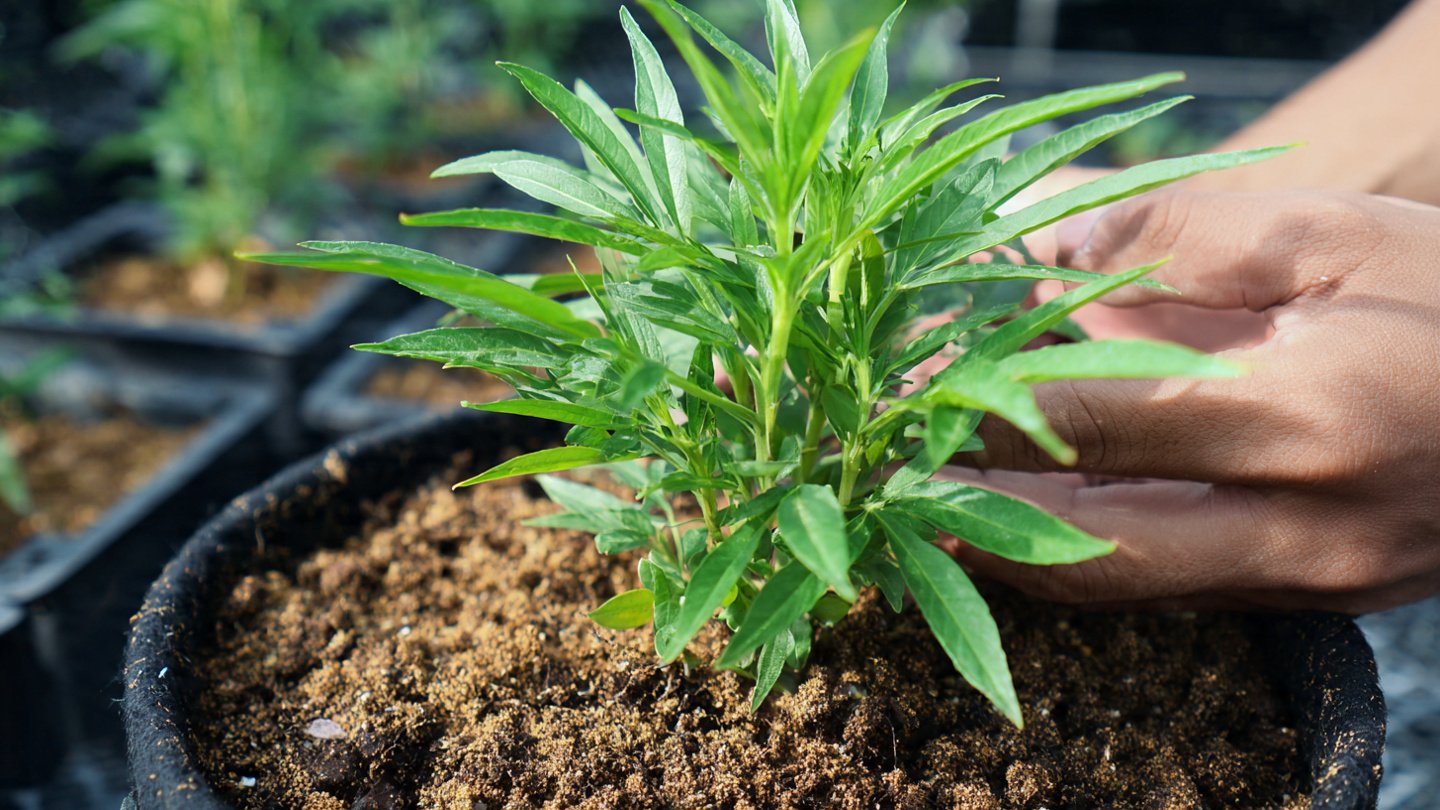
The Sadabahar, scientifically known as Catharanthus roseus, is a perennial plant native to Madagascar but widely cultivated in tropical and subtropical regions around the world. Known for its vibrant flowers and medicinal properties, the Sadabahar is becoming increasingly popular among gardeners and horticulturists. One effective method for propagating this attractive plant is through the use of the sadabahar cutting technique. This article explores the intricacies of the cutting technique, offering insights into successful rooting and propagation.
What is the Sadabahar Cutting Technique?
The Sadabahar cutting technique involves taking stem cuttings from the parent plant and encouraging them to develop into new plants. This method is attractive for gardeners due to its simplicity and efficiency. Cuttings are taken from healthy, mature plants and require specific conditions to thrive.
Types of Cuttings
Before delving into the rooting process, it’s essential to recognize the types of cuttings you can take from the Sadabahar plant. Generally, there are three main types:
-
Stem Cuttings: The most common method, stem cuttings can be taken from healthy shoots. These are typically 4 to 6 inches long and should include a few leaves.
-
Leaf Cuttings: Although less common for Sadabahar, you can use leaf cuttings if the goal is to produce roots.
-
Root Cuttings: In some cases, root cuttings can also be used. However, this method requires more advanced gardening skills.
This article will primarily focus on stem cuttings, as this is the most effective method for propagating Sadabahar.
Step-by-Step Guide to Sadabahar Cutting Technique
1. Selecting the Parent Plant
Choose a healthy Sadabahar plant that shows vigorous growth and blooming. Look for a plant free of diseases and pests. The health of your parent plant is crucial, as it directly affects the success rate of your cuttings.
2. Timing for Taking Cuttings
The best time to take cuttings from the Sadabahar plant is during the growing season, usually in spring or early summer. This period ensures that the cuttings have enough moisture and growth potential to sprout roots successfully.
3. Preparing the Cuttings
a. Tools Needed
- Sharp, sterile pruning shears or scissors
- A clean cutting board or surface
- Pots with drainage holes
- Rooting medium (a mix of peat moss, perlite, or vermiculite)
- Water
b. Taking the Cuttings
- Using the sharp pruning shears, select a healthy stem with at least two or three nodes (the swollen areas where leaves attach).
- Cut the stem just below a node at a 45-degree angle. This angle increases the surface area for rooting.
- Remove the leaves from the lower half of the cutting to avoid rotting in the soil.
4. Rooting Hormone
Applying rooting hormone can significantly increase the success rate of rooting. Dip the cut end of the stem into a rooting hormone powder or gel. This helps stimulate root growth and can enhance overall plant health.
5. Planting the Cuttings
Fill pots with a well-draining potting mix and gently moisten the medium. Make a hole in the soil with your finger or a pencil and insert the cutting, ensuring at least one node is buried in the soil. Firm the soil around the cutting to eliminate air pockets.
6. Creating a Controlled Environment
Cuttings require specific environmental conditions to root effectively. Consider the following:
- Humidity: To maintain moisture around the cuttings, you can cover the pots with a clear plastic bag or a plastic dome. Make sure to ventilate the area daily to prevent mold growth.
- Temperature: Ideal temperatures for rooting range from 70°F to 80°F (21°C to 27°C).
- Light: Provide bright, indirect light. Direct sunlight can scorch the cuttings, while too little light may hinder growth.
7. Watering and Maintenance
Keep the soil consistently moist but not waterlogged. Overwatering can lead to root rot, while underwatering can desiccate the cuttings. Monitor the cuttings for signs of wilting or yellowing leaves, which can indicate stress.
8. Ensuring Successful Rooting
After about 2 to 4 weeks, check for root development by gently tugging on the cuttings. If there is resistance, roots have likely formed. At this point, you can gradually acclimate the cuttings to their new environment, a process known as hardening off.
9. Transplanting
Once a robust root system has developed (usually after 4 to 6 weeks), it’s time to transplant the cuttings into larger pots or your garden. For outdoor planting, ensure that the risk of frost has passed. When moving them to the garden, select a spot with well-drained soil and adequate sunlight.
Troubleshooting Rooting Issues
While the Sadabahar cutting technique is generally reliable, you may encounter challenges. Here are some common issues and how to address them:
1. Wilting Cuttings
If your cuttings begin to wilt, it could be due to insufficient moisture or humidity. Ensure your cuttings are adequately watered and consider increasing humidity levels.
2. Mold Growth
Mold can develop in overly humid conditions. To mitigate this, ensure good air circulation and avoid overcrowding cuttings. Removing any moldy or damaged leaves will also help.
3. No Root Formation
If your cuttings fail to root, it may be due to several factors, including:
- Poor quality cuttings: Always select healthy, vigorous stems.
- Improper environmental conditions: Ensure proper light, temperature, and humidity.
- Incorrect planting depth: Make sure nodes are buried for optimum root generation.
Benefits of the Sadabahar Cutting Technique
- Cost-Effective: Propagating plants from cuttings can save money compared to buying new plants.
- Genetic Consistency: The new plants will retain the same characteristics as the parent plant, ensuring flowers of the same color and variety.
- Fast Results: Compared to other propagation methods, cuttings can establish quicker, allowing for quicker growth and blooming.
Conclusion
The Sadabahar cutting technique is a sustainable and efficient way to propagate this beautiful and valuable plant. By following this guide, gardeners can increase their chances of successfully rooting and growing new Sadabahar plants, enriching their landscapes and potentially enjoying the plant’s myriad benefits.
FAQs
1. How long does it take for Sadabahar cuttings to root?
Typically, cuttings will root in about 2 to 4 weeks, but it can take longer depending on environmental conditions.
2. Do I need a rooting hormone for Sadabahar cuttings?
While not strictly necessary, using rooting hormone can enhance the rooting process and improve success rates.
3. Can I propagate Sadabahar in water?
Though not as effective as soil propagation, Sadabahar cuttings can be rooted in water. Ensure to change the water regularly and watch for root development.
4. How do I care for my Sadabahar plants after transplanting?
Once transplanted, ensure adequate watering, sunlight, and occasional fertilization to support growth and blooming.
5. What are common pests or diseases to watch for in Sadabahar plants?
Common pests include aphids and mealybugs. Fungal diseases may arise in overly humid conditions. Regular monitoring and early intervention are key to maintaining plant health.
6. Can Sadabahar be propagated year-round?
While technically feasible, the best results are achieved during the spring and early summer when growth conditions are optimal. Cutting during the dormant winter months may yield lower success rates.
By understanding the Sadabahar cutting technique, you can expand your gardening repertoire and cultivate this beloved plant effectively. Happy gardening!