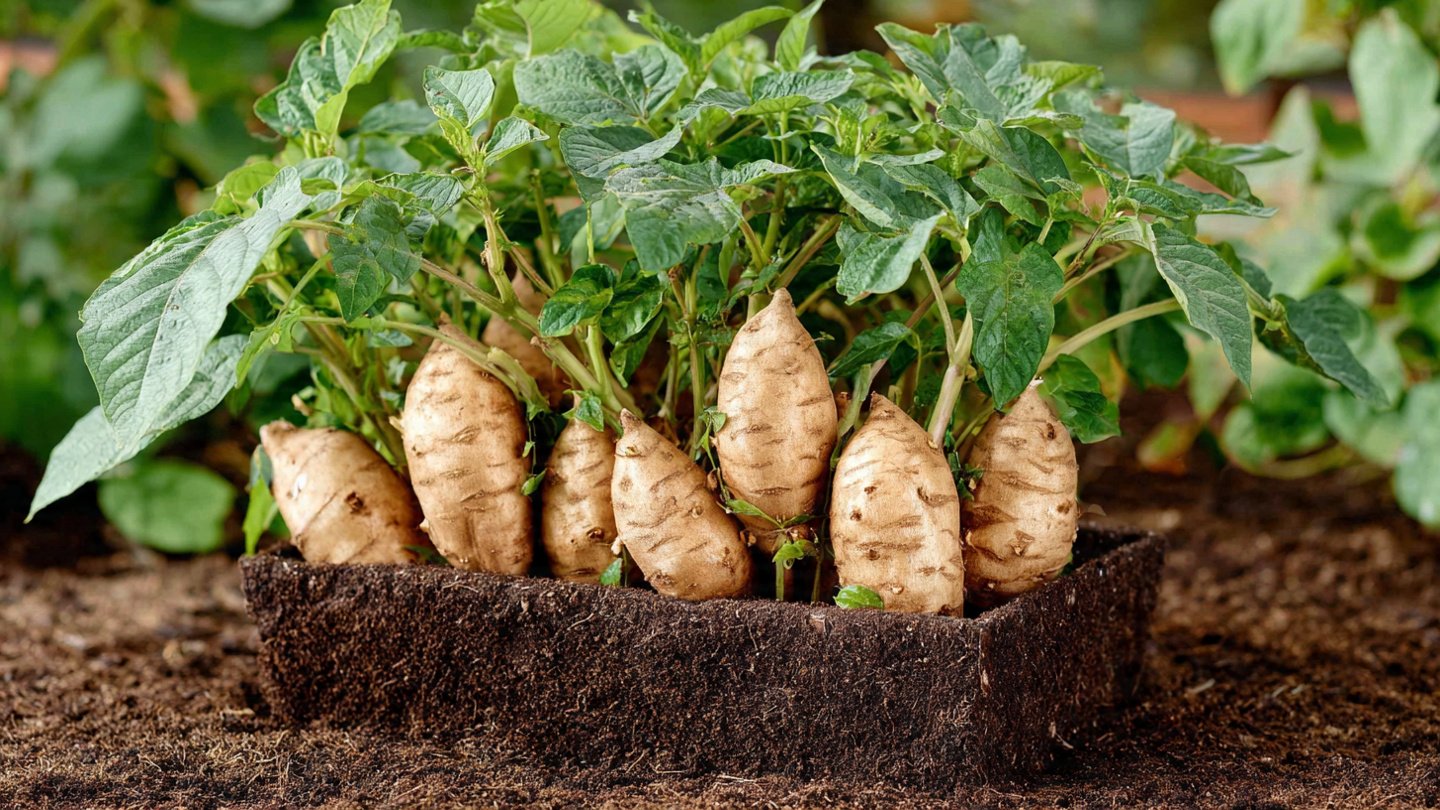
Growing white sweet potatoes in container gardens is an increasingly popular horticultural practice, allowing you to enjoy these nutrient-rich tubers even in limited spaces. Container gardening not only offers versatility but also provides better control over growing conditions, essential for maximizing both yield and flavor. In this guide, we will delve into the best practices for cultivating white sweet potatoes in containers, addressing plant selection, soil quality, watering, sunlight needs, pest control, and harvesting, while also answering some frequently asked questions.
Understanding White Sweet Potatoes
Before diving into cultivation techniques, it’s vital to understand what distinguishes white sweet potatoes from their orange-fleshed counterparts. White sweet potatoes are less sugary, denser, and have a subtly earthy flavor. They’re rich in nutrients like Vitamin C, dietary fiber, and potassium. White sweet potatoes can be used in various culinary applications—mashed, roasted, or baked—which adds versatility to your meals.
Choosing the Right Containers
-
Container Size: Selecting the appropriate container is crucial for the successful growth of sweet potatoes. They require ample space for their tubers to develop. A minimum of 5-10 gallons is ideal, with deeper containers (at least 12-18 inches deep) being preferable.
-
Container Material: Choose lightweight materials such as plastic or fabric pots for ease of movement. Avoid metal containers, as they can heat up quickly, damaging the roots.
-
Drainage: Ensure that your containers have adequate drainage holes to allow excess water to escape, as sweet potatoes are sensitive to waterlogged conditions.
Selecting Seed Sweet Potatoes
When growing white sweet potatoes, you’ll want to start with quality seed potatoes rather than grocery store varieties:
-
Varieties to Consider: Look for varieties such as ‘Hannah’ or ‘Okinawa,’ known for their superior taste and solid yielding potential.
-
Organic vs. Non-Organic: If you prioritize organic gardening practices, be sure to select certified organic seed potatoes. Non-organic potatoes may be treated with growth inhibitors that can impact growth.
-
Sprouting: It’s best to sprout your seed potatoes (also called “slips”) before planting. You can do this by placing them in a warm, sunny spot, either in water or soil until the shoots are about 6 inches long.
Preparing the Soil
The right soil mix is essential for the success of white sweet potatoes in container gardens:
-
Soil Composition: Use a well-draining, nutrient-rich potting mix. Typically, a mix of peat moss, compost, and perlite or sand works well. Aim for a ratio of 2:1:1.
-
pH Levels: Sweet potatoes prefer slightly acidic to neutral soil with a pH between 5.8 and 6.2. You can test your soil pH using a home kit available at garden centers.
-
Fertilization: Incorporate slow-release, balanced fertilizers (like a 10-10-10 NPK blend) into the soil, particularly at transplanting time. Avoid excessive nitrogen; this promotes leaf growth over tuber development.
Planting the Slips
Once you have your slips ready and the soil prepared, it’s time to plant.
-
Timing: Sweet potatoes are warm-season crops. Plant them outdoors after the last frost date when the soil temperature reaches at least 65°F (18°C).
-
Planting Depth: Plant the slips deep enough that at least half of each plant is covered in soil (about 4-6 inches deep), leaving enough foliage exposed for sunlight.
-
Spacing: Space the slips approximately 12-18 inches apart to allow for optimal growth and air circulation.
Watering Needs
-
Initial Watering: Right after planting, water the slips thoroughly. This helps settle the soil around the roots.
-
Regular Watering: Sweet potatoes require consistent moisture, especially during their initial growth phase. Water them adequately during dry spells but avoid over-watering to prevent root rot.
-
Mulching: Adding a layer of organic mulch like straw or wood chips can help retain moisture and suppress weeds.
Sunlight Requirements
White sweet potatoes thrive in full sun:
-
Sun Exposure: Aim for 6-8 hours of direct sunlight daily. A sunny location not only nourishes the plant but also enhances the flavor of the tubers.
-
Container Placement: Consider rotating your containers to provide all sides of the plant with equal exposure, promoting well-balanced growth.
Pest and Disease Management
White sweet potatoes can be susceptible to pests and diseases:
-
Common Pests: Be on the lookout for pests like aphids, sweet potato weevils, and spider mites. A spray of insecticidal soap or neem oil can help control these pests.
-
Diseases: Fungal infections such as root rot and powdery mildew are common issues. Ensure proper drainage and avoid overhead watering to keep foliage dry.
-
Prevention: Crop rotation and selecting disease-resistant varieties can also mitigate potential plant health issues.
Harvesting Sweet Potatoes
Harvesting is a crucial step that ultimately determines the quality of the tubers:
-
Timing: Sweet potatoes usually take 90-120 days to mature. Look for signs like yellowing leaves and wilting vines.
-
Harvest Method: Use a garden fork or shovel to carefully lift the tubers from the soil. Be cautious not to puncture them.
-
Curing: Once harvested, cure your sweet potatoes in a warm, humid environment (around 85°F or 29°C) for 10-14 days. This step enhances their flavor and extends storage life.
Storing Your Harvest
Once harvested and cured, follow these practices for optimal storage:
-
Temperature: Store sweet potatoes in a cool, dark, and well-ventilated area (ideally 55-60°F or 13-15°C).
-
Duration: Under optimal conditions, white sweet potatoes can last for several months without losing flavor or texture.
Frequently Asked Questions (FAQs)
Q1: Can I grow white sweet potatoes in smaller containers?
A: While it’s possible to grow sweet potatoes in smaller containers (around 3 gallons), the yield will be significantly lower, and they may not develop properly.
Q2: Do I need to fertilize throughout the growing season?
A: Although a slow-release fertilizer at planting time is usually sufficient, you can apply a balanced, diluted liquid fertilizer once or twice during the growing season to provide extra nutrients.
Q3: Can I grow sweet potatoes indoors?
A: While challenging, it’s feasible to grow sweet potatoes indoors if you provide enough light (using grow lights) and maintain the proper conditions.
Q4: What is the best time to harvest?
A: Harvest white sweet potatoes when the vines begin to yellow and die back, usually about 90-120 days after planting.
Q5: What can I do if my sweet potato leaves turn yellow?
A: Yellowing leaves can indicate overwatering or nutrient deficiencies. Check your watering schedule and consider a fertilizer application if needed.
In summary, growing delicious white sweet potatoes in container gardens is an achievable and rewarding endeavor. By selecting the right container, soil mix, slips, and implementing effective care practices, you can maximize both yield and flavor. This flexible growing method serves as an excellent option for those looking to enjoy home-grown produce, regardless of the size of their gardening space. Happy gardening!