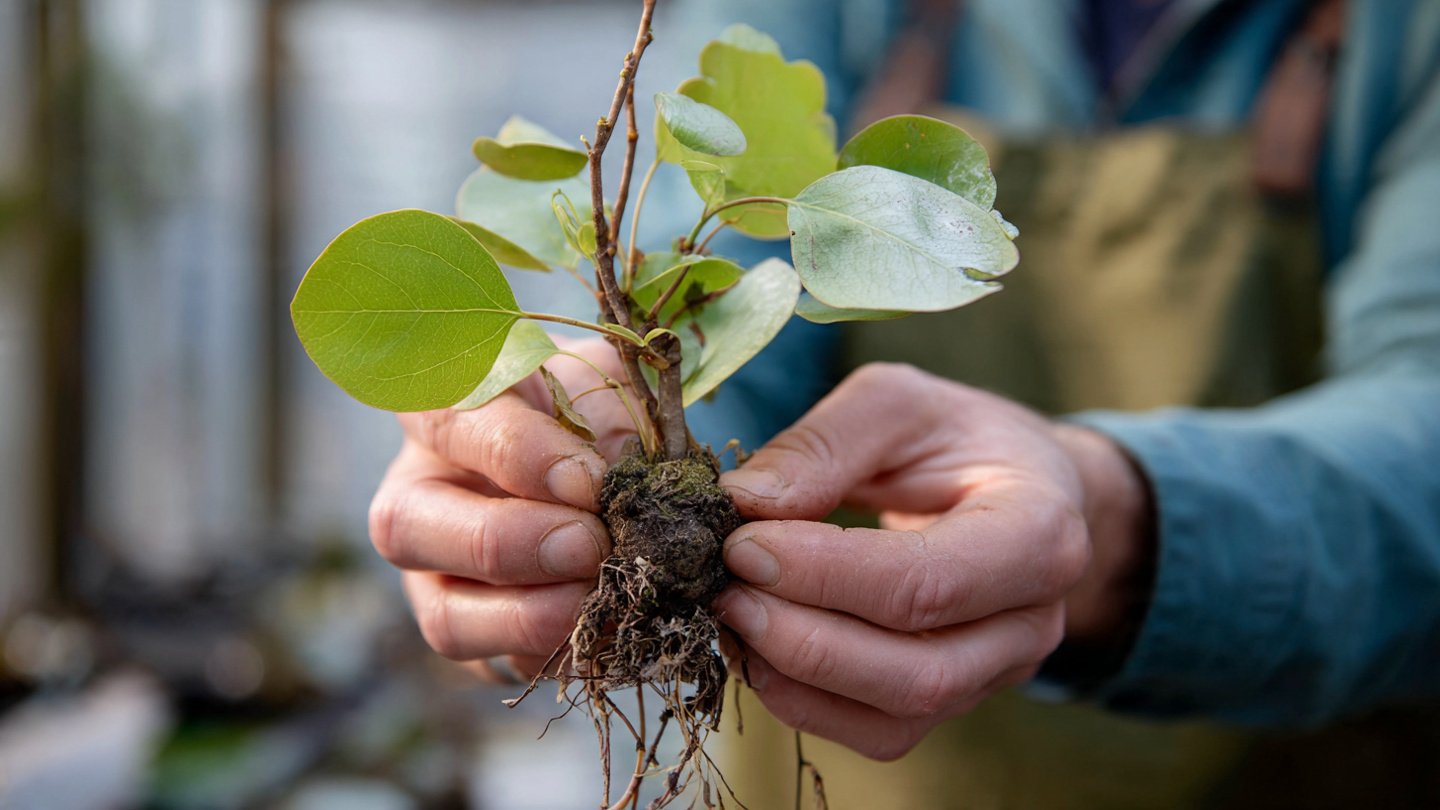
Propagating pear trees from cuttings is an excellent way to expand your orchard or garden without the need for seeds or purchasing new trees. This method not only preserves the parent tree’s desirable traits, but it also provides a rewarding gardening experience. In this guide, we will explore the process of propagating pear trees from cuttings, including the best practices, techniques, and troubleshooting tips.
Understanding Pear Trees
Pear trees belong to the genus Pyrus and can produce delicious fruits when grown properly. They thrive in various climates but prefer temperate zones. The two main types of pears are European (e.g., Pyrus communis) and Asian (e.g., Pyrus pyrifolia). Each type has distinct characteristics, including size, flavor, and growing conditions. Understanding these differences will help you choose the right cultivar for propagation.
Why Propagate from Cuttings?
-
Genetic Consistency: Propagating from cuttings ensures that the new trees carry the same genetic traits as the parent tree, including fruit quality and disease resistance.
-
Cost-Effective: This method saves money as it eliminates the need to buy new plants.
-
Speed: Propagation from cuttings can produce fruit-bearing trees faster than starting from seeds.
-
Space Efficiency: You can grow multiple trees in a limited space.
What You Need
Before diving into the propagation process, gather the necessary tools and materials:
- Sharp Pruning Shears: For cutting the parent tree’s branches.
- Rooting Hormone: This encourages root development in the cuttings.
- Clean Pots or Seedling Trays: For planting the cuttings.
- Well-Draining Potting Mix: A mixture that retains moisture but drains excess water effectively.
- Plastic Bag or Dome: To retain humidity around the cuttings.
- Water: To keep the soil moist.
Selecting the Right Cutting
-
Time of Year: Late spring or early summer is the best time to take cuttings when trees are active in their growth cycle. Softwood cuttings are typically harvested during this time.
-
Growth Selection: Choose healthy, disease-free branches. Look for shoots that are pencil-thin and have at least two to three leaf nodes.
-
Cutting Size: Aim for cuttings about 6 to 8 inches long. Each cutting should have several leaf nodes.
Step-by-Step Guide to Propagation
Step 1: Taking Cuttings
-
Select a Branch: Choose a healthy branch from the desired pear tree.
-
Make the Cut: Use sharp pruning shears to cut the branch just below a node. This will provide the cutting with the necessary hormones to encourage root growth.
Step 2: Preparing Cuttings
-
Remove Leaves: Trim the cutting to have 2-3 leaves at the top, removing the leaves from the lower half to reduce moisture loss.
-
Apply Rooting Hormone: Dip the cut end into rooting hormone powder. This step is crucial as it stimulates root development.
Step 3: Planting Cuttings
-
Prepare Pots: Fill your pots or seedling trays with a well-draining potting mix.
-
Make Holes: Use a pencil or your finger to create holes in the potting mix. This will prevent the rooting hormone from being rubbed off.
-
Insert Cuttings: Place the cuttings into the holes, making sure they are firm but not compacted.
-
Watering: Give the cuttings a gentle watering to settle the mix around them. Ensure that the soil is damp but not waterlogged.
Step 4: Providing the Right Environment
-
Humidity Dome: Cover the pots with a plastic bag or dome to maintain humidity. If using plastic, ensure that the bag does not touch the leaves to avoid mold growth.
-
Location: Place the pots in a location with bright, indirect light. Avoid direct sunlight, which could scorch the cuttings.
-
Temperature: A warm environment (around 70-75°F) promotes faster root growth.
Step 5: Care and Maintenance
-
Watering: Keep the soil consistently moist but not soggy. Regularly check for dry spots and water as needed.
-
Ventilation: Every few days, prop up the plastic bag or dome for an hour or two to allow fresh air in. This prevents mold and mildew.
-
Light: If you notice the cuttings stretch towards the light, consider rotating them to ensure even growth.
Step 6: Root Development
-
Time Frame: Depending on the pear variety and environmental conditions, roots should begin to develop in 3-8 weeks.
-
Testing for Roots: Gently tug on the cuttings; if you feel resistance, roots are forming.
-
Transplanting: Once adequate roots are established, usually 3-4 inches long, the cuttings can be transplanted into larger pots or directly into the ground.
Troubleshooting Common Issues
-
Mold Growth: If you see mold on the surface, reduce humidity by removing the plastic cover for longer periods.
-
Wilting Cuttings: This can happen if the cuttings are watered too much or too little. Adjust your watering schedule accordingly.
-
Slow Rooting: If roots are slow to develop, ensure that temperatures are warm enough and that the cuttings are receiving adequate light.
-
Leaf Drop: If leaves turn yellow and drop off, this could be a sign of overwatering or insufficient light.
Final Transplanting
Once your cuttings are well-rooted, it’s time to transplant them:
-
Prepare a Larger Pot or Garden Bed: Choose a location with well-draining soil and full sunlight.
-
Hardening Off: Gradually introduce the young plants to outdoor conditions over a week or two before planting them into the ground.
-
Planting: Dig a hole twice the size of the root ball, place the young plant in the hole, and fill with soil, pressing firmly to eliminate air pockets.
-
Watering in: Water the transplant thoroughly to help settle the soil around the roots.
Care for the Young Pear Trees
Once transplanted, continue to care for your young pear trees:
-
Watering: Keep the soil consistently moist for the first year.
-
Mulching: Apply mulch around the base to retain moisture and suppress weeds.
-
Fertilizing: Use a balanced fertilizer during the growing season to promote healthy growth.
-
Pruning: Light pruning helps shape the tree and encourage a strong structure.
Frequently Asked Questions (FAQs)
1. Can I propagate all types of pear trees from cuttings?
While most pear trees can be propagated from cuttings, some cultivars may respond better than others. Experiment with different varieties to see which performs well in your environment.
2. How long does it take for pear cuttings to root?
Rooting time can vary but generally takes between 3 to 8 weeks, depending on environmental conditions.
3. What should I do if my cuttings aren’t rooting?
Ensure they are kept in a warm and humid environment. Consider re-dipping the cut end in rooting hormone and replanting.
4. Can I use water instead of soil for rooting?
While some plants do root well in water, it is generally less effective for pear trees. Rooting in soil provides better stability and nutrients.
5. When is the best time to take cuttings?
The best time for taking cuttings is in late spring or early summer when the trees are actively growing.
6. Should I fertilize the cuttings?
Avoid fertilizing the cuttings until they develop strong roots, as this can lead to stress.
Conclusion
Propagating pear trees from cuttings is an enriching process that can enhance your garden or orchard. By following the outlined steps and troubleshooting tips, you will set the foundation for healthy, thriving trees that can produce bountiful fruit. Whether you are a novice or an experienced gardener, successfully propagating pear trees can be both a horticultural challenge and a rewarding experience. Happy gardening!