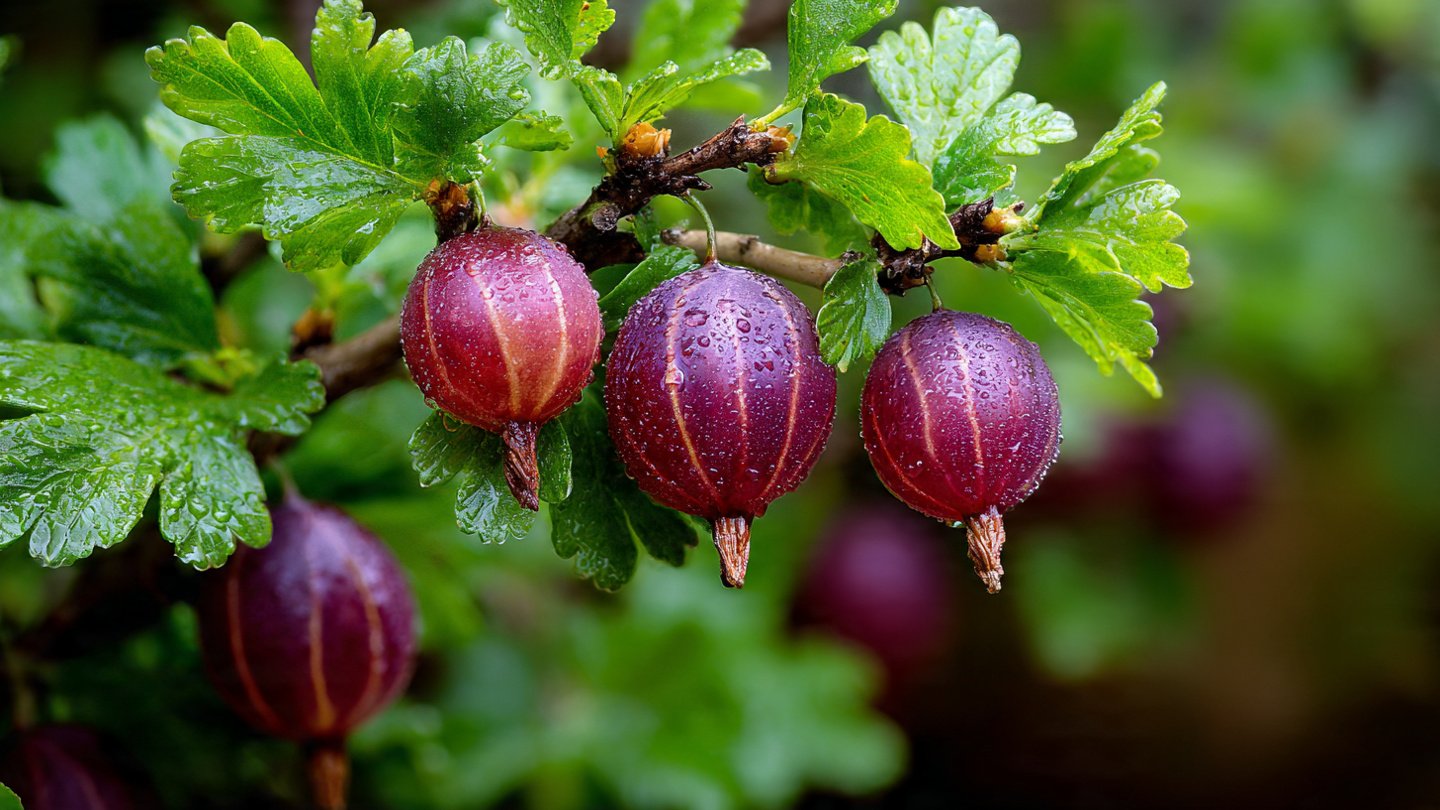
Gooseberries are small, tangy fruits that pack a flavorful punch and make for delightful additions to numerous culinary dishes. Not only are they delicious, but they are also relatively easy to grow, particularly cold hardy varieties. If you’re considering adding gooseberries to your garden, this comprehensive guide will walk you through everything you need to know to cultivate healthy, productive plants.
Understanding Gooseberries
Gooseberries (Ribes uva-crispa) belong to the currant family and are perennial bushes that thrive in cooler climates. These plants typically produce fruit within the first couple of years after planting, making them a rewarding choice for both novice and experienced gardeners. The beauty of growing gooseberries lies not only in the fruit but also in the plant’s resilience and ornamental value, with lush green foliage and spiny branches that add character to any garden.
Types of Cold Hardy Gooseberries
Several cold-hardy varieties are ideal for gardeners in cooler regions:
-
European Gooseberries (Ribes uva-crispa): These are often more robust and flavorful than their American counterparts. Varieties like ‘Invicta’ and ‘Hinnomaki Red’ are popular for their resilience and fruit quality.
-
American Gooseberries (Ribes hirtellum): These varieties are typically smaller and more tolerant of warmer temperatures. They can still thrive in cold climates, making them versatile.
-
Hybrid Gooseberries: These are crosses between European and American species, combining the best traits of both. Varieties such as ‘Johan’ and ‘Poorman’ are known for their flavor and hardiness.
Growing Conditions
1. Choosing the Right Location
Gooseberries thrive in full sun, ideally receiving at least 6 hours of direct sunlight each day. However, they can tolerate partial shade, particularly in hotter climates. The soil should be well-drained, fertile, and slightly acidic to neutral in pH (5.5-7.0). Avoid overly wet or boggy areas where the roots can rot.
2. Soil Preparation
Before planting, it’s essential to prepare the soil properly:
-
Test the Soil pH: Use a soil pH test kit to ensure that your soil falls within the ideal range.
-
Amend the Soil: If necessary, add organic matter, such as compost or well-rotted manure, to improve fertility and drainage.
-
Double Digging: If the soil is compacted, consider double digging the planting area to break up the soil structure and promote root growth.
3. Planting Gooseberry Bushes
Once your soil is prepared, it’s time to plant:
-
Timing: The best time to plant gooseberries is in early spring or fall before the ground freezes.
-
Spacing: Provide adequate space for air circulation and growth; plant gooseberries about 3 to 4 feet apart.
-
Depth: Dig a hole that is deep enough to accommodate the roots and ensure that the crown of the plant (where the stem meets the roots) is level with the soil surface.
-
Water: Water thoroughly after planting to help settle the soil around the roots.
Maintenance and Care
1. Watering
While gooseberries are drought-tolerant once established, they require consistent moisture during the growing season, especially when fruiting. Water deeply at least once a week, adjusting frequency based on rainfall and temperature.
2. Mulching
Applying a layer of mulch around the base of the plants helps retain soil moisture, suppress weeds, and regulate soil temperature. Organic mulches like straw or shredded leaves also contribute nutrients as they decompose.
3. Pruning
Pruning is crucial for promoting fruit production and maintaining plant health:
-
Timing: Prune in late winter or early spring before new growth begins.
-
Methods: Remove any dead, damaged, or crossing branches. Thin out crowded branches to improve air circulation and allow sunlight to penetrate the center of the bush.
4. Fertilizer
A balanced fertilizer can help enhance growth. Apply a slow-release fertilizer in early spring, following the package instructions. Organic options, such as fish emulsion or compost, are excellent choices for providing nutrients.
5. Pest and Disease Management
Gooseberries can be susceptible to pests like aphids and diseases like powdery mildew. Here are some tips for managing these issues:
-
Monitoring: Regularly inspect your plants for signs of pests or diseases.
-
Organic Treatments: Use insecticidal soap or neem oil for pest control and keep foliage dry to prevent mildew.
-
Crop Rotation: Rotate crops yearly to minimize disease build-up in the soil.
Harvesting Gooseberries
Gooseberries typically begin bearing fruit within 1-2 years after planting. Harvesting can begin when the berries reach their full size, typically in mid to late summer.
-
Timing: Berries can be harvested while they are still green for tart flavors or left to fully ripen for a sweeter taste.
-
Method: Gently twist the berries off the branches, taking care not to damage the plant.
-
Storage: Fresh gooseberries can be stored in the refrigerator for a week. For long-term storage, consider freezing or making preserves.
Common Issues When Growing Gooseberries
1. Fungal Diseases
Powdery mildew and other fungal diseases can impact gooseberries, especially in humid conditions. Implementing good air circulation through adequate pruning can help mitigate these risks.
2. Leaf Spot
Leaf spot diseases can cause unsightly brown or black spots on leaves, leading to early leaf drop. Ensure proper spacing and airflow around your plants to reduce humidity levels.
3. Pests
Be vigilant about pests such as gooseberry sawflies, which can defoliate your bushes. Handpicking and using insecticidal soap can be effective deterrents.
FAQs
1. How much sunlight do gooseberries need?
Gooseberries thrive in full sun, requiring at least 6 hours of direct sunlight daily. They can tolerate some shade but may produce less fruit.
2. What is the best way to prepare the soil for gooseberries?
Amend the soil with organic matter, check the soil pH (5.5-7.0 is ideal), and ensure proper drainage. Double digging may help if the soil is compacted.
3. When should I prune my gooseberry bushes?
Prune gooseberries in late winter or early spring before new growth begins to promote air circulation and fruit production.
4. Are gooseberries easy to grow?
Yes, gooseberries are relatively easy to grow if provided with the right conditions, including adequate sunlight, consistent moisture, and proper care.
5. How do I know when my gooseberries are ready to harvest?
Berries are typically ready to harvest when they reach full size, usually in mid to late summer. Harvest when they are green for a tart flavor or let them ripen for sweetness.
6. Can I grow gooseberries in containers?
Yes, gooseberries can be grown in containers as long as they are large enough (at least 5 gallons) and have proper drainage. Ensure consistent watering and fertilizing.
Conclusion
Growing cold hardy gooseberry plants in your garden can be a rewarding experience, providing delicious fruit and ornamental beauty. By understanding their needs and following proper care techniques, you can successfully cultivate these resilient plants. With patience and a little effort, you’ll be on your way to enjoying your homegrown gooseberries in various culinary creations. Embrace the journey of gardening, and savor the sweet rewards!