Introduction
The Hoya Rope, known scientifically as Hoya carnosa, is a popular indoor plant prized for its unique waxy leaves and stunning clusters of star-shaped flowers. As with many houseplants, cultivating Hoya Rope can pose challenges, particularly regarding rot issues that can easily arise from improper care. This article explores effective strategies for successfully nurturing your Hoya Rope while preventing rot problems, ensuring your plant remains healthy and vibrant.
Understanding Hoya Rope
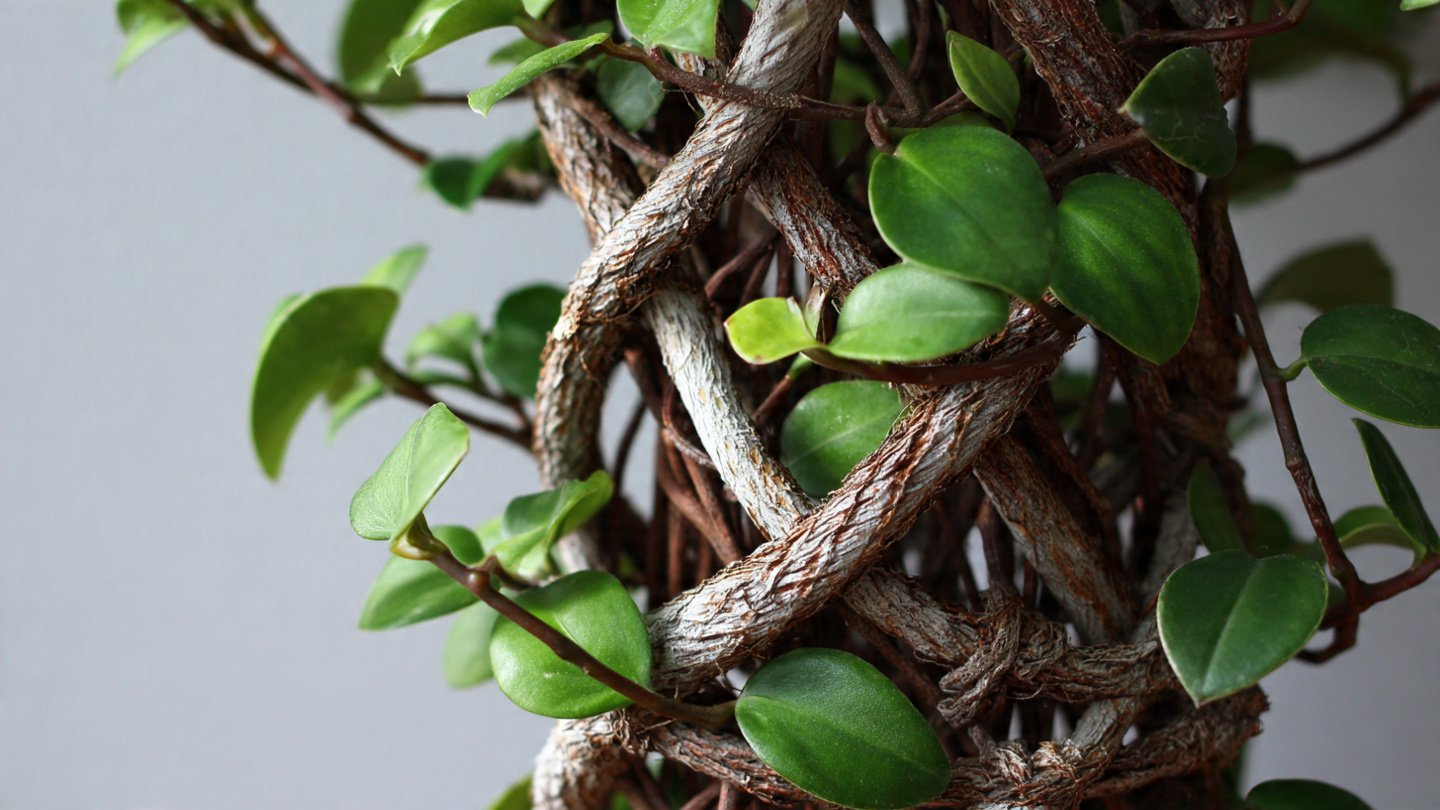
Before diving into cultivation strategies, it’s important to understand what a Hoya Rope is. Originating from Southeast Asia, this semi-succulent vine is known for its thick, succulent-like leaves that display a beautiful waxy finish. Hoya Rope is often grown in hanging baskets due to its trailing growth habit, making it a perfect candidate for vertical gardening or indoor decoration.
Characteristics of Hoya Rope
- Leaves: Thick, waxy, and in a deep green color, they cultivate a rich aesthetic.
- Flowers: Hoya Rope produces clusters of fragrant, star-shaped flowers, often in hues of pink and white.
- Growth Habit: They are climbing or trailing plants that need support, making them great for pots or hanging baskets.
- Light Requirements: Hoya requires bright, indirect sunlight to thrive.
Cultivation Strategies
1. Pot Selection
Choosing the right pot is fundamental in preventing rot issues. Select a pot with adequate drainage holes. A pot that is too deep can hold excess moisture, leading to root rot.
- Terra-Cotta vs. Plastic: Terra cotta pots are porous and help wick away moisture, making them suitable for Hoya. Plastic pots, while retaining moisture longer, can lead to overwatering if not monitored.
2. Soil Composition
The right soil mix is crucial for drainage and aeration.
Recommendations:
- Well-Draining Mix: Use a mix designed for succulents and cacti, typically composed of peat, perlite, and coarse sand.
- Homemade Mix: Combine equal parts potting soil, perlite, and orchid bark for excellent drainage.
3. Watering Techniques
Overwatering is the leading cause of rot in Hoya. To prevent this, adhere to the following watering strategies:
- Soil Check: Before watering, check the top 1-2 inches of soil. If it’s dry, it’s time to water; if it’s moist, wait a few more days.
- Deep Watering: When you do water, do so thoroughly until water drains from the bottom of the pot. This ensures that roots receive sufficient hydration without sitting in stagnant water.
4. Light Exposure
Providing adequate light is essential for healthy growth.
- Indirect Sunlight: Hoya prefers bright, indirect sunlight. Direct sunlight can scorch the leaves, while too little light can weaken the plant, making it more susceptible to rot.
- Rotation: Rotate the plant occasionally to ensure all sides receive sufficient light.
5. Humidity and Temperature
While Hoya Rope is relatively tolerant of varying humidity and temperature, specific conditions can enhance growth and prevent rot.
- Humidity Levels: Aim for humidity levels between 40-60%. If your home is too dry, consider using a humidifier or placing a tray of water near the plant.
- Temperature Range: Hoya thrives in temperatures between 60°F to 80°F. Avoid placing them near drafts or heat sources, as significant temperature fluctuations can stress the plant.
6. Fertilization
Proper nutrition aids in robust growth and disease resistance.
- Balanced Fertilizer: Use a balanced, water-soluble fertilizer (like a 20-20-20) diluted to half strength, every 4-6 weeks during the growing season (spring and summer).
- Reduced Foliar Fertilizing: In the fall and winter, cut back on fertilization, as the plant’s growth slows.
7. Pruning Techniques
Regular pruning helps maintain your Hoya Rope’s shape and health.
- Removing Dead Leaves: Trim off any yellowing or dead leaves promptly to prevent disease spread.
- Pinching Back: Pinch back the stems to encourage bushier growth and improve airflow, reducing the chance of rot.
8. Pest Management
Maintaining a pest-free environment is vital to preventing plant stress and rot.
- Regular Inspections: Check for common pests like spider mites or aphids. If discovered, treat with insecticidal soap or neem oil.
- Quarantine New Plants: Always isolate new Hoya plants for a few weeks before introducing them to prevent potential infestations.
Preventing Rot Issues
1. Signs of Rot
Recognizing the early signs of rot allows for timely intervention. Watch for:
- Soft and Discolored Leaves: Leaves turning yellow or brown and feeling mushy are indications of root rot.
- Unpleasant Odor: A foul smell from the soil can signal decomposing roots.
- Wilting: Drooping leaves despite adequate watering may indicate root damage and rot.
2. Salvaging a Rotted Plant
If root rot occurs, swift action can sometimes save your plant.
- Assess the Damage: Remove the plant from its pot and examine the roots. Cut away any black, mushy roots with sterile scissors.
- Repotting: Place the healthy roots in fresh, clean potting mix in a well-draining pot. Avoid watering until the topsoil is dry.
FAQs
1. How often should I water my Hoya Rope?
Water your Hoya Rope only when the top 1-2 inches of soil are dry. Typically, this might be once every week or two, depending on your home’s conditions.
2. Why are the leaves on my Hoya Rope turning yellow?
Yellowing leaves can signify overwatering or poor drainage. Check the moisture level in the soil and adjust your watering routine.
3. Does Hoya Rope need to be fertilized?
Yes, during the growing season (spring and summer), using a balanced, diluted fertilizer every 4-6 weeks can promote healthy growth. Reduce or stop fertilizing in the fall and winter.
4. Can I propagate Hoya Rope?
Yes, Hoya can be easily propagated from cuttings. Cut a section of stem with 2-3 leaves and place it in a jar of water or directly in fresh potting soil until roots develop.
5. What pests should I watch out for?
Common pests include spider mites, aphids, and mealybugs. Regular inspections and maintaining a clean plant environment can help prevent infestations.
6. How do I increase humidity for my Hoya Rope?
You can increase humidity by using a humidifier, grouping plants together, or placing a water tray with pebbles near your Hoya to elevate humidity levels.
Conclusion
Cultivating Hoya Rope can be a rewarding endeavor, yielding stunning foliage and delightful blooms. By following these effective cultivation strategies and being mindful of potential rot issues, you can ensure your plant thrives for years to come. Remember to monitor your plant regularly and adapt your care routine according to its unique needs. Happy gardening!