Introduction
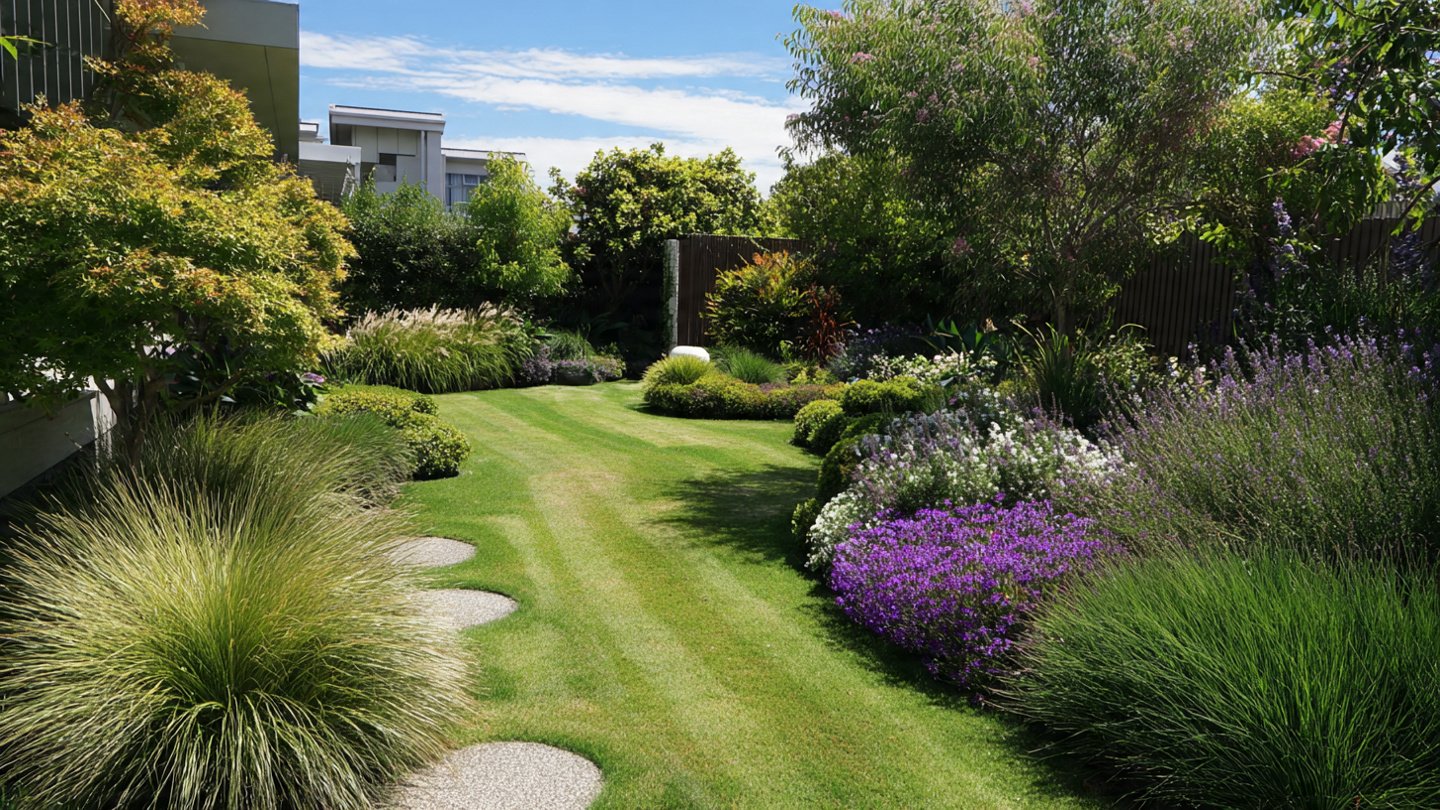
A well-designed lawn is more than just a patch of green; it’s a sanctuary, an extension of your home, and a reflection of your personality. Incorporating feature plants into your lawn design can elevate its aesthetics and create a vibrant focal point. Feature plants bring character, colors, and textures, transforming an ordinary lawn into a stunning landscape. In this article, we’ll explore simple tips for effectively integrating feature plants into your lawn design, creating a space that’s not only beautiful but also harmonious with its surroundings.
Understanding Feature Plants
Feature plants, often called focal point plants, are chosen for their unique attributes—be it striking foliage, captivating flowers, or intriguing shapes. They serve as visual anchors in your landscape, guiding the eye and adding depth to your overall design.
When selecting feature plants, consider their height, color, texture, and seasonal changes. These aspects will influence how well they integrate into your lawn and will keep the landscape interesting throughout the year.
Simple Tips for Incorporating Feature Plants
1. Choose the Right Location
The placement of your feature plants is crucial. To maximize their visual impact, position them where they can be easily seen from key viewing points in your yard.
- Focal Points: Place feature plants at the end of paths, around corners, or near prominent structures like a patio or deck.
- Layering: Use varying heights. Place taller plants behind shorter ones to create depth, allowing the eye to travel through your landscape.
2. Select Plants that Suit Your Climate
Understanding your local climate and soil conditions will guide your plant selection. Native plants are often a great choice, as they’re adapted to the local environment and require less maintenance.
- Soil Testing: Conduct a soil test to understand the nutrient profile and pH of your lawn, which will help you choose appropriate plants.
- Hardiness Zones: Familiarize yourself with your USDA hardiness zone. This knowledge will inform you about what plants will thrive in your climate.
3. Create Balance and Harmony
For a visually pleasing lawn, it’s important to create balance. Use an even distribution of feature plants throughout the design to ensure that no single area feels too heavy or crowded.
- Color Palette: Choose a color scheme that complements your home and surrounding landscape. Consider using a mix of different colors to add vibrancy.
- Texture and Shape: Combine plants with different leaf shapes and textures. For example, the contrast between smooth-leafed hostas and spiky ornamental grasses creates visual interest.
4. Consider Seasonal Variations
Incorporating feature plants that bloom at different times or feature changing foliage throughout the seasons will ensure your lawn remains attractive year-round.
- Evergreen Plants: Including evergreens will provide structure and color during the winter months.
- Seasonal Blooms: Select plants with staggered bloom times to guarantee that there’s always something in flower, keeping your lawn vibrant through every season.
5. Incorporate Hardscape Elements
Feature plants can be beautifully complemented by hardscape elements such as pathways, stones, or garden structures.
- Paths and Borders: Create pathways that wind through the feature plants to guide visitors through your space and encourage exploration.
- Garden Edging: Use stones, bricks, or wood to outline garden beds containing feature plants. This not only provides a clean look but also defines the space.
6. Visual Weight and Scale
Understanding the visual weight of plants is important in a well-balanced design. Larger feature plants should be used in moderation to prevent them from overpowering smaller plants.
- Scale with Surroundings: Consider the height of your feature plants relative to your home and other landscape elements. This will maintain proportion within your yard.
- Create Layers: Position taller plants at the back and gradually transition to shorter plants at the front. This layering creates a natural flow and allows each plant its moment to shine.
7. Experiment with Groupings
Group feature plants in odd numbers (such as threes or fives) for a more natural look. This technique draws the eye and creates visual interest without being overly symmetrical.
- Cohesive Groupings: Combine plants of similar care needs to create low-maintenance areas. This reduces the need for intensive care and keeps the landscape looking pristine.
- Diverse Textures: Mix plants with varying textures and colors in your groupings to create dynamic visual appeal.
8. Involve Different Plant Types
Consider integrating various types of plants, including trees, shrubs, perennials, and annuals, to add depth and diversity.
- Contrast in Heights: Use taller trees or shrubs as the backdrop with lower-growing perennials and annuals in the foreground.
- Annuals vs. Perennials: Annuals can provide seasonal colors and flowers, while perennials offer reliable blooms year after year.
9. Maintenance Considerations
Consider the maintenance requirements of your feature plants. Easy-care plants can save time and effort while still providing stunning visual appeal.
- Watering Needs: Group plants with similar watering needs together to ensure efficient irrigation.
- Pruning and Growth: Consider how large the plants will grow and how much pruning they require. Select plants that suit your desired level of maintenance.
10. Use Lighting Effectively
Outdoor lighting can enhance the beauty of feature plants, making them stand out in the evening and adding depth to your landscape.
- Spotlights: Use spotlights to highlight specific feature plants, illuminating their colors and textures at night.
- Path Lighting: Incorporate low-level lighting along paths and borders to enhance the overall ambiance and encourage nighttime enjoyment of your lawn.
Conclusion
Incorporating feature plants into your lawn design can significantly enhance its visual appeal and create a welcoming environment. By selecting plants suited to your local climate, arranging them thoughtfully, and considering maintenance, you can achieve a stunning landscape that complements your home and lifestyle.
FAQs
1. What are feature plants?
Feature plants are distinctive plants chosen for their unique characteristics, such as shape, color, or size, that serve as focal points in a garden or lawn design.
2. How do I choose the right plants for my climate?
Research your local climate, soil conditions, and hardiness zone to select plants that will thrive in your environment. Native plants are often the best option.
3. Can I mix different types of plants?
Yes! Mixing various types of plants, including trees, shrubs, perennials, and annuals, can create depth and diversity in your landscape, making it more visually interesting.
4. How should I arrange feature plants?
Arrange feature plants based on height and color. Taller plants should be placed at the back, while shorter ones are placed at the front. Grouping plants in odd numbers often leads to a more natural appearance.
5. What maintenance do feature plants require?
Maintenance varies by species. Consider factors like watering needs, pruning requirements, and growth rates when selecting plants to ensure they fit with your desired gardening level.
6. How can I enhance my feature plants at night?
Using outdoor lighting, such as spotlights and path lights, can highlight your feature plants at night, enhancing their aesthetics and creating a welcoming environment.
Final Thoughts
Your lawn is a canvas waiting for your artistic touch. By thoughtfully incorporating feature plants, you can craft a personalized, inviting outdoor space that reflects your tastes and enhances your home’s curb appeal. Remember, the journey of landscape design is a learning experience; take your time to explore different ideas and enjoy the process!