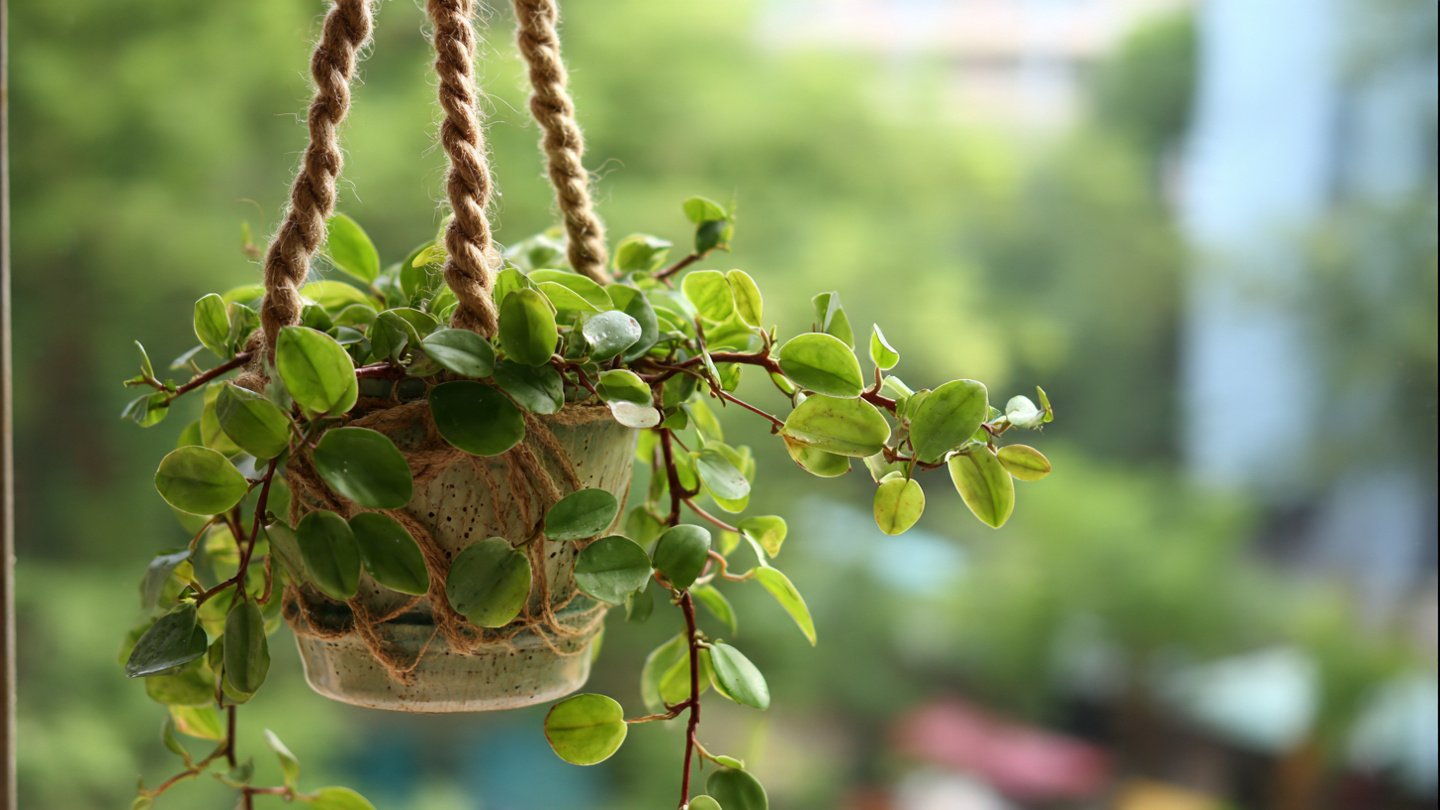
The Hoya Rope, scientifically known as Hoya carnosa ‘Compacta,’ is a beloved houseplant known for its unique, waxy leaves and fragrant flowers. Although relatively easy to care for, issues like rot can threaten the health of this delightful plant. Cultivating Hoya Rope successfully while safeguarding against rot requires understanding its natural habitat, optimal care techniques, and early detection of potential issues. This article delves into effective strategies for growing Hoya Rope and provides a comprehensive FAQ section for further clarification.
Understanding Hoya Rope
1. Natural Habitat
Hoya Rope is native to tropical Asia, where it flourishes in warm, humid environments. Its epiphytic nature enables it to grow on trees and rocks, drawing moisture from the air and organic materials rather than soil. Understanding this natural habitat is crucial for replicating the right growing conditions indoors.
2. Morphology
The most distinctive feature of the Hoya Rope is its long, trailing vines adorned with thick, waxy leaves. These leaves can grow up to several inches long and come in various shades of green. The plant also produces clusters of star-shaped flowers that can be white, pink, or red, adding to its aesthetic appeal.
Effective Cultivation Strategies
3. Choosing the Right Potting Mix
Using the appropriate potting mix is pivotal for Hoya Rope health. Since the plant is epiphytic, a well-draining mix is essential.
Recommended Mix:
- Orchid Bark: Provides excellent aeration.
- Coconut Coir or Sphagnum Moss: Helps retain moisture without becoming soggy.
- Perlite or Pumice: Enhances drainage.
4. Container Selection
Choosing the right container is equally important.
- Material: Terracotta pots are preferred as they allow for air circulation and moisture evaporation. However, plastic pots can also work if they have adequate drainage holes.
- Size: Hoya Rope doesn’t need repotting frequently. Choose a pot slightly larger than the root ball to avoid water retention in excess soil.
5. Watering Techniques
Watering is one of the most critical factors in preventing rot. Overwatering is often the primary cause of rot in Hoya Rope.
Guidelines for Watering:
- Soil Check: Always check if the top inch of soil is dry before watering. Insert a finger or a moisture meter to gauge soil moisture.
- Watering Method: Water thoroughly until excess drains from the bottom. Never let the plant sit in standing water.
- Seasonal Adjustments: Reduce watering in winter when the plant’s growth slows down.
6. Humidity and Temperature
Hoya Rope thrives in high humidity environments, so mimicking its native conditions can promote growth.
Humidity Tips:
- Humidity Levels: Aim for at least 50% humidity; consider using a humidifier or placing a humidity tray under the pot.
- Grouping Plants: Cluster Hoya Rope with other plants to naturally increase humidity levels.
Temperature Guidelines:
- Ideal Range: Keep temperatures between 60°F and 85°F (15°C to 29°C).
- Avoid Cold Drafts: Protect the plant from sudden temperature drops or cold drafts.
7. Light Conditions
Hoya Rope prefers bright, indirect light but can tolerate some direct sunlight.
Light Tips:
- Location: Place near an east or west-facing window for optimal lighting.
- Avoid Direct Sun: Direct sunlight can scorch the leaves, causing damage.
8. Fertilization Practices
While Hoya Rope doesn’t require heavy feeding, it benefits from occasional fertilization.
Fertilization Guidelines:
- Type: Use a balanced, water-soluble fertilizer or one specifically formulated for orchids.
- Timing: Fertilize during the growing season (spring and summer) once a month. Reduce or stop fertilizing in fall and winter.
9. Pruning and Maintenance
Regular pruning not only helps maintain the plant’s shape but also encourages bushier growth and greater flower production.
Pruning Tips:
- When to Prune: The best time is during the growing season.
- Techniques: Use sharp, sterilized scissors to make clean cuts. Remove dead or yellowing leaves and any spindly growth.
10. Pest Management
Hoya Rope is relatively resilient but can attract pests like mealybugs, aphids, and spider mites.
Pest Control Strategies:
- Monitoring: Regularly inspect the leaves and stems for signs of infestation.
- Treatment: Use insecticidal soap or a diluted solution of neem oil to combat pests. Always test a small area before widespread application.
Preventing Rot Issues
11. Key Indicators of Rot
Be vigilant for early signs of rot, which can set in rapidly.
Symptoms:
- Yellowing Leaves: A common indicator that roots may be rot-prone.
- Soft or Mushy Stems: If you notice any softness or mushiness, check the roots.
- Foul Smell: An unpleasant odor coming from the soil can signal root rot.
12. Root Care
Healthy roots are essential for plant vitality. Regularly check the root system when repotting or inspecting for pests.
Root Care Tips:
- Safe Repotting: If you suspect root rot, remove the plant, trim away affected roots, and replant in fresh, dry soil.
- Use of Fungicides: Consider a fungicide treatment if fungal rot is suspected.
13. Timing of Watering
Proper timing can prevent overwatering.
Watering Schedule:
- Routine: Develop a consistent watering routine based on your plant’s environment. Consider consulting your local weather conditions.
- Monitoring: Observe your plant’s needs and adjust your watering frequency accordingly.
14. Seasonal Approaches
Adapting care practices with the seasons can significantly reduce rot risk.
Seasonal Care:
- Spring/Summer: Increase watering and humidity as the plant actively grows.
- Fall/Winter: Cut back on watering and ensure it is not exposed to extreme cold.
Conclusion
Successfully cultivating Hoya Rope while preventing rot is not only achievable but rewarding. By providing the right environmental conditions, careful watering practices, and vigilant attention to the plant’s health, you can enjoy the lush beauty and fragrance of this unique species. Whether you’re a seasoned plant enthusiast or just beginning, following these effective strategies will help you reap the benefits of this charming houseplant for years to come.
FAQs
1. How often should I water my Hoya Rope?
You should water your Hoya Rope only when the top inch of soil feels dry. This may vary from once a week to every other week, depending on environmental conditions.
2. What type of light is best for Hoya Rope?
Bright, indirect light is ideal. Some direct morning or evening sun can also benefit the plant, but avoid harsh midday sun.
3. What should I do if my plant starts to rot?
Immediately assess the roots. Trim away any mushy or dark roots and repot the plant in fresh, well-draining soil. Monitor watering to prevent recurrence.
4. How can I increase humidity for my Hoya Rope?
Use a humidifier, place a humidity tray filled with water beneath the pot, or group your Hoya Rope with other humidity-loving plants.
5. When is the best time to fertilize Hoya Rope?
Fertilize during the growing season (spring and summer) once a month with a balanced, diluted fertilizer. Reduce frequency in fall and winter.
6. Can I grow Hoya Rope outside?
Yes, on a patio or balcony during warmer months, but be cautious of direct sunlight and ensure that temperatures stay in the 60°F to 85°F range.
By following these guidelines and understanding how to effectively cultivate your Hoya Rope, you can enjoy its unique beauty while keeping it healthy and thriving for years to come.