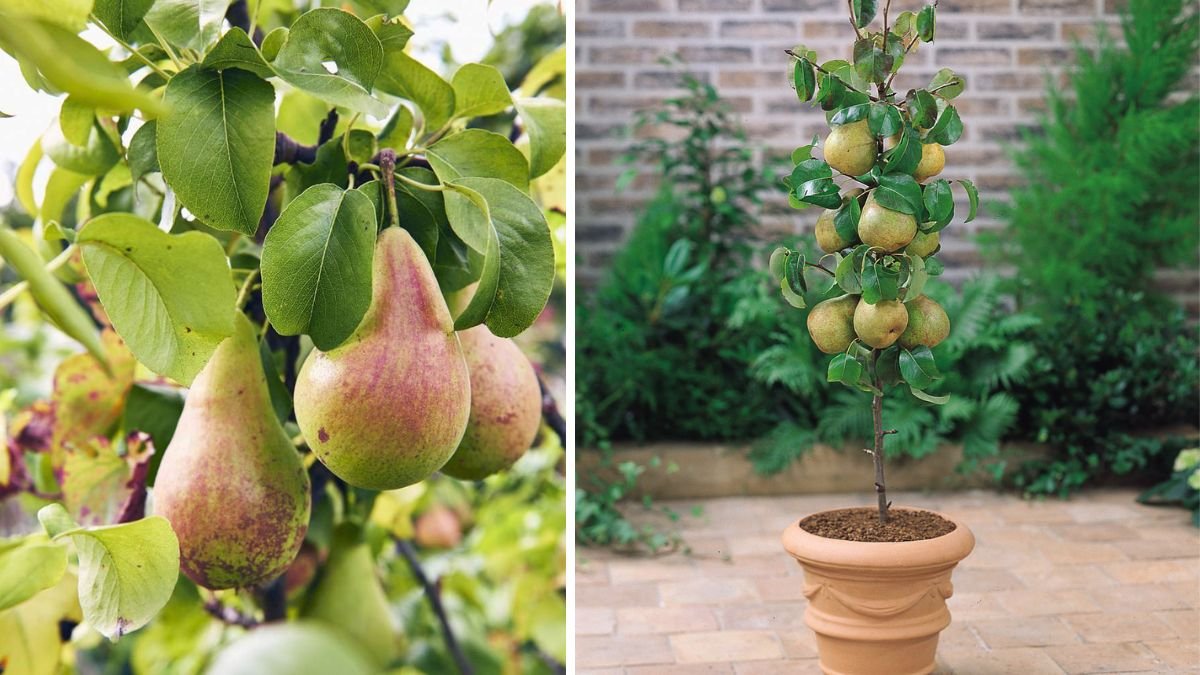
Growing pear trees indoors can be a rewarding endeavor, allowing you to enjoy fresh fruit even in limited spaces. This guide will walk you through everything you need to know about successfully cultivating pear trees in your home.
Why Grow Pear Trees Indoors?
Growing pear trees indoors comes with numerous advantages:
- Space-Saving: Ideal for apartments or homes with limited outdoor space.
- Pest Control: Easier to monitor and manage pests.
- Year-Round Enjoyment: Fertilizing and watering can result in year-round greenery and fruit production.
- Fresh Fruit: Enjoying your homegrown pears is a delight.
Choosing the Right Variety
The first step in growing pear trees indoors is to choose a suitable variety. Some dwarf or semi-dwarf varieties are better suited for indoor growth:
- Dwarf Bartlett: Sweet and aromatic, perfect for indoor gardens.
- Dwarf Seckel: Known for its rich flavor and small size.
- Pineapple Pear: Sweet and juicy, with a delightful tropical flavor.
When selecting a variety, ensure it can thrive in a container and does well in limited space.
Container Selection
The right container is crucial for your pear tree’s health:
- Size: Choose a pot that is at least 18–24 inches deep and wide. It not only gives the roots room to grow but also helps with stability.
- Material: Terra cotta or ceramic pots are ideal as they allow for better air circulation. Ensure your pot has drainage holes.
- Weight: Consider the weight of your pot, especially if you’ll be moving it. A pot that’s too heavy may be hard to relocate when necessary.
Soil Requirements
Your pear tree’s success heavily depends on the soil quality:
- Type: Use a well-draining potting mix. A mixture of potting soil and sand can enhance drainage.
- pH: Pear trees prefer slightly acidic to neutral pH levels (between 6.0 and 7.0). Test your soil using a pH meter or test kit.
Planting Your Pear Tree
Once you have your pot, soil, and tree, it’s time to plant:
- Fill the Pot: Begin by adding your well-draining potting mix to the prepared pot.
- Planting Depth: Place the pear tree in the center of the pot. The root ball should be level with the top of the soil.
- Backfill: Add soil around the tree, ensuring no air pockets remain. Firm the soil gently to secure the plant.
- Watering: Water the tree thoroughly after planting, allowing excess water to drain out.
Light Requirements
Pear trees need plenty of light to thrive:
- Natural Light: Place your pot in a south or west-facing window for maximum sunlight exposure, aiming for at least 6–8 hours of light per day.
- Artificial Light: If natural light is insufficient, consider using grow lights. Position them about 12–24 inches above the tree, providing 12-16 hours of light daily.
Temperature and Humidity
Indoor conditions often vary, so managing temperature and humidity is essential:
- Temperature: Pear trees prefer temperatures between 65°F and 75°F (18°C to 24°C). Avoid exposing them to drafts or sudden temperature changes.
- Humidity: Aim for moderate humidity levels. If your indoor environment is too dry, consider using a humidity tray or misting the leaves occasionally.
Watering and Fertilization
Proper watering and nutrition are crucial for healthy growth:
- Watering: Check the top inch of the soil. If it’s dry, water thoroughly until you see drainage from the bottom. Avoid letting the soil dry out completely, but don’t overwater, as this can lead to root rot.
- Fertilization: Fertilize every 4-6 weeks during the growing season (spring and summer) with a balanced, water-soluble fertilizer. During the fall and winter, reduce fertilization to once every 2-3 months.
Pruning Your Pear Tree
Regular pruning helps shape your tree and promote fruit production:
- Timing: Prune in late winter or early spring before new growth begins.
- Method: Remove any dead or crossing branches. Aim for an open-center shape to enhance sunlight penetration and air circulation.
Pollination
Pear trees require cross-pollination for optimal fruit production:
- Companion Plants: Consider planting another variety of pear tree nearby to facilitate cross-pollination. Dwarf varieties can often pollinate each other, even when planted in containers.
Fruit Development
After several years of care, your pear tree should begin to bear fruit:
- Setting Fruit: Once blossoms occur, bees or wind will pollinate the flowers, leading to fruit formation.
- Harvesting: Depending on the variety, pears will usually ripen in late summer to early fall. The best way to know when to harvest is by checking for a slight softness at the neck of the fruit.
Common Challenges and Solutions
As with any gardening endeavor, you may face challenges. Here are a few common issues and their solutions:
- Pest Infestations: Scale, aphids, and spider mites are common pests. Use insecticidal soap or neem oil to treat infestations.
- Diseases: Fungal infections can occur if humidity levels are too high. Ensure proper air circulation and avoid overhead watering.
- Leaf Drop: If your tree drops leaves, it may be due to improper watering or environmental stress. Assess your watering habits and the tree’s overall location.
Winter Care
Indoor pear trees may require special care during the winter months:
- Dormancy: Pear trees enter dormancy in winter. Reduce watering and stop fertilizing during this time.
- Heating: Keep the room temperature stable and protect the tree from any cycles of heating and cooling.
FAQs
1. Can I grow a pear tree indoors?
Yes, you can grow dwarf varieties of pear trees indoors, as they are suited for container growth.
2. How long does it take for a pear tree to bear fruit?
Most pear trees will take about 3-5 years to begin producing fruit, depending on the variety and care conditions.
3. What type of fertilizer should I use?
Use a balanced, water-soluble fertilizer during the growing season. Look for one with an NPK ratio of around 10-10-10.
4. How much sunlight does a pear tree need?
Pear trees require at least 6–8 hours of direct sunlight each day. Supplement with grow lights if necessary.
5. Can I keep my pear tree permanently indoors?
Yes, as long as you provide proper care and indoor conditions that mimic its natural habitat, your pear tree can thrive indoors.
6. What are the signs of overwatering?
Signs of overwatering include yellowing leaves, brittle branches, and root rot. If you notice these signs, reduce watering immediately.
7. Do I need a second pear tree for pollination?
Yes, it is generally beneficial to have at least two different varieties of pear trees to ensure cross-pollination for fruit set.
8. How do I prune my pear tree?
Prune in late winter or early spring, focusing on removing dead or crossing branches and shaping the tree to an open-center form.
9. What pests should I look out for?
Common pests include scale, aphids, and spider mites. Inspect your tree regularly and treat any infestations promptly.
10. How can I increase humidity for my indoor pear tree?
You can increase humidity by using a humidity tray filled with water and pebbles or by misting the leaves regularly.
Conclusion
Growing pear trees indoors may seem daunting, but with the right knowledge and techniques, you can enjoy the benefits of fresh fruit right at home. From selecting the right variety and container to understanding care requirements, every step contributes to your indoor gardening success. Take the leap and start your journey to growing delicious pears in your very own home!