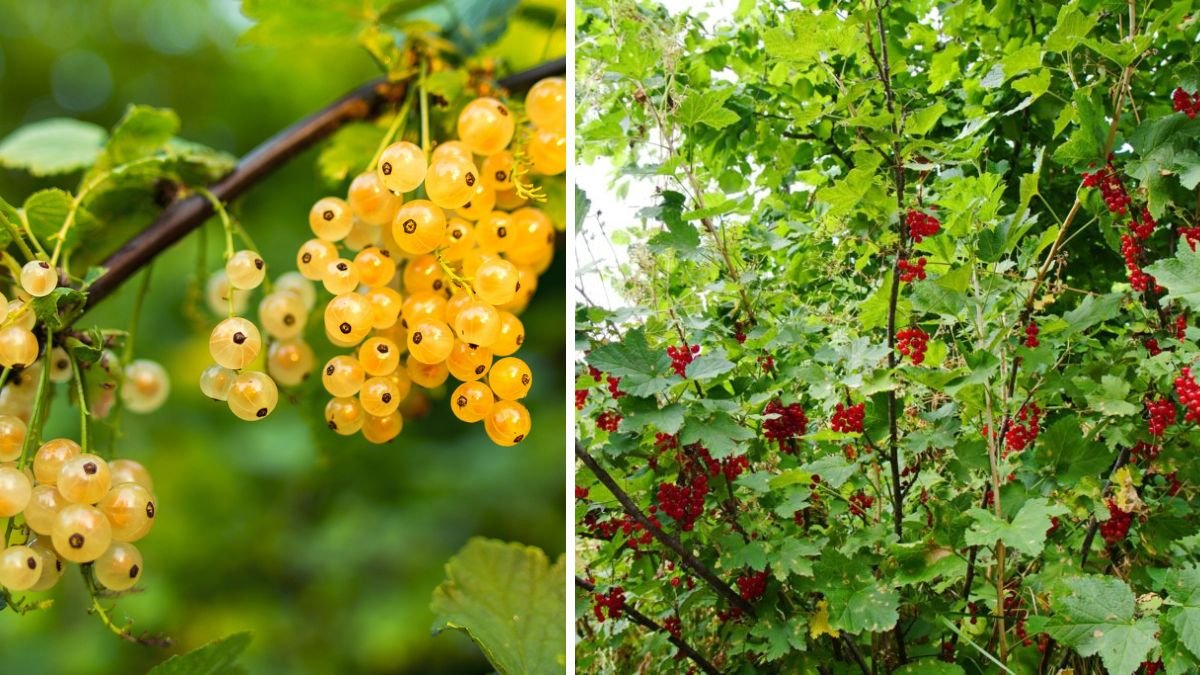
Growing currants can be a rewarding gardening experience, especially in colder climates where many fruits struggle to thrive. Currants, particularly red, white, and black currants, are hardy perennial plants that can adapt to various soil types and weather conditions. This article serves as a practical guide for beginners on how to cultivate these delicious berries, complete with tips, techniques, and a FAQ section.
1. Understanding Currants
1.1 Types of Currants
-
Red Currants (Ribes rubrum): Known for their tart flavor, red currants are commonly used in jams, jellies, and sauces. They ripen in clusters and are often used in desserts.
-
White Currants: A variant of red currants, they are slightly sweeter and less tangy. They are versatile in culinary applications and can be used similarly to red currants.
-
Black Currants (Ribes nigrum): These are richer in flavor and often used in syrups, jams, and beverages. Black currants contain a higher concentration of vitamins, particularly vitamin C and antioxidants.
1.2 Benefits of Growing Currants
-
Hardiness: Currants are highly resilient to frost and can survive in temperatures as low as -30°F (-34°C).
-
Nutritional Value: Currants are packed with vitamins, antioxidants, and dietary fiber, making them a healthy addition to your diet.
-
Biodiversity: They attract pollinators and beneficial insects, which helps maintain a balanced ecosystem in your garden.
2. Site Selection and Preparation
2.1 Choosing the Right Location
-
Sunlight Requirements: Currants thrive in full sun, requiring at least 6 hours of direct sunlight each day. However, they can tolerate partial shade.
-
Soil Conditions: They prefer well-draining, loamy soil rich in organic matter. Avoid heavy clay or overly sandy soils.
2.2 Soil Preparation
-
Testing Soil pH: Currants prefer slightly acidic soil with a pH between 5.5 and 6.5. Conduct a soil test to determine your soil’s pH.
-
Amending the Soil: If necessary, amend your soil with organic compost, peat moss, or sulfur to adjust the pH.
-
Tilling: Loosen the soil to a depth of at least 12 inches. Mix in organic matter to improve drainage and nutrient availability.
3. Planting Currants
3.1 When to Plant
The best time to plant currants is in early spring, after the last frost or in late fall. Planting in spring allows the plants to become established before the heat of summer.
3.2 Choosing Varieties
Select varieties that are well-suited for cold climates. Some recommended varieties include:
- Red Currants: ‘Julius’, ‘Red Lake’
- White Currants: ‘Blanka’
- Black Currants: ‘Benford’, ‘Titania’
3.3 Planting Process
-
Spacing: Space currant plants 3 to 4 feet apart to allow for airflow and easy access for fruit harvest.
-
Digging Holes: Dig holes twice the width of the root ball and as deep.
-
Planting: Place the root ball in the center of the hole, ensuring the top of the root ball is level with the soil surface. Backfill with soil and water thoroughly.
4. Care and Maintenance
4.1 Watering
-
Initial Watering: Water newly planted currants deeply to encourage root establishment.
-
Ongoing Watering: Currants prefer consistent moisture, so water them during dry spells, especially in the summer months. Aim for an inch of water per week, adjusting according to rainfall.
4.2 Fertilizing
-
Spring Fertilization: Apply a balanced fertilizer (like 10-10-10) in early spring as new growth begins. Follow package instructions for application rates.
-
Organic Options: Consider using organic fertilizers like fish emulsion or compost to support healthy growth.
4.3 Pruning
-
When to Prune: Prune currants in late winter or early spring before bud break.
-
Pruning Techniques: Remove dead or damaged branches and thin out crowded areas to improve airflow. Focus on establishing a strong structure by keeping 3 to 5 main stems.
4.4 Pest and Disease Management
-
Common Pests: Watch for aphids, spider mites, and currant borers. Use insecticidal soap or neem oil when infestations occur.
-
Diseases: Fungal issues like powdery mildew can arise. Promote good air circulation and avoid overcrowding. If diseases occur, remove infected areas and consider organic fungicides.
5. Harvesting Currants
5.1 Timing
Currants typically ripen in late summer. Harvest red and white currants when they are fully colored but still firm; black currants are ready when they are dark and slightly soft.
5.2 Harvesting Techniques
-
Gentle Picking: Use pruning shears to cut clusters from the plant, being careful not to damage the stems.
-
Timing for Best Flavor: Currants often taste better after a few cold nights, as this enhances their sweetness.
6. Storing and Using Currants
6.1 Storage
-
Refrigeration: Fresh currants can be stored in the refrigerator for up to a week. Avoid washing them until you are ready to use them, as moisture can cause spoilage.
-
Freezing: Currants can be frozen for long-term storage. Spread them in a single layer on a baking sheet until frozen, then transfer to airtight containers or freezer bags.
6.2 Culinary Uses
-
Jams and Jellies: Currants are perfect for making preserves due to their high pectin content.
-
Beverages: Use black currants to make syrups for drinks or cordials.
-
Baking: Add currants to baked goods, such as muffins, cakes, and pies, for a burst of flavor.
FAQs
1. Can currants grow in partial shade?
Yes, currants can tolerate partial shade, but they will produce better yields if grown in full sun.
2. How do I know when my currants are ripe?
Currants are ripe when they are fully colored, firm, and slightly soft to the touch. Taste a few to test their sweetness.
3. Why are my currants not producing fruit?
Lack of sunlight, poor soil conditions, or excessive pruning can hinder fruit production. Ensure your plants receive adequate light and nutrients.
4. Can currants be grown in containers?
Yes, currants can grow in containers. Choose a large pot with good drainage, and ensure you use quality potting soil.
5. How often should I prune my currants?
Prune currants annually in late winter or early spring. Focus on removing dead or damaged branches and thinning for airflow.
Conclusion
Growing currants in cold regions can be a delightful and productive endeavor. With proper planning, care, and attention to their needs, beginners can enjoy the sweet rewards of this hardy fruit. From improving your garden’s biodiversity to harvesting your own delicious currants for jams, desserts, or fresh eating, the journey is both fulfilling and tasty. Happy gardening!