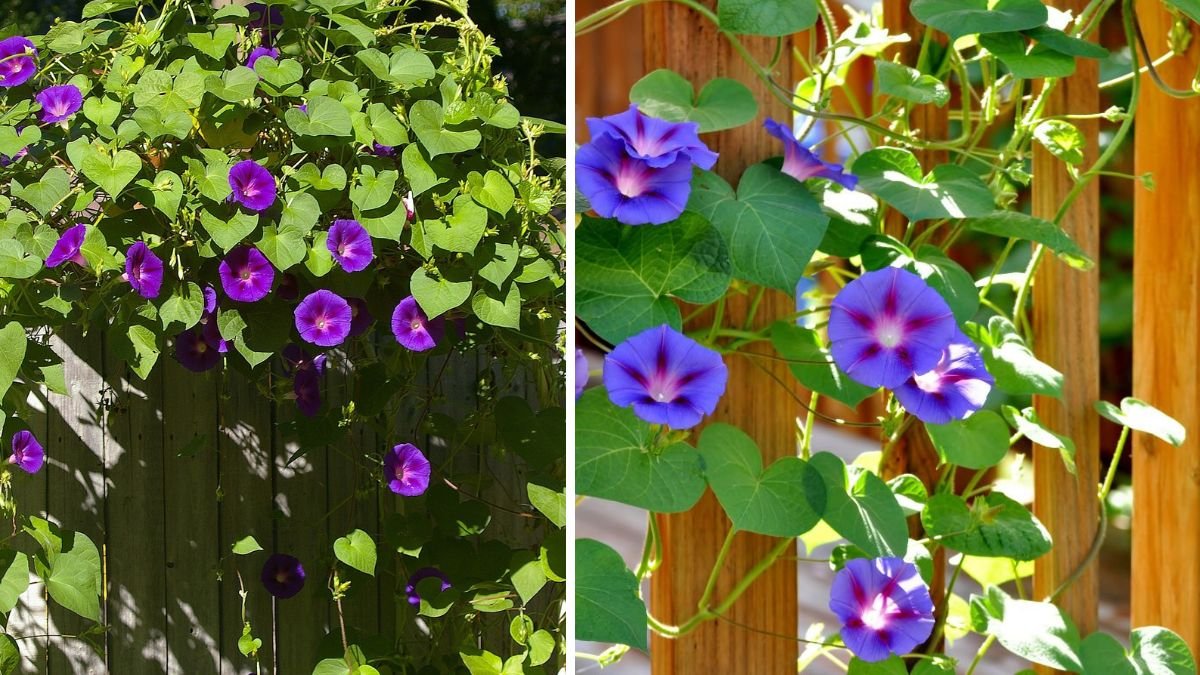
Morning glories (Ipomoea spp.) are one of the most beloved flowering vines, known for their stunning blooms and vigorous growth. These annuals can transform a drab garden into a vibrant haven with their vibrant colors, ranging from blue and purple to red and white. In this article, we will explore how to cultivate a beautiful mix of morning glory varieties in your garden, ensuring that your outdoor space is a delightful display of nature’s artistry.
Understanding Morning Glories
Species and Varieties
Morning glories belong to the Convolvulaceae family, featuring over 1,000 species. The most commonly grown varieties for ornamental purposes are:
- Ipomoea tricolor: Known for its striking blue, pink, and white flowers.
- Ipomoea purpurea: Features classic purple flowers with a star-shaped form.
- Ipomoea nil: Known as the Japanese morning glory, it offers a variety of colors, including dark blue and red.
- Ipomoea hederifolia: Produces smaller, trumpet-shaped flowers, often in red or pink.
Growth Requirements
Morning glories thrive in warm weather and require:
- Sunlight: Full sun for at least six hours a day.
- Soil: Well-drained, slightly acidic to neutral pH (6.0-7.0).
- Water: Regular watering, especially in dry spells, but avoid waterlogged conditions.
Planning Your Color Palette
Selecting Varieties
To create a beautiful mix of colors, select a variety of morning glory species. Aim for a combination of shades to achieve a pleasing color palette. Here are some suggestions:
- Blues and Purples: Mix varieties like Ipomoea purpurea and Ipomoea tricolor for a calming effect.
- Reds and Pinks: Ipomoea hederifolia offers stunning red flowers, while pink cultivars like Ipomoea nil can add a soft touch.
- Whites and Creams: White morning glories can provide contrast amidst the vibrant colors. Consider Ipomoea alba for nighttime blooms.
Planning Your Layout
Before planting, visualize your layout. Group morning glories by color for striking sections or intermingle varieties for a more natural look. Consider:
- Height: Taller varieties like Ipomoea purpurea can be placed at the back, with shorter types in the front.
- Structure: Morning glories are vines; ensure they have ample support, such as trellises, fences, or arbors.
Preparing the Soil
Soil Testing
Before planting, conduct a soil test to determine pH and nutrient content. Local agricultural extensions often provide testing services. Based on the results, amend the soil accordingly.
Amending the Soil
- Organic Matter: Incorporate compost or well-rotted manure to improve soil health and drainage.
- pH Adjustment: If needed, sulfur can be added to lower pH, while lime can be used to raise it.
Tilling the Soil
Use a garden fork or tiller to work the soil to a depth of about 12 inches. Break up any clumps and ensure the soil is loose to facilitate root growth.
Planting Morning Glory Seeds
When to Plant
Morning glory seeds should be sown after the last frost date in your area. Generally, aim for late spring to early summer when soil temperatures reach 60°F (16°C) or higher.
Seed Preparation
Morning glory seeds have a hard outer coating, so it’s beneficial to scarify them by gently rubbing with sandpaper or soaking them in water for 24 hours before planting. This will enhance germination rates.
Sowing Seeds
- Depth: Sow seeds about 1 inch deep.
- Spacing: Space seeds approximately 6-12 inches apart, depending on the variety’s growth habit.
- Watering: After sowing, water lightly to keep the soil moist but not soggy.
Caring for Your Morning Glories
Watering
Morning glories prefer consistently moist soil, especially during their initial growth phase. Water when the top inch of soil feels dry. Once established, they are somewhat drought-resistant, but regular watering during dry spells will help them flourish.
Fertilization
- Initial Fertilization: Apply a balanced fertilizer at planting time to encourage healthy growth.
- Ongoing Fertilization: A light application of a slow-release fertilizer can be beneficial every 4-6 weeks during the growing season.
Pruning
Regular pruning helps maintain shape and encourages new growth:
- Pinching: Pinch back the tips of young plants to promote bushier growth.
- Removing Spent Blooms: Deadheading will encourage continued blooming and a longer flowering season.
Training and Supporting Your Vines
Providing Support
Morning glories are climbers; they require support to thrive:
- Trellises: Wooden or metal trellises work well, allowing plants to climb and spread.
- Fences: Morning glories can weave through fences, providing an attractive way to cover unsightly structures.
Training Techniques
- Twining: Allow the vines to naturally twine around the support.
- Guiding: If the vines lose their way, gently guide them back onto the support.
Enhancing the Garden Design
Companion Planting
Integrate morning glories with complementary plants. Consider:
- Nasturtiums: Their brightly colored flowers contrast well with morning glories.
- Sunflowers: Tall sunflowers provide height and visual interest alongside morning glories.
Color Blocking
Use color blocking techniques by grouping morning glories of similar colors together while ensuring diversity across your garden.
Seasonal Interest
Plant a mixture of summer and fall-blooming varieties to extend the visual appeal throughout the season.
Troubleshooting Common Issues
Pests and Diseases
Morning glories are generally hardy but can be susceptible to pests and diseases:
- Spider Mites: May cause curling leaves; treat with insecticidal soap.
- Powdery Mildew: Ensure adequate air circulation and remove any affected leaves.
Weeds
Weeds can compete for nutrients and water. Regularly check and remove weeds from around your morning glories, especially when they are young.
Environmental Stress
Monitor for signs of stress, such as yellowing leaves or wilting. Adjust watering or pruning as necessary.
Harvesting Seeds for Future Gardens
Morning glories are prolific seed producers. To collect seeds for next year:
- Monitor Seed Pods: Wait until they dry and turn brown.
- Harvest Time: Cut pods and allow them to fully dry before cracking them open to retrieve the seeds.
- Storage: Store seeds in a cool, dry place until planting season.
FAQs
1. How long does it take for morning glory seeds to germinate?
Morning glory seeds typically take about 7 to 14 days to germinate, depending on temperature and moisture levels.
2. Can morning glories grow in containers?
Yes, morning glories can thrive in containers. Ensure the container is large enough (at least 12 inches deep) and provide a sturdy support structure.
3. Are morning glories invasive?
Some species of morning glory can be invasive in certain areas. It’s essential to choose non-invasive varieties and monitor their growth in your garden.
4. Do morning glories attract pollinators?
Yes, morning glories are known to attract bees, butterflies, and hummingbirds, making them beneficial for pollinator gardens.
5. Can morning glories survive winter?
Morning glories are typically grown as annuals in most climates. However, in warmer zones, certain species may survive the winter.
6. Are morning glories edible?
While some parts of morning glory plants may have medicinal uses, they can also be toxic if ingested in large quantities. Always consult a reliable source before consuming any wild plant.
Conclusion
Cultivating a beautiful mix of morning glory varieties can infuse your garden with vivid colors and lovely shapes, creating an enchanting display. By understanding their growth requirements, selecting a diverse range of colors, and providing proper care, you can enjoy these stunning vines year after year. Whether you’re looking to cover a trellis, fence, or simply add a burst of color to your outdoor space, morning glories are an excellent choice for any gardener.