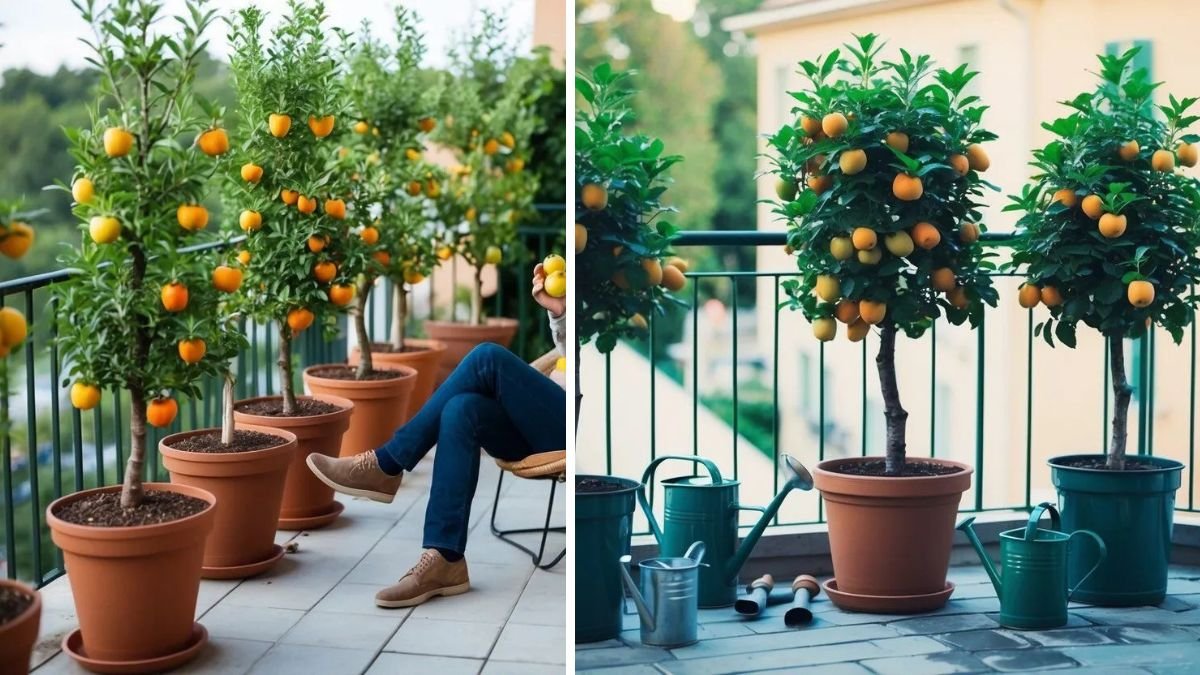
Growing pear trees on your balcony can be a rewarding experience, offering both beauty and the delight of harvesting fresh fruit. With a bit of creativity and attention to detail, you can enjoy the charm of a tree without needing a sprawling garden. This article will explore various methods and considerations for successfully cultivating pear trees in your balcony space, ensuring you get the most out of your urban garden.
Understanding the Basics of Pear Trees
Types of Pear Trees:
Before diving into your growing options, it’s essential to understand the types of pear trees available. Generally, pear trees fall into two categories:
- European Pears (Pyrus communis): These tend to have a classic pear shape and are commonly grown for fruit production.
- Asian Pears (Pyrus pyrifolia): These are round and have a crunchier texture. They are often referred to as “apple pears.”
For smaller spaces, particularly balconies, consider dwarf or semi-dwarf varieties, which maintain a manageable size while still producing delicious fruit.
Choosing the Right Variety:
Look for varieties specifically suited for container gardening, such as:
- ‘Kiefer’: Known for its disease resistance and tasty fruit.
- ‘Patten’: An excellent choice for a small tree that bears large fruit.
- ‘Hood’: Produces juicy, sweet pears and has a compact growth habit.
Container Gardening Basics
Selecting the Right Container:
The first step in growing pear trees on your balcony is choosing the appropriate container. Here are key considerations:
- Size: Opt for a pot that is at least 18 to 24 inches in diameter. The depth should be similar to accommodate the root system.
- Material: Terracotta is a popular choice due to its breathability, but plastic pots are lightweight and retain moisture better.
- Drainage: Ensure your pot has drainage holes. Poor drainage can lead to root rot, which is detrimental to the tree’s health.
Soil Requirements:
Choose a high-quality potting mix that offers good drainage. You may also want to blend in some compost to provide nutrients. A slightly acidic to neutral pH (6.0 to 7.0) is ideal for pear trees.
Location and Sunlight
Optimal Positioning:
Pear trees require full sunlight for at least six hours a day to thrive. When selecting a spot on your balcony:
- Avoid Shade: Ensure that your tree isn’t overshadowed by buildings or other structures.
- Wind Protection: Balconies can be windy; position your tree near a wall or barrier for protection.
Using Vertical Space:
Maximize your balcony’s potential by utilizing vertical space. Consider the following suggestions:
- Tiered Plant Stands: Create levels for multiple containers, ensuring each set has adequate access to sunlight.
- Wall-mounted Planters: Install planters along a railing or wall to save floor space.
Training Your Pear Tree
Pruning and Shaping:
To maintain a manageable size and promote healthy growth, regular pruning is vital. Ideal times for pruning are late winter or early spring before new growth begins. Focus on:
- Removing dead or diseased branches.
- Encouraging a central leader to maintain an upright growth habit.
- Shaping the tree to allow sunlight penetration and air circulation.
Espalier Techniques:
Espaliering is a method where trees are trained to grow flat against a wall or trellis. This can be particularly useful on a balcony where space is limited.
- Support Structure: Install horizontal wires anchored to your balcony wall.
- Tie Branches: As the tree grows, tie the branches to the wires, pruning them to maintain space between them.
Care and Maintenance
Watering:
Consistent moisture is essential, especially in containers. However, overwatering can cause root problems, so aim to water when the top inch of soil feels dry. Establishing a regular watering schedule, especially during dry spells, is key.
Fertilization:
Feed your pear trees with a balanced fertilizer in early spring and again in midsummer. Look for a slow-release formula or an organic option such as compost or well-rotted manure to encourage healthy growth without chemical buildup.
Pest and Disease Management:
Regularly inspecting your trees for signs of pests or diseases can prevent larger issues. Some common threats include:
- Aphids: These small insects can weaken your tree. A spray of water or insecticidal soap can help manage them.
- Pear Scab: A fungal disease that can affect fruit production. Good air circulation and proper pruning can help reduce the incidence.
Harvesting Your Pears
Knowing When to Harvest:
Timing is critical when it comes to harvesting pears. Pears often ripen off the tree. Look for slight color changes and then gently twist the fruit to see if it comes off easily. Most varieties ripen in late summer through early fall.
Creative Ideas for Balcony Pear Trees
1. Edible Landscape Design
Combine your pear trees with other edible plants such as herbs, tomatoes, or strawberries. This not only maximizes the use of your balcony space but also creates an attractive and functional garden.
2. Decorative Screen
Use your pear trees as a natural privacy screen. Arrange them along the edges of your balcony to create a lush, green barrier.
3. Seasonal Décor
Enhance your balcony with seasonal decorations. In spring, adorn your trees with lights or flowering plants, and in autumn, add pumpkins or gourds around the base for a festive touch.
4. Vertical Urban Orchard
Create a “mini-orchard” with dwarf pear trees arranged in a staggered manner to promote airflow. This can be both visually appealing and practical, allowing easy access for harvesting.
5. Pairing with Companion Plants
Planting companion plants not only enhances aesthetics but can also promote pollination. Consider flowers like lavender or bee balm that attract beneficial pollinators.
Conclusion
Growing pear trees on your balcony can transform a small space into a fruitful oasis. With the right variety, care, and creative approaches, you can enjoy the benefits of home gardening without requiring extensive land. Whether you desire the aesthetic appeal or the joy of harvesting your pears, patience and attention to your trees will yield delicious rewards.
FAQs
1. Can I grow pear trees in small pots?
Yes, dwarf and semi-dwarf varieties are ideal for container gardening. Just ensure the pot is large enough and has good drainage.
2. How often should I water my pear tree?
Water when the top inch of the soil feels dry. The frequency may vary based on weather conditions.
3. How do I prevent diseases in my pear tree?
Regularly inspect your trees, ensure good airflow, and practice proper pruning to reduce the likelihood of diseases such as pear scab.
4. What is the best time to prune pear trees?
The best time to prune is late winter or early spring before new growth begins.
5. How can I attract pollinators to my balcony garden?
Planting companion flowers like lavender or bee balm near your pear trees can attract bees and other beneficial insects.
6. When should I harvest my pears?
Pears are typically harvested in late summer through early fall when they show color changes and can be twisted off easily from the tree.
By following these guidelines and embracing creativity, you can successfully grow pear trees on your balcony, enrich your urban living experience, and enjoy the fruits of your labor!