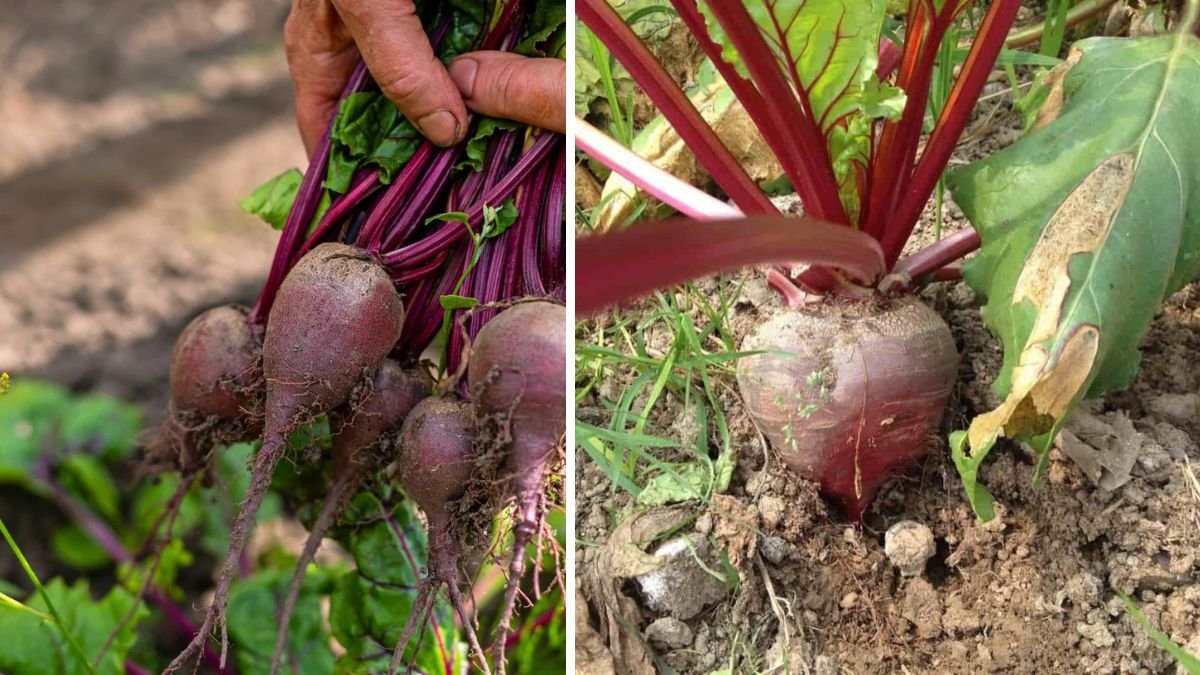
Growing your own beet leaves in pots is an excellent way to enjoy this nutritious green vegetable right at home. Beet leaves, also known as beet greens, are packed with vitamins and minerals and can be used in salads, stir-fries, and more. This comprehensive guide will cover everything from selecting the right pots to choosing ideal soil, watering techniques, and harvesting, ensuring you get the maximum yield from your beet leaves.
Introduction to Beet Leaves
Beet leaves are the leafy portion of the beetroot plant, distinguished by their vibrant green color and a slightly bitter taste. They are a rich source of vitamins A, C, and K, as well as iron, calcium, and antioxidants. Growing them in pots is particularly beneficial for those with limited garden space or who live in urban settings.
Why Grow Beet Leaves?
-
Nutritional Value: Beet greens are an excellent addition to a healthy diet, offering essential nutrients.
-
Space Efficiency: Growing in pots allows you to maximize the use of available space, making it ideal for balconies or patios.
-
Continuous Harvest: By planting at different times, you can enjoy beet greens throughout the growing season.
Choosing the Right Pot
Selecting the appropriate pot is crucial for maximizing the yield of your beet leaves. Here are key factors to consider:
1. Size
Choose a pot that is at least 12 inches deep and wide. Beet greens have deep, well-developed roots that require ample space to grow. A larger pot can accommodate multiple plants, increasing your yield.
2. Material
Pots come in various materials such as plastic, clay, and metal. While clay pots allow for better air circulation, they can dry out quickly. Plastic pots retain moisture better and are lightweight, making them easier to move around.
3. Drainage
Ensure that your pots have adequate drainage holes at the bottom. This prevents waterlogging, which can lead to root rot.
Soil Requirements
The type of soil you use can significantly affect the growth of your beet leaves. Here’s what to keep in mind:
1. Type of Soil
Opt for a high-quality potting mix combined with compost. This mixture provides nutrients essential for beet greens.
2. pH Level
Beets prefer a slightly acidic to neutral pH range, around 6.0 to 7.0. You can test the soil pH with a kit from your local gardening store.
3. Nutrients
Incorporate organic fertilizers or slow-release granular fertilizer into the soil when planting. This gives your beet leaves a nutritional boost to grow strong and healthy.
Planting Beet Leaves
1. Best Time to Plant
Beet leaves can be planted in early spring or late summer. If you live in a warmer climate, you can plant them in the fall.
2. Seed Selection
Choose a variety suited for leaf production over root development. Varieties like ‘Detroit Dark Red’ or ‘Golden’, which focus on producing lush greens, are ideal.
3. Sowing Seeds
- Fill your pot with the prepared soil mix.
- Sow seeds about 1 inch apart, covering them with ½ inch of soil.
- Water gently, being careful not to displace the seeds.
4. Thin the Seedlings
Once seedlings reach about 2 inches tall, thin them out by cutting the weaker ones at soil level. Space the remaining plants about 4-6 inches apart to ensure they have room to grow.
Care and Maintenance
1. Watering
Beet leaves prefer consistently moist soil. Water them regularly, ensuring the top layer of soil remains damp but not soggy. During particularly hot weather, check daily to prevent drying out.
2. Sunlight
Ideal growth requires at least 6-8 hours of direct sunlight a day. If your pots are located in a shady area, consider moving them to a brighter spot.
3. Fertilization
Fertilize your plants every four to six weeks using a balanced fertilizer. A nitrogen-rich fertilizer encourages lush leaf growth, while a balanced one helps sustain overall health.
4. Pest and Disease Management
Beet greens can be susceptible to pests like aphids and beet leaf miners. Regularly inspect your plants for signs of infestation. You can use insecticidal soap or neem oil to manage pests organically.
5. Disease Prevention
Ensure proper air circulation by avoiding overcrowding and removing any dead or damaged leaves. This will minimize the risk of fungal diseases.
Harvesting Beet Leaves
1. When to Harvest
You can begin to harvest beet leaves when they are about 4-6 inches tall, usually around 4-6 weeks after planting. Regular harvesting encourages new growth.
2. How to Harvest
- Use scissors or garden shears to cut leaves from the outside of the plant.
- Leave the inner leaves intact to promote continued growth.
- Only harvest what you need to ensure a sustainable crop.
3. Continued Growth
After harvesting, make sure to provide adequate care so that your beet greens can grow back. It’s possible to get multiple harvests from the same plant throughout the season.
Tips for Maximum Yield
- Rotate Your Crops: If you plan to grow beet leaves consecutively, consider crop rotation to prevent soil nutrient depletion and disease.
- Companion Planting: Planting complementary crops like garlic or onions can deter pests and improve overall yield.
- Season Extension: Use row covers or cloches to extend your growing season into cooler months.
FAQ Section
1. Can I grow beet leaves indoors?
Yes, beet leaves can be grown indoors as long as they receive enough light, ideally through a south-facing window, or with the help of grow lights.
2. How often should I water my beet leaves?
Water your beet leaves whenever the top inch of soil feels dry. During hot weather, daily watering may be necessary.
3. Can I eat beet leaves raw?
Absolutely! Beet leaves can be eaten raw in salads or lightly sautéed. They are nutritious and add a nice touch to various dishes.
4. What pests should I be aware of when growing beet leaves?
Common pests include aphids, beet leaf miners, and caterpillars. Regular inspection and organic pest control methods can help manage these issues.
5. What do I do if my beet leaves are growing slowly?
Slow growth can result from inadequate sunlight, poor soil quality, or lack of nutrients. Ensure the plants receive at least 6 hours of sunlight, use rich potting soil, and fertilize appropriately.
6. Can I grow beet leaves in winter?
In milder climates, you can grow beet leaves in winter with protection such as row covers. In colder areas, consider growing them indoors under grow lights.
7. How do I store harvested beet leaves?
Store beet leaves in the refrigerator in a perforated plastic bag. They are best used within a week for maximum freshness.
Conclusion
Growing beet leaves in pots is not only rewarding but also a valuable addition to your home garden. With the right pot, soil, and care, you can enjoy fresh, nutrient-rich greens all season long. Follow this guide to maximize your yield and grow healthy beet greens that can be enjoyed in a variety of culinary dishes. Happy gardening!