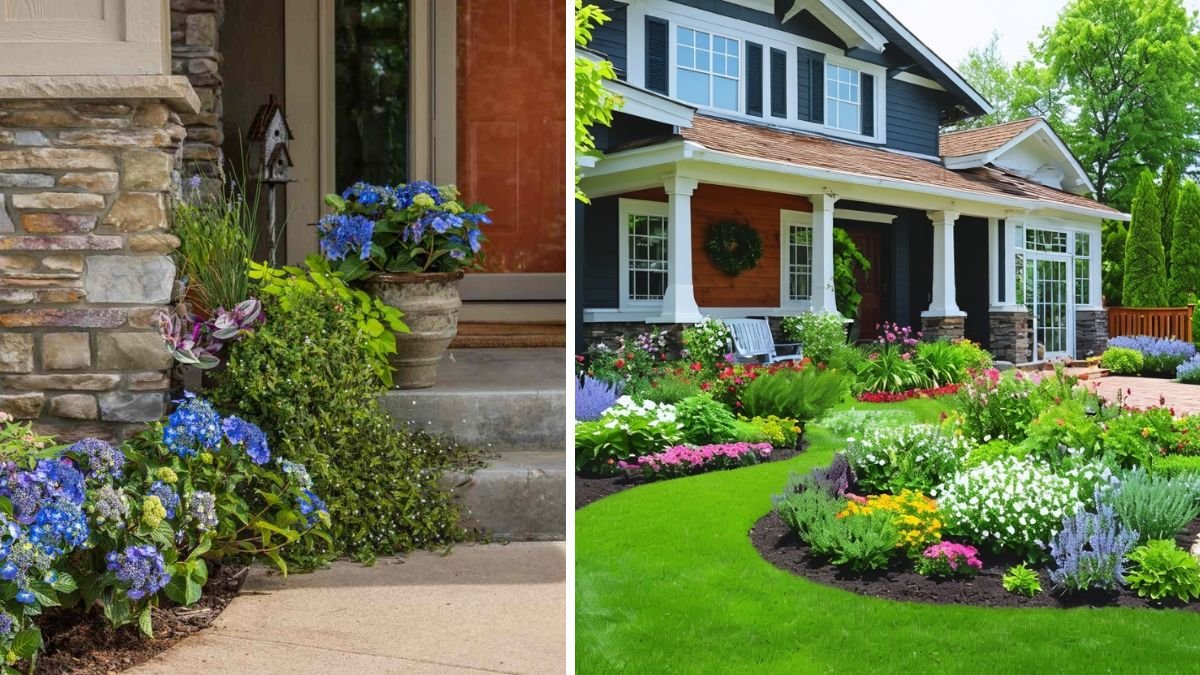
Creating a front yard that turns heads and invites admiration is achievable through the careful selection and cultivation of statement plants. These plants are bold, unique, and often provide striking visual impact, acting as focal points that elevate the overall aesthetic of your landscape. This article walks you through the process of transforming your front yard into a stunning oasis with statement plants, covering selection, care, and maintenance techniques.
Understanding Statement Plants
What Are Statement Plants?
Statement plants are exceptional specimens that draw attention due to their size, color, texture, or unique characteristics. They can be dramatic trees, colorful shrubs, or exotic flowering plants that serve as focal points in your landscape design. By employing these plants strategically, you can create a visually captivating environment that showcases your personal style.
Why Use Statement Plants?
- Visual Impact: Statement plants serve as a stunning backdrop or focal point, enhancing the overall landscape design.
- Personal Expression: The choice of statement plants allows you to reflect your personal style and preferences.
- Biodiversity: Incorporating diverse plant species can benefit local wildlife, providing shelter and food for various animals.
- Value Addition: A well-designed front yard with eye-catching plants can increase the property value.
Selecting the Right Statement Plants
Climate Considerations
Before selecting plants, understand your local climate, including temperature, rainfall, and soil type. Consult the USDA Plant Hardiness Zone Map to determine which plants thrive in your area.
Choosing Plants for Visual Impact
Consider the following types of plants that serve as excellent statement pieces:
-
Trees
- Japanese Maple: Known for its delicate leaves and vibrant colors, this small tree offers year-round interest.
- Magnolia: With its large, fragrant flowers, magnolia trees create a stunning focal point.
-
Shrubs
- Hydrangea: Known for its large, billowy flower heads, hydrangeas provide a show-stopping visual during the blooming season.
- Rhododendron: These shrubs have spectacular blooms and lush foliage, ideal for creating an eye-catching hedge.
-
Perennials
- Hosta: With their varied leaf shapes and colorful foliage, hostas are perfect for adding texture.
- Peonies: These plants bloom with large, fragrant flowers that add a luxurious feel to any garden.
-
Annuals
- Sunflowers: Tall and vibrant, sunflowers make a unique statement and are easy to grow.
- Zinnias: Offering a burst of color, zinnias are perfect for creating lively borders.
Color Scheme and Seasonality
Choose plants that complement each other based on color schemes and seasonal interest. Aim for a balance of blooming plants, foliage color, and contrasting textures to create visual intrigue year-round.
Designing Your Front Yard Oasis
Layout Planning
-
Create Focal Points: Place statement plants in key locations such as near the entrance path or at the center of your flower beds.
-
Layering: Use a mix of plant heights to create layers, with taller statement plants at the back or center, tapering down to smaller plants in the front.
-
Symmetry vs. Asymmetry: Decide whether you prefer a symmetrical design for a formal look or an asymmetrical layout for a more natural appearance.
Pathway Integration
Incorporate pathways that lead to your statement plants. Stone or gravel paths can enhance the overall aesthetic while guiding visitors through your garden.
Use of Hardscaping
Consider using hardscaping elements such as benches, statues, or decorative pots to accentuate your statement plants. These features invite viewers to linger and appreciate the beauty of your garden.
Planting Techniques
Soil Preparation
Good soil is key to healthy plants. Amend your soil with organic matter such as compost to improve drainage, fertility, and moisture retention.
Planting Steps
-
Digging the Hole: Ensure the planting hole is twice the width of the root ball but no deeper than necessary to avoid waterlogging.
-
Positioning: Place the plant in the hole, ensuring the root ball is level with or slightly above the surrounding soil.
-
Backfilling: Gently backfill with soil, avoiding compacting too tightly to ensure roots can grow easily.
-
Watering: Water the plants thoroughly after planting to help settle the soil.
Mulching
Apply a 2-3 inch layer of mulch around your plants to suppress weeds, retain moisture, and regulate soil temperature. Organic mulches, like wood chips or shredded leaves, can enhance soil structure as they decay.
Caring for Your Statement Plants
Watering
-
Frequency: New plants often require more frequent watering until established. Consistent moisture is crucial for healthy growth.
-
Method: Water at the base of the plants to direct moisture to the roots and avoid fungal diseases.
Fertilization
Use a balanced fertilizer during the growing season to provide essential nutrients. Follow the manufacturer’s instructions to prevent over-fertilization.
Pruning
Regular pruning encourages healthy growth, removes dead or diseased branches, and helps maintain shape. Prune during the appropriate season for your specific plants, usually in late winter or early spring.
Pest Management
Monitor your plants for signs of pests or diseases. Utilize organic pest control methods whenever possible to protect beneficial insects and maintain a healthy ecosystem.
Seasonal Maintenance
Spring
- Remove any winter debris and dead plant material.
- Apply mulch and fertilizer to encourage growth.
Summer
- Water regularly, especially during drought periods.
- Deadhead spent flowers to encourage new blooms.
Fall
- Trim back perennials and other plants as they die back.
- Apply winter mulch for insulation.
Winter
- Protect sensitive plants with burlap or frost cloth where needed.
- Plan for new plant additions or redesigns for the coming year.
Creating a Dynamic Landscape with Complementary Features
To enhance your statement plants, consider additional landscape elements:
- Water Features: A fountain or small pond can add tranquility and attract wildlife.
- Seating Areas: Create cozy spots with benches or chairs to enjoy the view.
- Lighting: Use landscape lighting to showcase your statement plants at night, creating a magical atmosphere.
FAQ Section
1. How do I select the right statement plants for my garden?
Consider your local climate, soil type, and the overall aesthetic you want to achieve. Research plants that thrive in your zone and complement one another based on color and texture.
2. Are statement plants difficult to maintain?
Maintenance varies by species, but many statement plants can thrive with regular care, including proper watering, pruning, and feeding.
3. When is the best time to plant statement plants?
Spring or early fall is typically the best time to plant, allowing roots to establish before winter or summer heat.
4. How can I ensure my statement plants survive through winter?
Consider choosing cold-hardy species, and provide insulation through mulch or protective coverings for more sensitive plants.
5. What are some common pests I should watch for?
Watch for aphids, spider mites, and caterpillars. Early detection and organic treatments can help to manage these pests effectively.
6. Can I create a statement garden on a budget?
Yes! Many statement plants can be grown from seeds or inexpensive cuttings. Shopping at local nurseries and attending plant swaps can also be economical.
Conclusion
Transforming your front yard into a stunning oasis with statement plants is a rewarding endeavor that combines creativity, planning, and care. By selecting the right plants, designing thoughtfully, and providing ongoing maintenance, your garden can become an extraordinary showcase of nature’s beauty. With patience and commitment, your outdoor space can evolve into a vibrant sanctuary that delights both you and your guests.