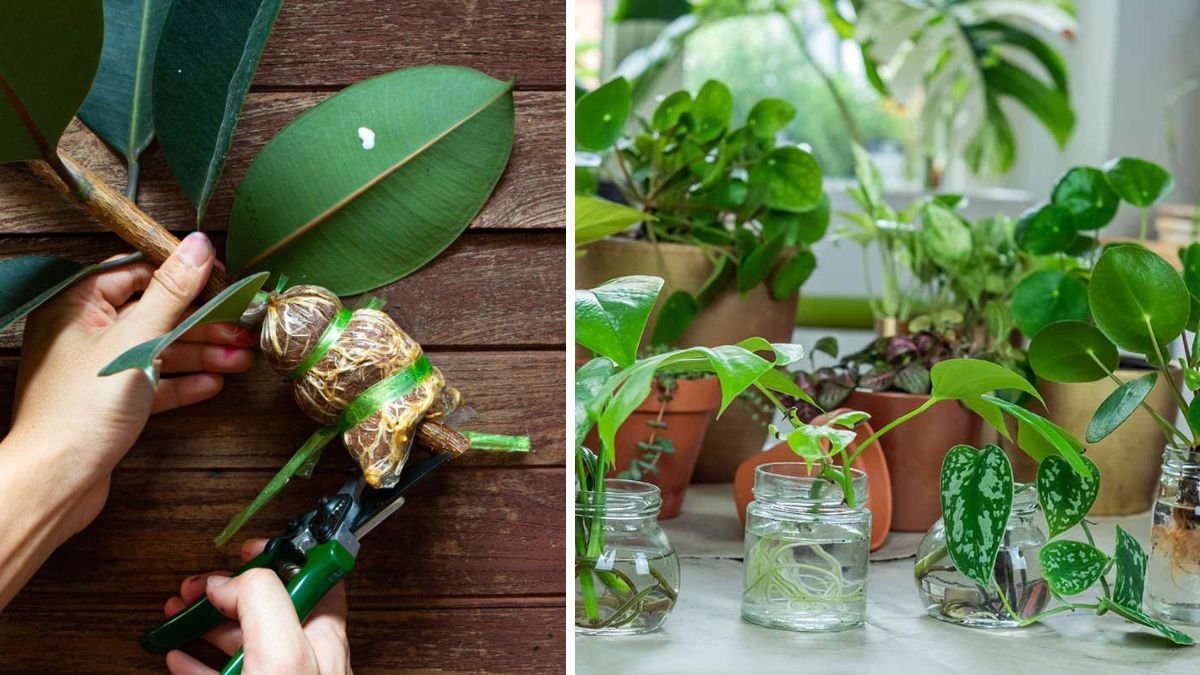
Ficus plants have long been beloved by indoor gardeners for their aesthetic appeal, air-purifying qualities, and ability to thrive in a variety of conditions. One of the most rewarding aspects of caring for these plants is propagating them, particularly through the method of water propagation. This article will guide you through the process of successfully propagating Ficus branches in water, ensuring your home is filled with lush greenery.
Understanding Ficus Varieties
Before delving into the propagation process, it’s important to understand the different types of Ficus plants. Common varieties include:
- Ficus elastica (Rubber Plant): Known for its glossy leaves and resilience.
- Ficus benjamina (Weeping Fig): A popular choice for its delicate, drooping branches.
- Ficus lyrata (Fiddle Leaf Fig): Renowned for its large, orchestral-shaped leaves.
Each type of Ficus has unique characteristics, but they all share a remarkable ability to root successfully in water, making them ideal candidates for propagation.
Why Propagate in Water?
Water propagation is simple, allowing you to observe the rooting process and ensure healthy growth. Some benefits include:
- Transparency: You can easily monitor the roots developing.
- Simplicity: It requires minimal materials.
- Low stress: This method is gentler on the cutting than soil propagation.
Materials Needed
To start your propagation journey, gather the following materials:
- Healthy Ficus Branches: Choose healthy branches with several leaves.
- Clean Water: Use distilled or filtered water to eliminate chemical contaminants.
- Container: A glass jar or vase is ideal for showcasing the roots.
- Knife or Scissors: Ensure they are sterilized to prevent infection.
- Light Source: A bright, indirect light source is crucial.
Step-by-Step Propagation Process
Step 1: Choose Your Cutting
Select the right branch from a healthy Ficus plant. Look for a segment that is around 6-8 inches long, featuring at least 2-3 leaves. Ensure the cutting includes healthy nodes because that’s where roots will emerge.
Step 2: Prepare the Cutting
-
Cutting Technique: Using sterilized scissors or a knife, make a clean cut below a node at a 45-degree angle. This increases the surface area for root development.
-
Remove Excess Leaves: Trim away any leaves from the lower half of the cutting to prevent decay in the water.
Step 3: Place in Water
-
Fill your container with enough clean water to submerge the node but not the leaves. Avoid using tap water if possible; chlorine or other chemicals can impede root growth.
-
Place the cutting in the container, ensuring it is stable and upright.
Step 4: Provide the Right Environment
-
Light: Position the container in bright, indirect sunlight. Avoid direct sunlight, which can be too harsh and may cause the cutting to dry out.
-
Temperature: Ficus prefers warm temperatures around 65-75°F (18-24°C). Make sure the location stays within this range.
Step 5: Change Water Regularly
To prevent bacterial growth:
-
Change the water every week or when it becomes murky.
-
Always rinse the cutting before reintroducing it to fresh water to minimize contaminants.
Step 6: Wait for Roots to Develop
-
Root Growth Timeline: Typically, you will start seeing roots within 2-4 weeks, although it might take longer depending on the species and environmental conditions.
-
Root Inspection: Once the roots reach about 2-3 inches in length, your cutting is ready for the next stage.
Step 7: Transition to Soil (Optional)
If you prefer, you can choose to keep the plant in water indefinitely, creating a unique display. If you want to transfer it to soil:
-
Select the Right Pot: Choose a pot with drainage holes to prevent water from pooling.
-
Use Potting Soil: Fill the pot with well-draining potting mix.
-
Planting Technique: Create a hole in the soil with your finger or a pencil, gently place the roots inside, and cover them with soil.
Step 8: Care for Your New Plant
-
Watering: Water the plant thoroughly after transplanting and then allow the top inch of soil to dry out before watering again.
-
Light Requirements: Continue to provide bright, indirect sunlight as the newly potted plant will need light for further growth.
-
Fertilizing: After a month of being in the soil, you can start fertilizing with a balanced water-soluble fertilizer, following package instructions for dilution and application frequency.
Tips for Successful Propagation
-
Seasonal Timing: Aim to propagate in spring or early summer when the plant is actively growing.
-
Use Multiple Cuttings: To improve the likelihood of success, consider propagating multiple cuttings simultaneously.
-
Humidity: If your environment is particularly dry, consider placing a plastic bag over the cutting (without touching it) to create a mini greenhouse effect. Remove it periodically to prevent mold.
-
Be Patient: Rooting can take time. Don’t be discouraged if roots take a while to emerge.
Troubleshooting Common Issues
-
Discoloration: If the cutting yellow or blackens, it may be too moist. Ensure that the node is submerged but not the leaves.
-
Root Rot: Change water regularly, and ensure that the cutting is healthy and not sitting in stale water.
-
No Root Growth: Inadequate light or cold temperatures can delay root growth. Adjust conditions as necessary.
Frequently Asked Questions (FAQs)
1. Can I propagate a Ficus branch in soil instead of water?
Yes, you can propagate in soil, but water allows for easier monitoring of root development.
2. How long does it take for Ficus cuttings to root in water?
It typically takes 2-4 weeks, but it can vary based on the cutting and environmental conditions.
3. What should I do if my cutting develops mold?
Trim away any moldy areas, change the water, and place the cutting in a location with better air circulation.
4. Is it normal for some leaves to drop off during propagation?
Yes, it’s common for some leaves to drop as the cutting focuses energy on developing roots.
5. Can I propagate multiple Ficus varieties in the same container?
It’s best to propagate different varieties in separate containers to tailor conditions for their specific needs.
6. How can I tell if the roots are healthy?
Healthy roots are typically white or light tan and firm to the touch. Avoid cuttings with brown, mushy roots.
7. Do I need to use rooting hormone?
Using rooting hormone can enhance rooting success, but it’s not necessary for Ficus cuttings.
8. What if my cutting doesn’t root at all?
If your cutting fails to root after several weeks, it may be best to try again using a different branch.
Conclusion
Propagating Ficus branches in water is a gratifying and relatively simple process that can expand your indoor garden significantly. By following the steps outlined in this guide—choosing the right cutting, providing the appropriate care, and monitoring their progress—you’ll be well on your way to cultivating a thriving collection of Ficus plants. Happy gardening!