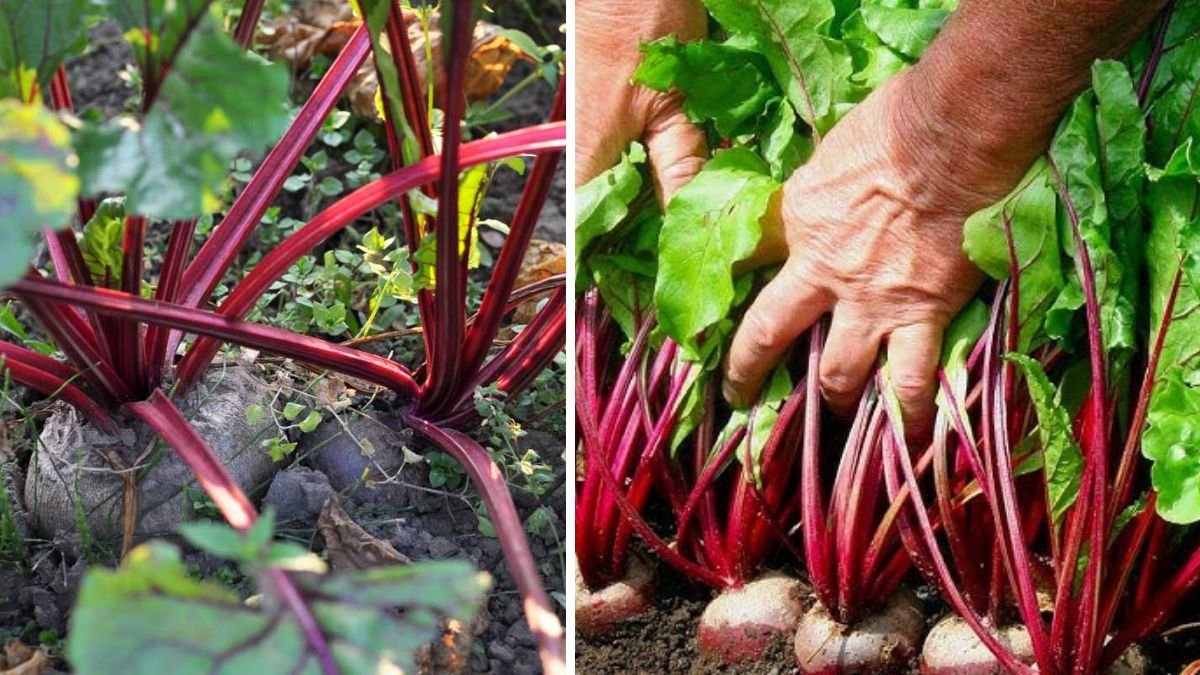
Growing your own vegetables not only provides fresh produce for your meals but also connects you deeply to the rhythms of nature. One often-overlooked leafy green is beet greens. Typically, many gardeners focus on the roots of the beet (Beta vulgaris), but the greens are equally nutritious and can be grown without the need to cultivate the roots. This guide will explore the secrets to successfully cultivating beet greens in your home garden, offering simple techniques, tips, and an FAQ section to answer common concerns.
Understanding Beet Greens
Beet greens are the leaves of the beet plant. They can be harvested at various stages of growth, providing flexibility in your gardening approach. Unlike root cultivation, which often requires a longer timeline, growing beet greens can be quick and rewarding. These greens are packed with vitamins A, C, and K, along with several essential minerals and antioxidants, making them a nutritious addition to salads, soups, and stir-fries.
Benefits of Growing Beet Greens
Nutritional Value
Beet greens are health powerhouses, containing more nutrition than the roots in some cases. They are rich in:
- Vitamins A, C, and K
- Iron
- Calcium
- Antioxidants
- Fiber
Continuous Harvest
Unlike root vegetables, which require longer growing periods and can only be harvested once, beet greens can be gathered continuously. This enables home gardeners to enjoy a steady supply of greens throughout the growing season.
Compact Size
Beet greens are well-suited for smaller gardens or container gardening due to their compact nature. You can easily grow them in pots, making them an ideal choice for urban gardening.
Eco-Friendly
Growing your own beet greens reduces your carbon footprint as you won’t need to rely on store-bought greens that require transportation, packaging, and refrigeration.
Steps to Successfully Grow Beet Greens
1. Selecting the Right Variety
When choosing beet greens for your garden, consider these popular varieties:
- Chioggia: Known for its striking red and white concentric rings, this variety produces tender greens.
- Bull’s Blood: This variety has dark red foliage and a flavorful taste, making it a favorite among gardeners.
- Golden Beet: Though more commonly grown for its roots, the greens are sweet and tender.
2. Preparing the Soil
Beet greens thrive in well-draining soil enriched with organic matter. Here’s how to prepare your soil:
- Location: Choose a spot that receives full sun to partial shade (at least 4-6 hours of sunlight per day).
- Soil Testing: Conduct a soil test to check pH levels; a pH of 6.0 to 6.8 is ideal.
- Amendments: Incorporate compost or well-rotted manure to enhance soil fertility. This provides essential nutrients for optimal growth.
3. Sowing Seeds
Beet greens can be grown from seeds or transplants:
- Direct Sowing: Plant seeds about ½ inch deep and 1-2 inches apart in rows that are 12-18 inches apart. Thin them out when they reach about 2 inches in height, leaving space for optimal growth.
- Starting Indoors: If you prefer starting indoors, sow the seeds in seed trays 4-6 weeks before the last expected frost. Transplant them when they are about 3-4 inches tall.
4. Watering and Maintenance
Beet greens require consistent moisture, but avoid overwatering, as soggy soil can lead to root rot. Here are some tips for effective maintenance:
- Ideal Watering Schedule: Water deeply once a week, ensuring the soil remains moist but not waterlogged.
- Mulching: Apply a layer of organic mulch to retain moisture and suppress weeds.
- Fertilization: Use a balanced fertilizer or liquid compost every few weeks to encourage healthy growth.
5. Pest Management
While beet greens are generally resistant to pests, it’s essential to keep an eye out for the following:
- Aphids: Small insects that suck sap from the leaves. Use insecticidal soap or neem oil if you notice an infestation.
- Leaf Miners: These pests create tunnels in the leaves. Remove affected leaves to minimize spread.
6. Harvesting
Harvesting beet greens can be done throughout the growing season. Follow these steps to ensure you get the best quality:
- Timing: Once the leaves are about 4-6 inches long, you can start harvesting.
- Method: Use scissors to cut outer leaves, allowing inner leaves to continue growing. This process can promote further growth and a continuous supply of greens.
- Storage: Rinse the greens, pat them dry, and store them in an airtight container in the refrigerator for up to a week.
Common Problems and Solutions
1. Yellowing Leaves
Cause: This often occurs due to overcrowding, lack of nutrients, or inconsistent watering.
Solution: Ensure adequate spacing, provide balanced fertilization, and maintain consistent moisture in the soil.
2. Bitter Taste
Cause: Hot weather can cause beet greens to taste bitter.
Solution: Try growing them in partial shade during the hottest months or harvest them earlier when they are still young and tender.
3. Wilting Leaves
Cause: This is usually a sign of underwatering or extreme heat.
Solution: Increase your watering frequency, especially during hot weather.
FAQs
Q1: Can I grow beet greens in containers?
A: Yes, beet greens grow well in containers. Ensure your container has good drainage and is at least 6-8 inches deep.
Q2: Do beet greens require a lot of sunlight?
A: Beet greens prefer full sun but can tolerate partial shade. Ideally, they should get 4-6 hours of sunlight daily.
Q3: How long does it take to grow beet greens?
A: Beet greens can be harvested within 30-45 days from sowing, depending on the variety and growing conditions.
Q4: Can I eat beet greens raw?
A: Yes, beet greens can be eaten raw in salads, though they are also delicious when cooked lightly.
Q5: How often should I water beet greens?
A: Water deeply once a week, ensuring the soil remains moist but not soggy.
Q6: Are there any special pests I need to worry about?
A: While beet greens are relatively pest-resistant, watch for aphids and leaf miners. Use organic pest control methods if necessary.
Q7: Can I save beet leaf seeds for next season?
A: Yes, you can save seeds from your healthiest plants. Allow them to flower and dry out before collecting the seeds.
Conclusion
Cultivating beet greens without the need for roots is a fantastic way to enjoy nutritious food in your home garden. By following the steps outlined in this guide—from selecting the right variety to understanding pest management—you can enjoy a sustainable, eco-friendly source of greens year-round. Beet greens not only offer culinary versatility but also enrich your gardening experience. So why wait? Start your beet greens garden today and reap the numerous rewards of gardening!