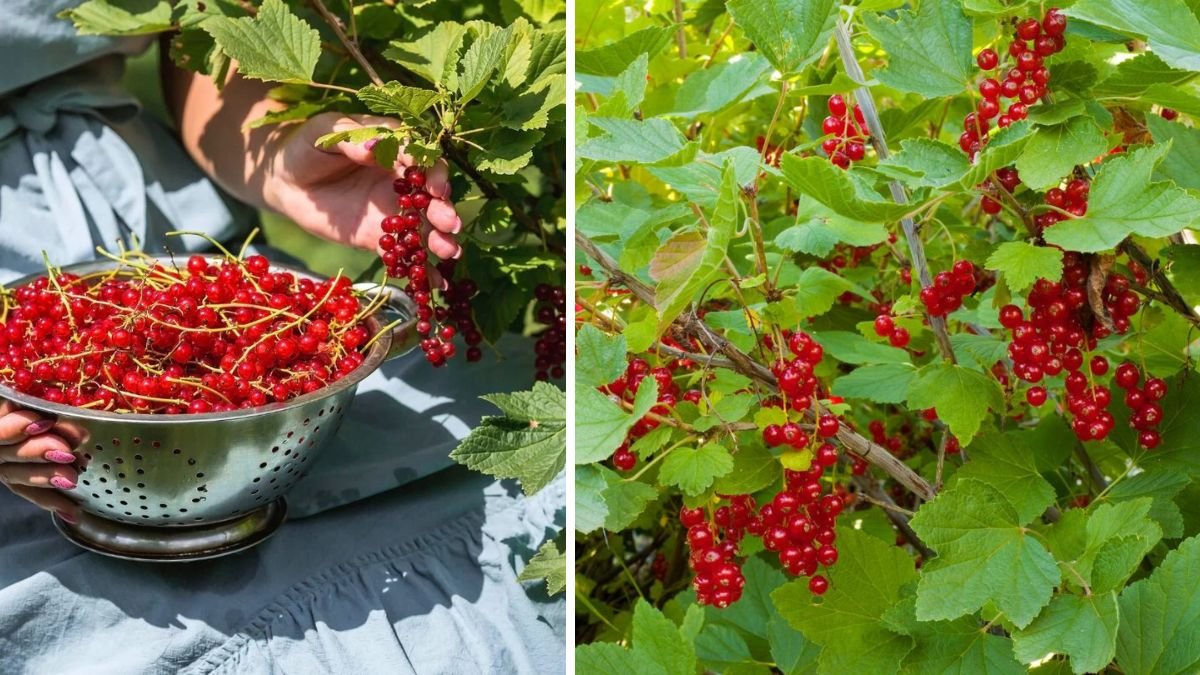
Growing currants in container gardens is a rewarding endeavor that brings the beauty of fresh berries and the joy of home gardening right to your patio or balcony. Currants are hardy shrubs that offer delicious, tart fruits, perfect for jams, jellies, and eating fresh. Container gardening provides flexibility, allowing you to control soil quality and move plants according to their light requirements. This article will guide you through the essentials of successfully growing currants in containers.
Understanding Currants
Types of Currants
Before diving into the cultivation process, it’s essential to understand the types of currants available:
- Red Currants (Ribes rubrum): These are the most popular, known for their bright color and tangy flavor.
- Black Currants (Ribes nigrum): Rich in antioxidants, these are commonly used in juices and syrups.
- White Currants (Ribes sativum): A sweeter variant, these are a result of selective breeding from red currants.
Ideal Growing Conditions
Currants thrive in temperate climates, requiring well-drained soil and a location with good sunlight. They prefer a pH level ranging from 6.0 to 6.5. While they can tolerate partial shade, full sunlight enhances their growth and fruit production.
Choosing the Right Container
Container Selection
Picking the right container is crucial for thriving currants. Consider the following:
- Size: A container should be at least 12-18 inches deep and wide, allowing for proper root growth. A 3 to 5-gallon container is ideal for one currant plant.
- Material: Opt for breathable materials like clay or fabric pots to prevent overwatering and root rot. Plastic containers are lightweight but may require more careful monitoring.
Drainage
Ensure your container has adequate drainage holes. Excess moisture can harm currant roots, so adding a layer of gravel at the bottom can help with drainage.
Soil Preparation
Ideal Soil Mix
Currants prefer a loamy, well-drained soil mix enriched with organic matter. A good potting mix consists of:
- Peat Moss or Coco Coir: For moisture retention and aeration.
- Compost: To provide essential nutrients.
- Perlite or Sand: To enhance drainage.
Soil pH Level
Testing your soil’s pH is crucial. Most garden centers offer simple soil test kits. If your soil is too acidic or alkaline, you can adjust it using lime or sulfur, respectively.
Planting Currants
Timing
The best time to plant currants is during early spring or late fall when the temperatures are cooler. This timing allows the plants to establish their root systems before the heat of summer.
Planting Technique
- Fill Your Container: Start with a well-prepared potting mix, leaving about an inch from the top.
- Plant Depth: Dig a hole in the center of the container deep enough to accommodate the root ball without bending the roots.
- Water: After planting, give your currant a thorough watering to settle the soil around the roots.
Watering and Fertilization
Watering
Currants require consistent moisture, especially during the fruiting stage. However, overwatering can damage roots. Here are some guidelines:
- Water when the top inch of soil feels dry.
- During hot periods, check the container daily; smaller containers may dry out faster.
Fertilization
- Timing: Apply a balanced, slow-release fertilizer in early spring when the plant begins to grow.
- Type: Look for fertilizers rich in potassium and phosphorus to encourage fruit development.
Pruning Currants
Importance of Pruning
Pruning helps maintain the health and productivity of currant plants. Here’s how to do it effectively:
- When to Prune: Late winter or early spring before new growth appears is ideal.
- What to Cut: Remove any dead or damaged wood, as well as any overcrowded branches. Aim for an open, airy shape, allowing light and airflow.
Maintenance Pruning
Annual pruning every year ensures stronger growth and better fruit yields.
Pest and Disease Management
Common Pests
Currants can be susceptible to pests like aphids and spider mites. Here’s how to manage them:
- Neem Oil: A natural pesticide that can deter pests without harming beneficial insects.
- Handpicking: Regularly inspect your plants and remove any visible pests.
Diseases
Fungal diseases like powdery mildew can affect currants. Preventive measures include:
- Good Air Circulation: Ensure proper spacing and pruning for airflow.
- Fungicides: Consider applying organic fungicides if diseases are detected.
Harvesting Currants
When to Harvest
Currants typically mature in mid to late summer. The berries change color, signaling their ripeness, usually around the time they become plump and slightly soft.
Harvesting Technique
- Gently Twist: Use your fingers to twist off the clusters of berries, being careful not to damage the plant.
- Frequency: Harvest regularly to encourage further fruit production.
Container Gardening Tips
Relocating Your Containers
One of the advantages of container gardening is mobility. If you notice that your currants are getting too much or too little sunlight, you can easily relocate them to a more suitable spot.
Grouping Containers
Place your currant containers together with other containers to create a micro-climate. This can help retain moisture and maintain a more consistent temperature throughout the day.
Season Extension
If you live in a cooler climate, consider bringing your containers indoors or into a greenhouse during harsh weather to extend the growing season.
FAQs
1. How much sunlight do currants need?
Currants prefer full sun but can tolerate partial shade. Aim for at least 4-6 hours of direct sunlight daily for optimal fruit production.
2. Can I grow currants indoors?
Yes, you can grow currants indoors, provided you have adequate light. Consider using grow lights if natural sunlight is insufficient.
3. How often should I fertilize my currants?
Fertilize once in early spring with a balanced fertilizer. You can apply a second dose mid-summer if needed.
4. Can I grow multiple types of currants in one container?
It’s best to give each type of currant its own container to ensure they have enough space for root development and to minimize competition.
5. What are the signs of overwatering?
Yellowing leaves, root rot, and a lingering sour smell from the soil are signs of overwatering. Ensure that your pot has proper drainage.
6. How long will it take for my currants to bear fruit?
Typically, currants will start producing fruit in their second or third year after planting.
7. Are currants self-pollinating?
Yes, currants are self-pollinating, so you only need one plant for fruit production.
Conclusion
Growing currants in container gardens is a delightful way to enjoy a fruitful harvest with minimal space constraints. With the right container, suitable soil, proper care, and regular maintenance, you can cultivate healthy currants that provide fresh berries for years to come. Happy gardening!