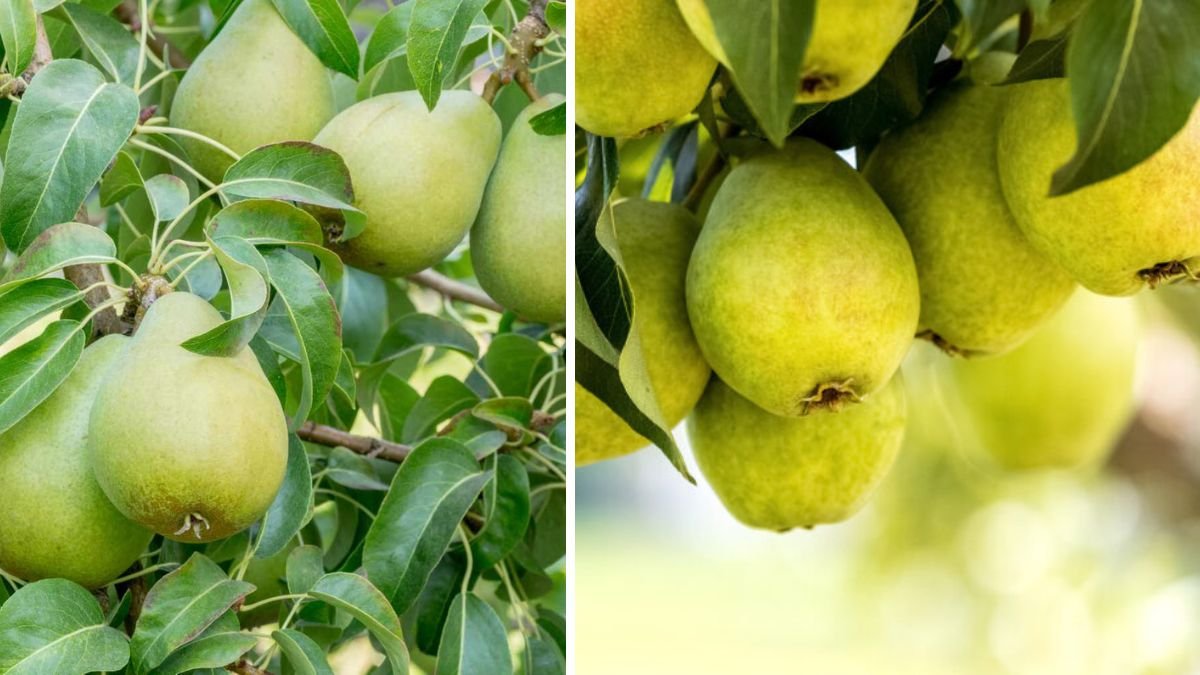
Growing dwarf pear varieties in your backyard garden can be a rewarding experience. These compact trees are perfect for small spaces while still providing delicious fruit. This guide will help you understand the benefits, the best varieties to choose, and the essential care they require for optimal growth and fruit production.
Why Choose Dwarf Pears?
Dwarf pear trees are an excellent choice for several reasons:
-
Space Efficiency: Dwarf varieties typically reach heights of 4 to 8 feet, making them easier to fit into limited spaces like urban gardens or small backyards.
-
Ease of Harvesting: Their shorter stature means less bending and stretching when it’s time to harvest, making the process more accessible for people of all ages.
-
Ornamental Value: Dwarf pear trees not only produce fruit but also offer beautiful blossoms in spring, providing aesthetic value to your garden.
-
Early Fruit Production: Many dwarf varieties begin to bear fruit earlier than standard-sized trees, allowing you to enjoy your harvest within a few years of planting.
-
Practical Care: Dwarf trees are generally easier to prune and maintain, making them suitable for novice gardeners.
Popular Dwarf Pear Varieties
Several dwarf pear varieties are widely appreciated for their taste, size, and ease of care. Here are some noteworthy options:
-
Dwarf Bartlett Pear: Known for its sweet and juicy flavor, this variety produces pale yellow fruits with a slightly blushed skin. It’s great for fresh eating and can be used in preserves.
-
Dwarf Anjou Pear: This variety is recognized for its smooth, green skin and sweet, buttery flesh. Anjou pears are excellent for eating fresh and cooking.
-
Dwarf Kiefer Pear: A cross between the European and Asian pears, Kiefer pears are hardy and disease-resistant. They are perfect for enjoying fresh or in desserts.
-
Dwarf Harrow Sweet Pear: This variety is known for its unique sweetness and is great for eating fresh. It also has a lovely shape, making it a wonderful ornamental choice.
-
Dwarf Tsu Li Pear: An Asian variety, Tsu Li pears are exceptionally crisp and sweet, making them a favorite for fresh eating.
Planting Dwarf Pear Trees
Choosing the Right Location
Selecting the right spot for your dwarf pear tree is crucial for its growth and productivity:
-
Sunlight: Choose a site that receives at least 6-8 hours of direct sunlight each day, as pear trees thrive in sunny conditions.
-
Soil Type: Well-draining soil enriched with organic matter is ideal. Aim for a pH level between 6.0 and 7.0.
-
Air Circulation: Ensure sufficient spacing around your tree to promote air flow, reducing the risk of fungal diseases.
Planting Steps
-
Soil Preparation: Before planting, amend the soil with organic compost to enhance nutrient content and drainage.
-
Digging the Hole: Dig a hole that is twice as wide as the root ball but no deeper than the tree’s root system.
-
Positioning the Tree: Place the tree in the hole, ensuring that the graft union—where the dwarf rootstock meets the cultivar—is level with the ground.
-
Backfill and Water: Fill in the hole with soil, gently patting it down to eliminate air pockets. Water the tree thoroughly after planting.
-
Mulching: Apply a layer of mulch around the base to retain moisture and suppress weeds.
Care and Maintenance
Watering
Dwarf pear trees require consistent moisture, especially during their initial growth phase:
-
Regular Watering: Water the sapling weekly during dry spells. Mature trees typically need deep watering every two weeks.
-
Drought Tolerance: While established trees are somewhat drought-tolerant, they will perform best with regular moisture.
Fertilizing
Proper nutrition is vital for healthy growth and fruit production:
-
Early Spring Fertilization: Use a balanced fertilizer (like 10-10-10) in early spring when new growth begins.
-
Avoid Over-Fertilization: Too much nitrogen can cause excessive leafy growth at the expense of fruit production.
Pruning
Pruning encourages healthy growth and fruit production:
-
Timing: Prune in late winter or early spring before the buds swell.
-
Techniques: Remove dead or crossing branches, and thin out crowded areas to allow sunlight to penetrate.
Pest and Disease Management
Dwarf pear trees can be susceptible to pests and diseases. Here’s what to look out for:
-
Pests: Common pests include pear psyllids and aphids. Natural remedies such as neem oil can be effective.
-
Diseases: Watch for signs of fire blight, a bacterial disease that can affect pear trees. Promptly remove infected branches to prevent spread.
Encouraging Pollination
Most dwarf pear varieties require cross-pollination for better fruit set:
-
Planting Multiple Trees: Consider planting two or more varieties to facilitate cross-pollination.
-
Bee Attractants: Grow flowering plants nearby to attract pollinators.
Harvesting Dwarf Pears
Determining the right time to harvest is essential for enjoying the best flavor:
-
Skin Color Change: Monitor the fruits as they mature. A change in skin color (e.g., from green to yellow) often indicates ripeness.
-
Fruit Firmness: Gently squeeze the pears; they should give slightly when fully ripe.
-
Harvest Time: Pears ripen best off the tree. Harvest them when slightly firm, and allow them to ripen at room temperature.
FAQs
Q1: When is the best time to plant dwarf pear trees?
A1: The best time to plant dwarf pear trees is in early spring or fall when the soil is workable, and the risk of frost has passed.
Q2: How long do dwarf pear trees take to bear fruit?
A2: Dwarf pear trees usually begin to produce fruit in 3 to 5 years after planting, depending on the variety and care provided.
Q3: Do dwarf pear trees need a lot of space?
A3: Dwarf pear trees are suitable for small spaces, typically requiring 3 to 5 feet of space between each tree to allow for optimal growth and air circulation.
Q4: How can I tell if my dwarf pear tree is healthy?
A4: A healthy dwarf pear tree should have vibrant green leaves, a strong structure, and no signs of disease or pest damage. Regular new growth each spring is also a good indicator.
Q5: Can I grow dwarf pears in containers?
A5: Yes, dwarf pear trees can be successfully grown in large containers with well-draining soil. Ensure proper watering and fertilization as container-grown plants may need more frequent care.
Q6: What do I do if my tree has fire blight?
A6: If your tree shows signs of fire blight, immediately prune the infected branches 8-12 inches below the infected area and disinfect your tools to prevent spreading the bacteria.
Q7: Are there any specific pruning techniques I need to follow?
A7: Use clean, sharp tools and prune to maintain an open center for sunlight penetration, remove dead or infected branches, and thin excessive branches to encourage air circulation.
Conclusion
Growing dwarf pear trees in your backyard garden is a delightful and fruitful endeavor. With the right care, they can thrive and produce delicious pears for years to come. Whether you are a seasoned gardener or a beginner, dwarf pear varieties offer a manageable and rewarding gardening experience. For a successful harvest, remember to choose the right variety, provide proper care, and enjoy the beauty and bounty of your fruitful trees. Happy gardening!