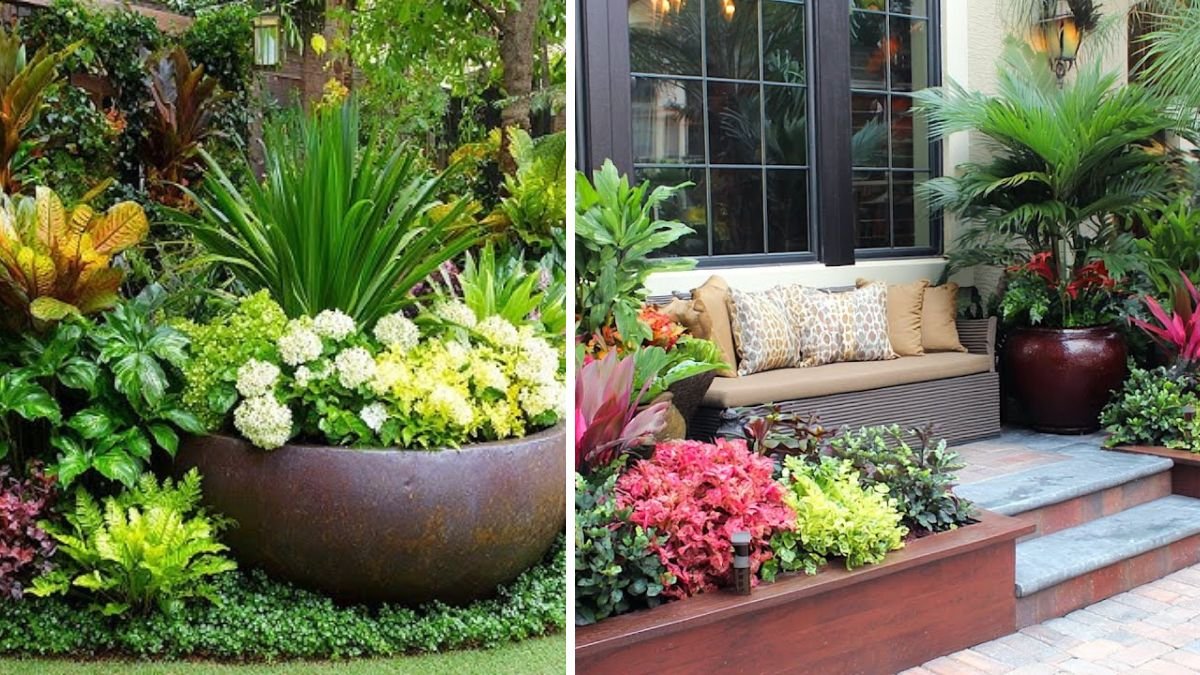
Creating a lush tropical oasis in your backyard is a dream that many homeowners share. Imagine stepping into your personal paradise, surrounded by vibrant foliage, the soothing sounds of water, and perhaps even the refreshing scent of exotic flowers. Thankfully, transforming your outdoor space into a tropical retreat doesn’t require a degree in landscape architecture or a massive budget. With a little creativity, planning, and care, you can create a beautiful green haven that rivals any beachside resort. Here’s how to bring your tropical vision to life, step by step.
1. Understand Your Space
Before diving into the actual creation of your tropical oasis, it’s essential to evaluate your backyard. Consider the following aspects:
a. Climate
Understanding your local climate is crucial. Tropical plants thrive in warm, humid environments, but that doesn’t mean you can’t create a tropical feel in varied climates. Research plants that can withstand your area’s temperature range.
b. Sunlight and Shade Patterns
Observe how sunlight travels through your backyard throughout the day. Certain plants require full sun, while others thrive in partial shade. Take note of areas that receive the most sunlight and those that remain shaded.
c. Space Dimensions
Measure your yard to understand how much area you have for planting and landscaping. This will help you gauge how many plants you can fit and where to place them for optimal visual impact.
2. Choose Your Plants Wisely
Selecting the right plants is the cornerstone of creating your tropical oasis. Here are some plant types you might consider:
a. Trees and Palms
Creating height and structure is vital. Tropical trees like the Areca Palm and Royal Palm can give your oasis that quintessential tropical look. Consider planting a few to add shade and create a vertical element in your garden.
b. Foliage Plants
Bold, large-leafed plants are iconic in a tropical setting. Varieties like Monstera, Philodendron, and Elephant Ear (Alocasia or Colocasia) can provide the lush green backdrop you’re after.
c. Flowering Plants
Consider adding colorful flowers to enhance the visual appeal of your oasis. Hibiscus, Bird of Paradise, Bougainvillea, and Plumeria are eye-catching choices that thrive in warm climates.
d. Ground Cover
Tropical ground covers like Creeping Thyme or various ferns can fill gaps and add texture while also helping to retain moisture in the soil.
3. Hardscaping Elements
No tropical oasis feels complete without well-thought-out hardscaping. Here are some elements to consider:
a. Pathways
Create pathways using natural stone, gravel, or wooden decking. These walkways can guide visitors throughout your oasis and provide a serene space to stroll.
b. Water Features
The sound of flowing water is incredibly relaxing and is often associated with tropical retreats. Consider installing a small pond, fountain, or waterfall.
c. Seating Areas
Create dedicated spaces to relax and enjoy your oasis. Use natural materials for seating, such as wooden benches or hammocks, to enhance the tropical feel.
d. Privacy Features
Install bamboo screens or trellises to create secluded spots within your oasis. Such features not only provide privacy but also contribute to the overall aesthetic.
4. Incorporate Accessories and Decor
Adding personal touches will help enhance the tropical vibe. Here are some ideas:
a. Garden Lighting
Solar-powered lights can illuminate your oasis in the evenings, highlighting pathways, plants, and water features. String lights or lanterns can create a magical ambiance.
b. Decorative Elements
Tropical decor such as wooden sculptures, tiki torches, or vibrant garden art can provide a fun, whimsical touch.
c. Furniture
Opt for comfortable, weather-resistant outdoor furniture that complements the tropical aesthetic. Look for materials like wicker or teak for a cohesive look.
d. Plant Containers
Choose pots and containers that resonate with the tropical theme. Materials like bamboo, terracotta, or textured ceramics can add character.
5. Care and Maintenance
To keep your tropical oasis thriving, regular maintenance is essential. Here are some tips:
a. Watering
Tropical plants often require more water than drought-resistant plants. Ensure adequate irrigation without overwatering. Consider using drip irrigation to deliver moisture directly to the roots.
b. Fertilization
Regular fertilization can promote healthy growth. Use organic fertilizers that align with the needs of the specific plants in your oasis.
c. Pruning
Keep your foliage healthy and tidy by regularly pruning dead or overgrown branches. This will also promote better air circulation.
d. Pest Management
Be vigilant about pests that may invade your tropical paradise. Employ natural methods of pest control when possible, like introducing beneficial insects.
6. Seasonal Adjustments
Living in a climate with distinct seasons means you may need to adjust your plant choices accordingly. Here are some things to remember:
a. Indoor Planting
In colder months, consider bringing potted tropical plants indoors or to a greenhouse to protect them from frost.
b. Seasonal Plant Rotation
For those who want to maintain visual interest year-round, consider rotating seasonal plants in and out of your garden.
c. Winterization
In regions with harsh winters, certain trees or shrubs may need protection. Use burlap or mulch to insulate more delicate plants.
7. Create a Relaxing Atmosphere
Finally, a tropical oasis should be a place of relaxation and peace. Here are ways to promote a calming environment:
a. Sound Elements
Incorporate sound elements like wind chimes or a small water feature. The soothing sounds contribute to a tranquil atmosphere.
b. Aromatherapy
Introducing fragrant plants like Jasmine or Gardenia can enhance the sensory experience of your oasis.
c. Zen Spaces
Include areas dedicated to relaxation, meditation, or yoga. A small deck or a cozy nook can serve as an ideal spot to unwind.
8. FAQs
Q1: How much does creating a tropical oasis cost?
The cost can vary significantly based on the size of your space and the plants you choose. Simple DIY projects can start at a couple of hundred dollars, while larger, more intricate designs could go into the thousands.
Q2: What are the best tropical plants for colder climates?
Some hardy plants that can survive in cooler temperatures include the Japanese Maple, certain types of ferns, and some varieties of palms, like the Windmill Palm.
Q3: How can I attract birds and butterflies to my oasis?
Planting nectar-rich flowers and ensuring a water source (like a birdbath) can attract birds and butterflies. Additionally, offering native plants will encourage local wildlife.
Q4: Can I create a tropical oasis on a small balcony?
Absolutely! Use containers to maximize space and choose smaller plants. Vertical gardening techniques can also help you create a lush environment in limited square footage.
Q5: Do I need a landscape designer?
While a professional can help, many homeowners successfully create a tropical oasis on their own by planning carefully and using resources available online or at local gardening centers.
Q6: How often should I water my tropical plants?
Watering frequency depends on the plant type and climate. Generally, tropical plants prefer consistently moist soil but not soggy conditions. Always check the soil moisture before watering.
In conclusion, transforming your backyard into a tropical oasis is an enjoyable project that can yield beautiful results. By understanding your space, choosing the right plants, incorporating hardscaping elements, and providing regular care, you can craft a lush paradise that’s perfect for relaxation and enjoyment. With patience and creativity, your dream tropical retreat is just a few steps away!