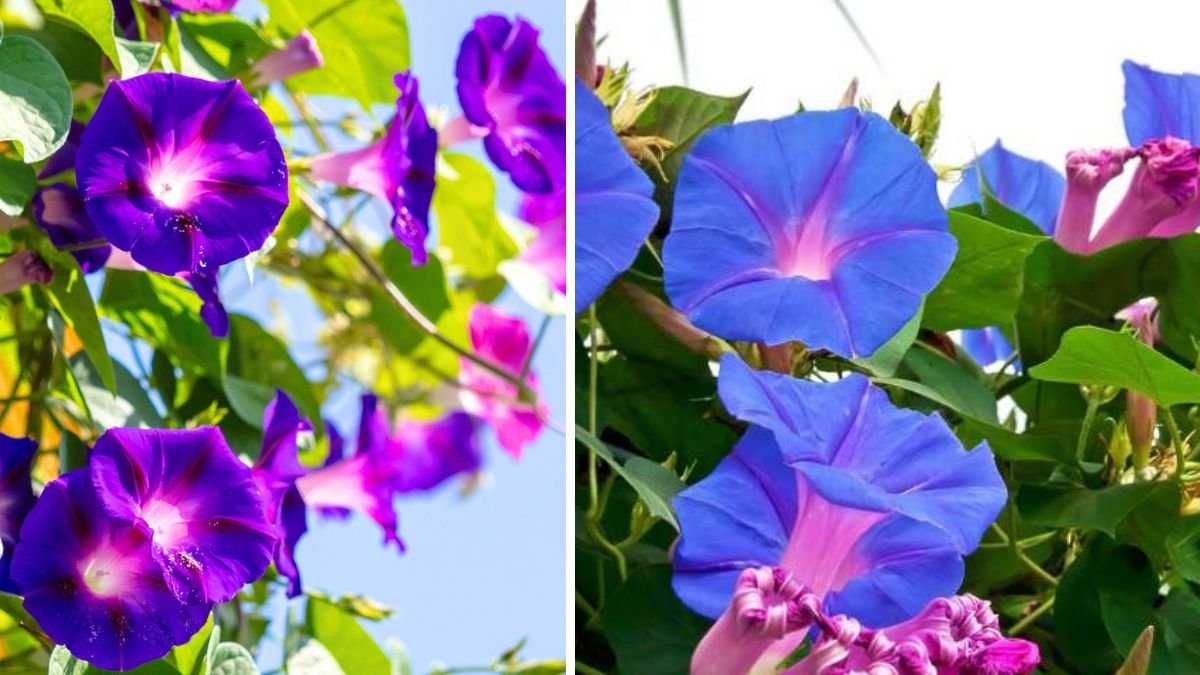
Morning Glory vines, renowned for their vibrant, trumpet-shaped flowers and rapid growth, are a staple in many summer gardens. Whether you’re aiming to create a colorful trellis display or simply want to enjoy their beauty, cultivating these versatile plants can be incredibly rewarding. This guide will walk you through everything you need to know about planting, nurturing, and maintaining Morning Glory vines, making them a stunning addition to your garden.
Understanding Morning Glory
What Are Morning Glory Vines?
Morning Glories belong to the Convolvulaceae family and are characterized by their heart-shaped leaves and stunning flowers. The blooms come in various colors, including blue, purple, pink, and white, each producing a striking display that attracts pollinators such as bees and butterflies.
Varieties of Morning Glory
Though there are many species, the most commonly grown in gardens include:
- Ipomoea purpurea (Common Morning Glory): Known for its climbing ability and a range of colors.
- Ipomoea tricolor (Tropical Morning Glory): Features bright blue flowers and a bushier growth habit.
- Ipomoea nil (Japanese Morning Glory): Often grown for its ornamental purposes, with lavish blooms and intricate patterns.
Cultivation Basics
Choosing the Right Location
Morning Glories thrive in full sun, needing at least 6-8 hours of direct sunlight daily for optimal growth and flowering. Look for a spot that gets ample sunlight and has enough vertical space for the vines to climb.
Soil Requirements
These vines prefer well-draining soil that is a mix of loamy and sandy textures. Although they can tolerate poor soil, enrich the planting area with compost to ensure they receive adequate nutrients.
Planting Morning Glory Vines
-
Timing: Plant Morning Glory seeds after the last frost in spring, as they thrive in warm temperatures.
-
Seed Preparation: Soaking seeds in warm water for 24 hours can enhance germination. The seeds have a hard outer shell, and soaking helps them absorb moisture more effectively.
-
Sowing: Plant seeds about 1/4-1/2 inch deep in the soil with a spacing of 6-12 inches between each seed. If starting indoors, transplant them once they have reached a few inches in height and all frost danger has passed.
Providing Support
Morning Glory vines are natural climbers. Install a trellis, fence, or lattice for them to climb upon as they grow. Ensure the structure is sturdy enough to hold their weight and allow the vines to wrap around them easily.
Care and Maintenance
Watering
Morning Glories prefer moist soil but are drought-tolerant once established. Water them regularly, especially during dry spells. Aim for soil that is evenly damp but not waterlogged, to prevent root rot.
Fertilization
Apply a balanced, slow-release fertilizer at the beginning of the growing season to promote robust growth. Avoid over-fertilizing, as this can lead to lush foliage at the expense of blooms.
Pruning and Deadheading
To encourage more blooms and control growth, prune the vines throughout the growing season. Deadheading, the process of removing spent flowers, will also stimulate new growth and increase flowering.
Pests and Diseases
Morning Glory vines are relatively pest-resistant, but they can face challenges such as aphids and spider mites. Regular checks for these pests and the application of insecticidal soap can help manage infestations. Diseases like powdery mildew may occur in humid conditions; ensure good air circulation around the plants.
Extending the Bloom Season
To help prolong the blooming period of your Morning Glory vines, consider the following tips:
- Staggered Planting: Plant different varieties with varying bloom times to provide continuous color throughout the summer.
- Regular Fertilization: Continue fertilizing every few weeks with a water-soluble fertilizer to encourage blooming.
- Consistent Watering: Ensure the plants continue to stay hydrated through the summer months.
Harvesting Seeds
At the end of the growing season, once the blooms have faded, let the seed pods dry on the vine. Harvest the seeds for planting the following year. Store them in a cool, dry place to maintain viability, ensuring your Morning Glory garden continues year after year.
Companion Planting
Morning Glories grow well alongside other flowering plants, aiding in attracting beneficial insects. Effective companions include:
- Sweet Peas: Provide a beautiful contrast with their delicate flowers.
- Zinnias: Offer vibrant color and attract pollinators.
- Sunflowers: Their height and structure complement Morning Glories nicely.
FAQs
1. Can Morning Glory vines survive in shaded areas?
No, Morning Glory vines prefer full sun. They will still grow in partial shade but may not flower as profusely or vigorously.
2. Are Morning Glories annual or perennial?
Most varieties of Morning Glories are considered annuals, meaning they complete their lifecycle within one growing season. However, some can behave as perennials in warmer climates.
3. How can I prevent my Morning Glory from becoming invasive?
To prevent invasive growth, regularly prune the vines and deadhead flowers to reduce seed production. Consider container gardening to limit their spread.
4. What is the best way to propagate Morning Glory vines?
You can propagate Morning Glories through seeds or cuttings. For cuttings, take healthy stems, remove the lower leaves, and place them in water until roots develop.
5. When is the best time to plant Morning Glory seeds?
The best time to plant is after the last frost date in your area, typically in late spring. Soil temperatures should be consistently above 65°F (18°C) for optimal germination.
6. How often should I water my Morning Glory vines?
Water your Morning Glory plants regularly, providing about an inch of water per week. Adjust frequency based on weather conditions—more during hot, dry spells.
7. Can I grow Morning Glory in containers?
Yes! Morning Glories can be grown in containers as long as they have adequate support and access to full sun. Ensure the container has drainage holes to prevent waterlogging.
8. Do Morning Glories attract pollinators?
Yes, the colorful blooms of Morning Glory vines are known to attract bees, butterflies, and hummingbirds, making them an excellent choice for pollinator gardens.
Conclusion
Cultivating Morning Glory vines can transform your summer garden with their vivacious blooms and enchanting climbing habits. By understanding their needs in terms of sunlight, soil, water, and care, you can ensure a lush, thriving display that will bring joy to your outdoor space. Use this guide as your roadmap to success and enjoy the vibrant beauty of Morning Glory vines in your summer garden.