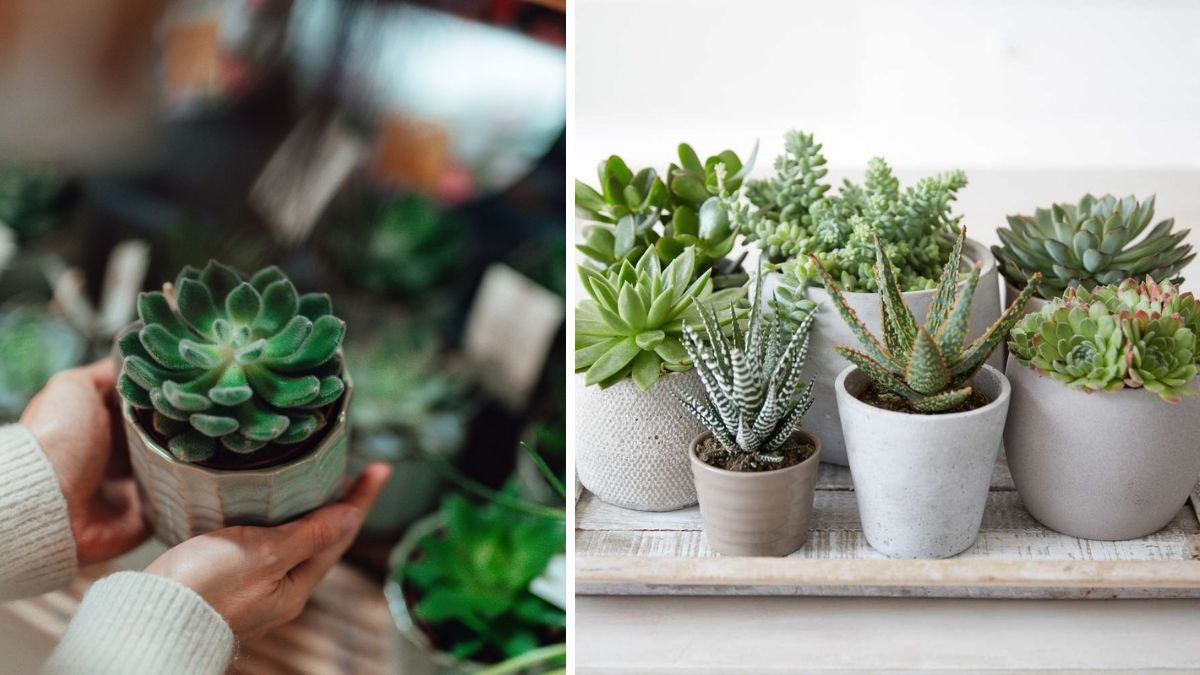
Succulents have taken the indoor gardening world by storm. Known for their striking shapes, vibrant colors, and low-maintenance requirements, they make excellent additions to any home or office. Among the various methods of displaying these charming plants, hanging arrangements stand out for their aesthetic appeal and space-saving benefits. In this guide, we will explore everything you need to know about growing beautiful hanging succulents indoors with minimal effort.
Understanding Succulents
What Are Succulents?
Succulents are succulent plants, meaning they have adapted to store water in their leaves, stems, or roots. This characteristic allows them to thrive in arid environments and store moisture, making them perfect for forgetful gardeners or those with busy lifestyles.
Why Choose Hanging Succulents?
Hanging succulents not only conserve space but also add a unique flair to your home. They can transform dull corners into green havens, and their cascading growth habit can create eye-catching displays. Adding a bit of height to your indoor garden can also give your space a more dynamic look.
Choosing the Right Succulents for Hanging
Not all succulents are suited for hanging arrangements. When selecting plants, consider the following:
Best Succulent Varieties for Hanging
- String of Pearls (Senecio rowleyanus): This delicate plant features trailing stems adorned with small, round leaves that resemble pearls.
- String of Bananas (Senecio radicans): Similar to String of Pearls, this variety has banana-shaped leaves and grows vigorously.
- Burro’s Tail (Sedum morganianum): Known for its long, trailing stems covered with fleshy, blue-green leaves, this plant can cascade beautifully.
- Trailing Jade (Crassula perfoliata var. falcata): This succulent features thick leaves and can grow long stems that drape elegantly.
- Hoya (Hoya spp.): Though not a traditional succulent, many Hoyas are water-efficient and produce beautiful blooms when cared for properly.
Where to Buy Succulents
You can find hanging succulents at local nurseries, garden centers, or online retailers specializing in plants. Ensure you purchase from reputable sources to avoid pests and diseases.
Essential Growing Conditions
Light Requirements
Succulents thrive in bright, indirect light. A south or east-facing window is ideal. If your space lacks sufficient natural light, consider using grow lights to provide the necessary conditions for healthy growth.
Soil
Use a well-draining soil mix specifically formulated for succulents and cacti. These mixes often contain perlite or pumice to enhance drainage. Avoid standard potting soil, as it retains too much moisture, leading to root rot.
Watering
Overwatering is a common mistake among succulent growers. It’s essential to adopt the “soak and dry” method:
- Soak: Water the plant thoroughly until water drains from the bottom of the pot.
- Dry: Allow the soil to dry out completely before watering again. Typically, this means watering every two to three weeks, depending on humidity and light conditions.
Humidity
Succulents prefer low-humidity environments, making them ideal for indoor settings. Keep them away from overly humid areas, such as bathrooms, unless they have ample ventilation.
Planting Your Hanging Succulents
Selecting the Right Containers
Choose containers with drainage holes to prevent water accumulation. Hanging baskets, macramé hangers, or any decorative pot that suits your style can work well.
Planting Process
- Fill the Container: Start by filling the bottom of the container with your well-draining soil mix.
- Arrange Plants: Before planting, arrange your succulents in the container to find a pleasing composition. Consider their growth habits and how they will trail over time.
- Planting: Gently plant each succulent, ensuring that the roots are covered and the base of the stems is at soil level. Firmly press the soil around each plant.
- Top Dressing: You may add decorative stones or pebbles on top of the soil for aesthetics and to help retain moisture.
Care and Maintenance
Fertilizing
Succulents require minimal fertilization. Use a diluted, balanced fertilizer during the growing season (spring and summer) to encourage healthy growth. Fertilize once every month or two, but avoid over-fertilizing, as this can harm the plants.
Pruning
Regularly prune your hanging succulents to maintain their shape and encourage bushier growth. Remove any dead or yellow leaves to promote healthier growth and prevent disease.
Pest Control
While succulents are generally resistant to pests, occasional infestations can occur. Keep an eye out for mealybugs, aphids, or spider mites. If you notice any pests, treat them promptly with insecticidal soap or neem oil.
Displaying Your Hanging Succulents
Placement Tips
- Hang your succulents in areas with adequate light, but avoid direct sunlight that can scorch the leaves.
- Consider mounting your hanging arrangements at different heights to create visual interest.
- Group different succulent varieties together for a dynamic display.
Seasonal Changes
As seasons change, your succulents may require adjustments in care. During winter, reduce watering frequency and ensure they receive enough light. If your home is heated, monitor humidity levels to prevent stress on the plants.
Troubleshooting Common Issues
Yellowing Leaves
- Causes: Overwatering or poor drainage.
- Solution: Adjust your watering schedule and ensure proper soil drainage.
Wilting or Drooping
- Causes: Underwatering or extreme heat.
- Solution: Water the plant thoroughly and check its exposure to direct sunlight.
Leggy Growth
- Causes: Insufficient light.
- Solution: Move the plant to a brighter location or supplement with grow lights.
FAQs About Growing Hanging Succulents
1. Can I grow hanging succulents in low light conditions?
While succulents can survive in lower light, they thrive in bright, indirect light. If your space lacks adequate sunlight, consider using grow lights to provide the necessary illumination.
2. How often should I water my hanging succulents?
Water every two to three weeks, allowing the soil to dry out completely between waterings. The frequency will depend on your home’s humidity and light conditions.
3. Do I need to fertilize my hanging succulents?
Succulents require minimal fertilization. During the growing season, use a diluted, balanced fertilizer once a month or every other month.
4. What should I do if my succulents get pests?
Treat any infestations promptly with insecticidal soap or neem oil. Regularly inspect your plants to catch issues early.
5. Can I propagate hanging succulents?
Yes! Many succulents can be propagated from leaf cuttings or offsets. Simply allow the cuttings to callous over before placing them in soil. Follow the same care guidelines for established plants.
Conclusion
Growing beautiful hanging succulents indoors is an enjoyable and rewarding experience. With the right plants, proper care, and a little creativity in displaying your arrangements, you can create a lush indoor garden that enhances your living space. Embrace the beauty of succulents and let their charm transform your home into a tranquil oasis of greenery!