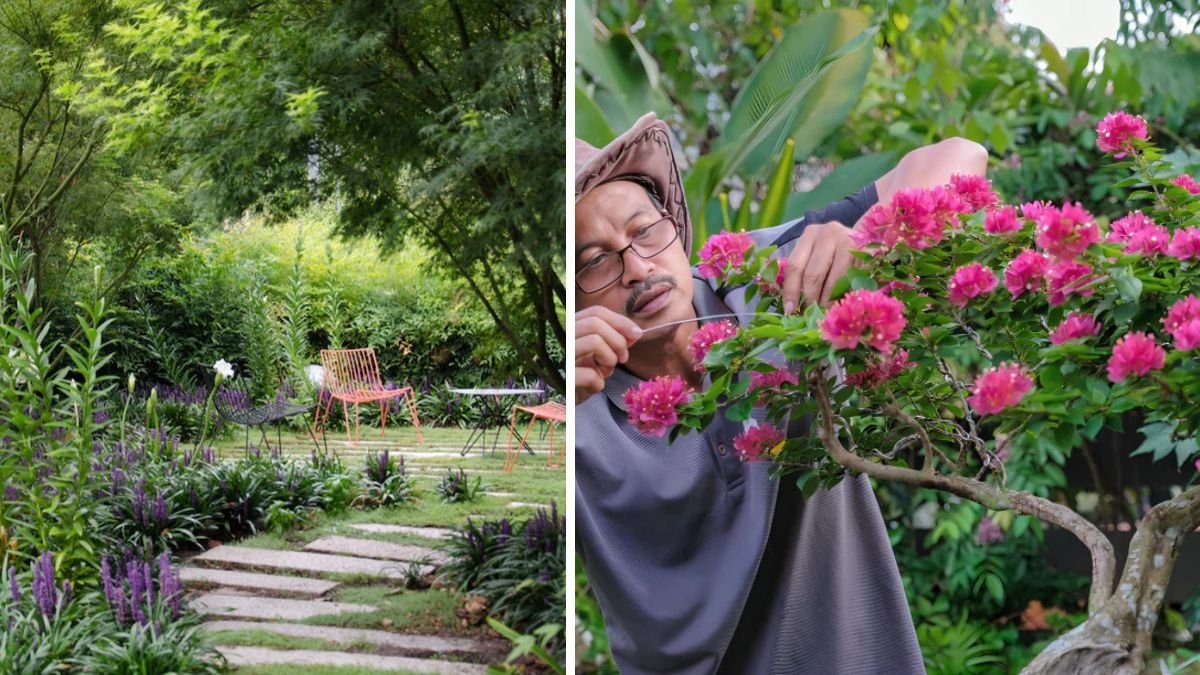
Gardening in India can be a rewarding endeavor, thanks to the diverse climate zones ranging from tropical to arid. If you’re looking to grow hardy outdoor plants that not only thrive in these conditions but also require minimal maintenance, this guide is tailored for you. Here, we’ll explore several hardy plant options, ideal planting techniques, care tips, and address some frequently asked questions.
Understanding India’s Climate Zones
India’s climate varies widely across different regions, influenced by geography, altitude, and proximity to water bodies. Broadly, one can categorize Indian climates into the following:
- Tropical: Found in southern and western regions, characterized by high humidity and temperatures.
- Semi-arid: Predominantly in the interior regions like parts of Maharashtra and Gujarat, often suffering from dry spells.
- Arid: Found in Rajasthan, characterized by extreme temperatures and low rainfall.
- Temperate: The northern states experience more seasonal changes, making a broader variety of plants adaptable.
Understanding these climate specifics can help in selecting the right plants that can thrive.
Selecting Hardy Outdoor Plants
1. Succulents and Cacti
- Description: Adapted to store water, making them perfect for arid and semi-arid areas.
- Examples: Aloe vera, Agave, Echinopsis.
- Care Tips: Water sparingly, particularly in winter. These plants prefer well-drained soil.
2. Ornamental Grasses
- Description: These plants add texture and movement to gardens.
- Examples: Fountain grass and Pampas grass.
- Care Tips: Tolerate drought and are best planted in well-draining soil with full sun.
3. Perennials
- Description: Plants that come back year after year, ensuring longevity in your garden.
- Examples: Daylilies, Coneflower, and Lavender.
- Care Tips: Regular pruning and deadheading will promote growth. Ensure they receive adequate sunlight.
4. Native Indian Plants
- Description: These plants are naturally found in India and are adapted to local conditions.
- Examples: Hibiscus, Bougainvillea, and Neem.
- Care Tips: Minimal care is needed. They thrive on local climate conditions and soil types.
5. Fruit-Bearing Trees
- Description: Hardy fruit trees can provide food along with aesthetic value.
- Examples: Guava, Pomegranate, and Indian Gooseberry (Amla).
- Care Tips: These trees usually require more space and bear fruit after a few years but are very rewarding.
6. Shrubs
- Description: Offer privacy and can be used for landscaping.
- Examples: Indian Jasmine, Marigold, and Croton.
- Care Tips: Regular watering and pruning help maintain shape and promote flowering.
Planting Techniques
1. Soil Preparation
- Testing: Before planting, test your soil for pH and nutrient content. Ideal soil for most hardy plants is well-draining with a pH between 6-7.
- Amending Soil: If your soil is too heavy, add organic matter like compost to improve drainage.
2. Choosing the Right Time to Plant
- Seasons: Seasonal planting depends heavily on local climate. Generally, the onset of the monsoon season (June to September) is ideal for planting hardy outdoor plants.
- Temperature: Avoid planting in extreme temperatures. For most areas, early spring or post-monsoon is suitable.
3. Plant Spacing
- Spacing: Be mindful of the space each plant requires for growth. Overcrowding can lead to competition for nutrients, water, and sunlight.
4. Watering Techniques
- Watering Schedule: Water newly planted seedlings frequently until they establish roots. Once established, reduce watering to encourage deeper root growth.
- Techniques: Drip irrigation is an effective method to conserve water while ensuring that each plant receives adequate moisture.
Care and Maintenance
1. Mulching
- Benefits: Applying a layer of organic mulch can help retain soil moisture, suppress weeds, and contribute nutrients as it decomposes.
- Materials: Use straw, leaves, or wood chips.
2. Fertilization
- Natural Fertilizers: Use organic fertilizers like compost or vermicompost to enrich the soil without the risk of chemical exposure.
- Timing: Fertilize at the beginning of the growing season and then every couple of months.
3. Pest Management
- Identification: Regularly check for signs of pests such as discolored leaves or webbing on plants.
- Organic Methods: Use neem oil or insecticidal soap to combat pests without harming beneficial insects.
4. Pruning
- Why Prune?: Pruning promotes healthy growth and flowering. It helps remove dead or diseased wood.
- When to Prune: Late winter or early spring is usually best for most hardy plants.
5. Monitoring Temperature
- Heat Protection: In extremely high temperatures, provide shade to vulnerable plants.
- Frost Protection: Cover sensitive plants during unexpected cold snaps, especially in northern regions.
FAQs
1. What are the best hardy plants for a beginner gardener in India?
For beginners, consider easy-to-grow plants like Aloe vera, Marigolds, or Hibiscus as they require less maintenance and are resilient.
2. How often should I water my outdoor plants?
The frequency depends on the plant type, weather conditions, and soil type. Generally, deep watering once a week is ideal, adjusting as needed for rain.
3. What is the best time to plant in India?
The best time for planting hardy outdoor plants is typically during the monsoon season, from June to September, or in early spring.
4. How can I improve the soil quality in my garden?
Amend the soil with organic materials like compost, well-rotted manure, or peat moss to improve its structure, nutrient content, and drainage.
5. Are there any plants that can withstand drought conditions?
Yes, many succulents, cacti, and native Indian plants like Bougainvillea and Neem are well-suited for drought conditions.
6. How do I deal with pests in my garden naturally?
Use organic methods such as neem oil, insecticidal soap, or introduce beneficial insects like ladybugs to control pests.
7. Is it necessary to fertilize my plants?
While it’s not strictly necessary, fertilizing your plants during the growing season can lead to healthier and more abundant growth.
8. Can I grow fruit trees in small spaces?
Yes, consider dwarf varieties or espalier techniques for growing fruit trees in smaller spaces.
Conclusion
Cultivating a vibrant garden of hardy outdoor plants in India is not only feasible but also enhances your living space while fostering a connection with nature. The versatility of plant selections tailored for diverse Indian climates allows both novice and experienced gardeners to create beautiful gardens. By employing proper planting techniques, maintenance, and care, you’ll enjoy a flourishing outdoor sanctuary, providing beauty, shade, and even food for years to come. Happy gardening!