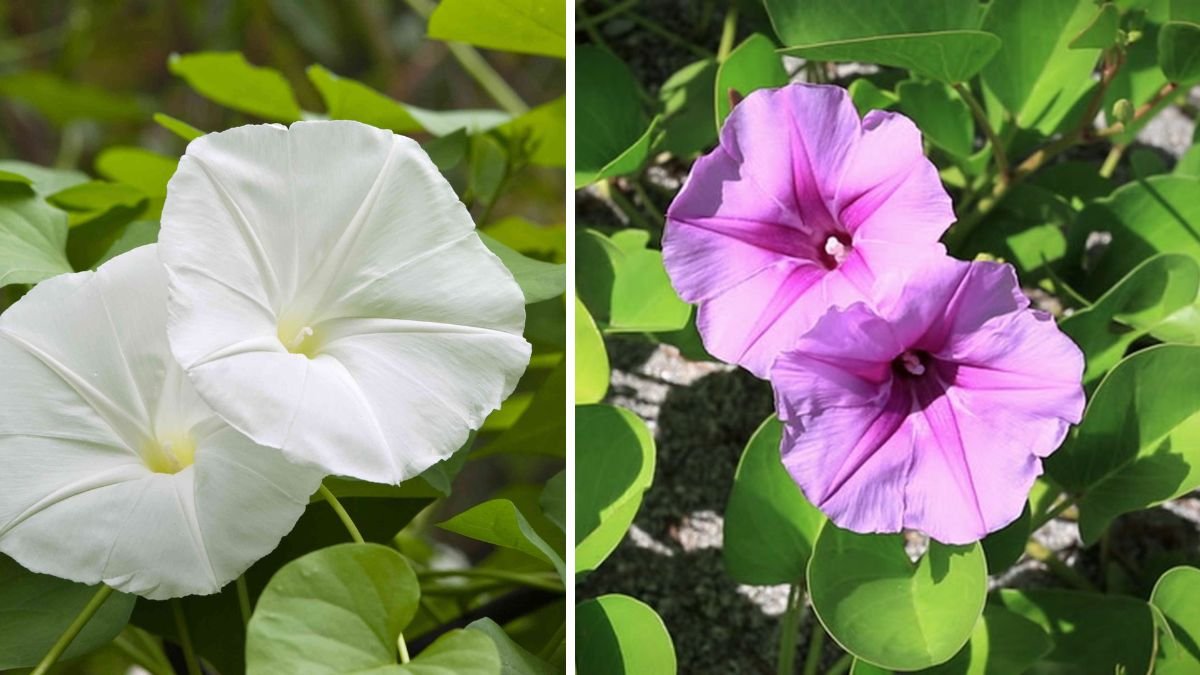
Creating a night garden filled with the enchanting blooms of moonflowers can transform your outdoor space into a magical retreat. Known scientifically as Ipomoea alba, moonflowers are a part of the morning glory family and are renowned for their large, fragrant white blooms that unfurl in the evening. In this guide, we will explore how to cultivate moonflower blooms, tips for creating a stunning night garden, and answers to some frequently asked questions.
Understanding Moonflowers
Characteristics of Moonflowers
Moonflowers are twining vines that can grow up to 20 feet long. Their heart-shaped leaves and large flowers bloom at night, opening around dusk and lasting until dawn, releasing a sweet fragrance that attracts night pollinators like moths. The blooms, often white or pale yellow, are approximately 6-10 inches wide, making them a striking addition to any garden.
Growing Zones
Moonflowers thrive in USDA hardiness zones 10-11 but can be easily cultivated in containers and brought indoors in cooler climates. They prefer warm, humid conditions and can grow well in areas with full sun or partial shade.
Planting Moonflowers
Choosing the Right Location
Select a location that receives full sun for at least six hours a day. Moonflowers enjoy well-drained soil with a pH level between 6.0 and 7.0. Look for areas that offer some support, such as a trellis or fence, as they are creepers and need something to climb.
Soil Preparation
Prepare the soil by mixing in compost or well-rotted manure to improve fertility and drainage. Ensure the area is clear of weeds, rocks, and debris before planting.
Seed Selection
You can start moonflowers from seeds or transplants. If starting from seeds, soak them in water for 24 hours before planting to enhance germination. The seeds require warmth to sprout, so consider using a heating mat if planting indoors.
Sowing Seeds
Timing
Moonflower seeds can be sown directly in the garden after the last frost date in your area. If starting indoors, sow seeds 4-6 weeks before your last expected frost.
Planting Distance
When planting, space seeds 12-18 inches apart. If planting multiple rows, space them 3-4 feet apart to allow for growth and to make maintenance easier.
Watering
Gently water the area after planting to settle the soil around the seeds. Keep the soil consistently moist but not waterlogged. Once the seeds germinate and establish themselves, reduce watering slightly.
Caring for Moonflowers
Fertilization
Use a balanced fertilizer during the growing season. A 10-10-10 NPK (nitrogen, phosphorus, potassium) formula is adequate. Apply the fertilizer every 4-6 weeks to promote healthy growth and abundant blooms.
Pruning
Pruning is not always necessary, but you can trim leggy growth to encourage bushier plants. Remove any yellowing leaves to allow energy to concentrate on healthy growth.
Pest and Disease Management
Watch for common pests such as aphids and spider mites. Use organic insecticidal soap to manage infestations if necessary. Moonflowers can be susceptible to blight; ensure good air circulation by not overcrowding your plants.
Creating a Night Garden
Layout Design
A well-thought-out layout is essential for an effective night garden. Place moonflowers near pathways, patios, or seating areas for maximum enjoyment. Combine them with other night-blooming plants like jasmine, night-blooming cereus, and evening primrose for a cohesive and aromatic experience.
Lighting Considerations
Incorporate soft lighting to enhance the nighttime ambiance of your garden. Use solar-powered lanterns, fairy lights, or strategically placed landscape lighting to highlight the moonflowers and other nighttime plants.
Combining Moonflowers with Other Plants
To create a breathtaking night garden, pair moonflowers with other nocturnal favorites:
- Evening Primrose (Oenothera biennis): With their bright yellow blooms that open in the evening, they complement the moonflower’s dramatic presence.
- Night-Blooming Jasmine (Cestrum nocturnum): Known for its intoxicating scent, it blooms at night and provides a lovely fragrance to accompany the moonflower’s aroma.
- Tuberose (Polianthes tuberosa): These fragrant white flowers bloom in the evening and can add elegance to your night garden.
- Four O’Clocks (Mirabilis jalapa): Their colorful blooms open during the late afternoon or early evening, providing a vibrant contrast to the white moonflowers.
The Importance of Moonflowers
Attracting Pollinators
Moonflowers play a critical role in attracting night pollinators. The scent, combined with their large blooms, helps attract moths and other nocturnal creatures vital for pollination in your garden ecosystem.
Serenity and Aesthetic Appeal
The serene beauty of moonflowers can create a calming atmosphere in your garden. Their blooms provide a striking visual contrast against the dark night sky, adding a touch of ethereal beauty to your outdoor space.
Harvesting Moonflower Seeds
Once your moonflowers finish blooming and begin to fade, allow the seed pods to dry on the vine. Once dry, collect the seeds and store them in a cool, dark place for planting the next season.
FAQs about Moonflower Cultivation
1. When do moonflowers bloom?
Moonflowers bloom at night, typically opening around dusk and closing at dawn. Their blooms last for one night, but the plant produces flowers throughout the growing season.
2. Do moonflowers require full sun?
While moonflowers thrive in full sun, they can tolerate partial shade. However, to maximize blooms and growth, aim for at least six hours of sunlight a day.
3. Are moonflowers annual or perennial?
Moonflowers are typically grown as annuals in regions without tropical climates. However, in areas where frost is not a concern, they can behave like perennials.
4. What should I do if my moonflowers are not blooming?
If your moonflowers are not blooming, check for sufficient sunlight, water, and nutrients. Ensure the plants are not overcrowded and that they’re free from pests.
5. Can moonflowers be grown in containers?
Yes, moonflowers can be grown in containers. Just make sure the container is deep enough to accommodate their root system and that it has good drainage.
6. Are moonflowers toxic?
Yes, moonflowers are toxic if ingested, so keep them away from pets and small children. The seeds, in particular, contain compounds that can be harmful.
7. How can I keep pests away from my moonflowers?
Encourage beneficial insects like ladybugs and lacewings, which prey on common garden pests. Additionally, apply organic insecticidal soap or neem oil as needed.
8. When should I start my moonflower seeds indoors?
Start your moonflower seeds indoors 4-6 weeks before the last frost date in your area. Transplant them outdoors once the danger of frost has passed.
Conclusion
Cultivating moonflowers can significantly enhance your nighttime garden experience. With their stunning blooms, enchanting fragrance, and ability to attract pollinators, they are a worthwhile addition to any outdoor space. By following the guidelines in this ultimate guide, you can enjoy the beauty and serenity of moonflowers for many evenings to come. Happy gardening!