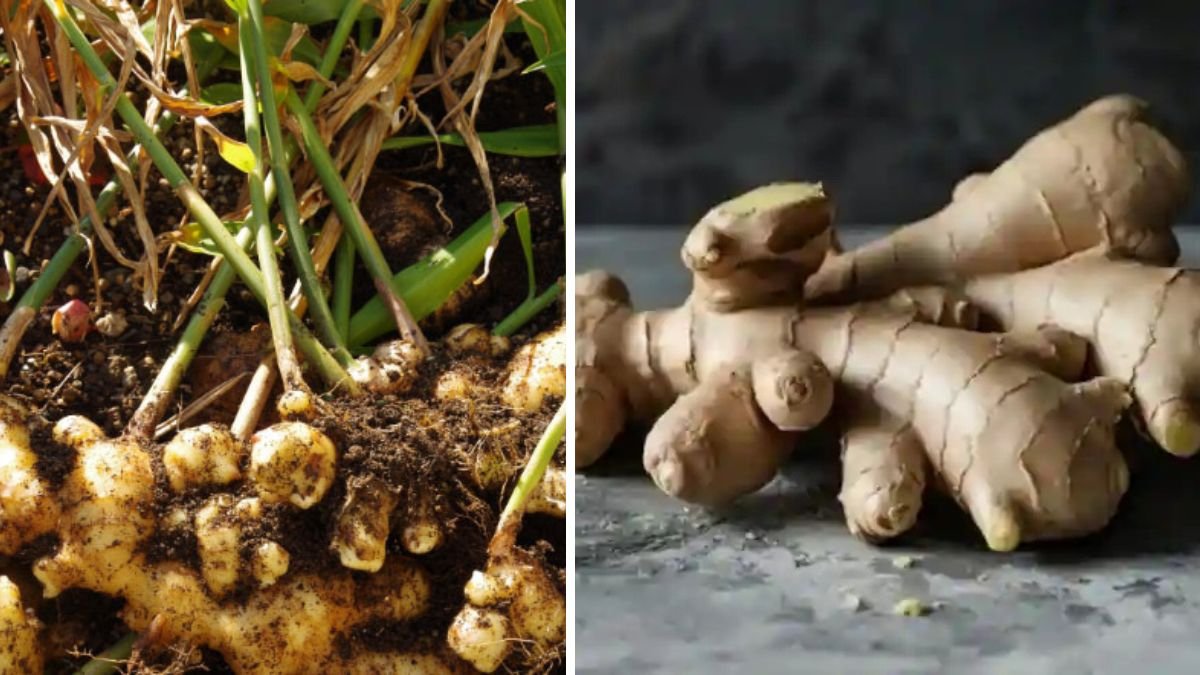
Ginger (Zingiber officinale) is a popular spice and medicinal plant renowned for its flavor and health benefits. Traditionally grown in tropical and subtropical climates, ginger thrives best in warm, humid environments. However, cultivating ginger in areas with partial shade can also be effective if the right techniques are employed. This article explores effective strategies for growing ginger in partial shade, including site selection, soil preparation, watering, companion planting, pest management, and harvesting.
Understanding Ginger’s Growing Requirements
Before diving into cultivation techniques, it’s essential to understand ginger’s growth requirements. Ginger prefers warm temperatures ranging from 70°F to 85°F (21°C to 29°C) and thrives in well-draining, loamy soils rich in organic matter. While ginger can tolerate partial shade, it still requires adequate light to grow efficiently. Ginger is often considered a shade-loving plant, making it suitable for planting beneath taller shrubs or trees.
The Benefits of Partial Shade
- Temperature Regulation: Partial shade helps prevent excessive heat, which can stress ginger plants and hinder growth.
- Moisture Retention: Shaded areas tend to retain moisture better, reducing the frequency of watering.
- Weed Control: Less sunlight inhibits weed growth, which reduces competition for nutrients and water.
Site Selection
Choosing the right location is crucial for cultivating ginger in partial shade.
1. Identify Suitable Areas
Look for areas that receive filtered sunlight or dappled shade throughout the day. This can include places beneath large canopy trees, alongside taller garden structures, or areas shielded by fences.
2. Assess Soil Quality
Ginger prefers loamy or sandy soil that drains well. Test the pH level, aiming for a range of 5.5 to 6.5. Amend the soil with organic compost or well-rotted manure to enrich it and enhance drainage.
Soil Preparation
Soil preparation is vital for ginger cultivation, particularly in shaded environments where nutrient availability might be lower.
1. Amend the Soil
Adding organic matter enhances soil fertility. Incorporate well-rotted manure, compost, or leaf mold into the top 15-20 inches (38-51 cm) of soil. This enriches the soil with nutrients and improves its structure.
2. Improve Drainage
Ensure good drainage to prevent root rot. If your soil retains too much water, consider adding sand or perlite to enhance aeration. Creating raised beds can also improve drainage.
Planting Ginger
Once your site is selected and the soil is prepared, it’s time to plant ginger.
1. Choosing Seed Rhizomes
Select healthy, disease-free ginger rhizomes with at least one eye or bud. You can purchase rhizomes from nurseries or use ginger from a grocery store, ensuring it’s organic to avoid any growth inhibitors.
2. Planting Technique
Plant rhizomes 2-4 inches (5-10 cm) deep and 12-15 inches (30-38 cm) apart, with the buds facing upwards. Space multiple rows about 18-24 inches (45-61 cm) apart for better airflow and access.
Watering
Ginger requires consistent moisture, particularly in its early stages, but overwatering can lead to rot.
1. Establishing a Watering Routine
Water ginger regularly, especially during dry spells. The soil should be kept consistently moist but not waterlogged. A general rule is to water when the top inch (2.5 cm) of soil feels dry.
2. Use Mulch to Retain Moisture
Apply a layer of organic mulch, such as straw or shredded leaves, around the base of the plants to retain soil moisture, suppress weeds, and maintain a stable soil temperature.
Fertilization
Ginger benefits from regular feeding throughout its growth cycle.
1. Organic Fertilizers
During the growing season, apply a balanced organic fertilizer every 4-6 weeks, emphasizing potassium and phosphorus. Fish emulsion or seaweed extracts can also provide necessary micronutrients.
2. Assess Nutrient Needs
Monitor the plants for signs of nutrient deficiency, such as yellowing leaves. Adjust fertilization practices as needed based on visual cues.
Companion Planting
Companion planting can enhance ginger growth by promoting beneficial interactions with other plants.
1. Choosing Companion Plants
Consider planting ginger alongside:
- Beans: Fix nitrogen in the soil.
- Marigolds: Deter pests and attract beneficial insects.
- Turmeric: Shares similar growing conditions and benefits from the same care.
2. Avoiding Conflict
Steer clear of planting ginger near plants that require full sun or compete heavily for nutrients, like corn or tomatoes.
Pest Management
Managing pests is an essential aspect of ginger cultivation, particularly in partial shade.
1. Monitoring for Pests
Common pests include aphids, spider mites, and root-knot nematodes. Regularly inspect your plants for signs of infestation.
2. Natural Pest Remedies
Use neem oil or insecticidal soap to manage pest populations. Introduce beneficial insects like ladybugs to naturally control pests.
Disease Management
Ginger is susceptible to certain diseases, particularly when growing in shady conditions.
1. Identifying Diseases
Common diseases include bacterial wilt and fungal infections. Symptoms may include yellowing leaves, wilting plants, and discoloration of the rhizomes.
2. Prevention Strategies
- Rotate Crops: Avoid planting ginger in the same location for consecutive years to reduce disease risk.
- Choose Disease-Resistant Varieties: When available, opt for ginger varieties known for their resilience to common diseases.
Harvesting Ginger
Knowing when and how to harvest ginger is crucial for preserving its flavor and nutritional benefits.
1. Timing the Harvest
Ginger can be harvested approximately 8-10 months after planting. You can start harvesting earlier for younger, milder-flavored rhizomes or wait for full maturity for a stronger flavor.
2. Harvesting Technique
Use a spade or garden fork to gently lift the rhizomes from the soil, being careful not to damage them. Shake off excess soil, and store unwashed ginger in a cool, dry place.
FAQs
1. Can I grow ginger in pots?
Yes, ginger can be grown in pots. Choose a container at least 12 inches deep with drainage holes, and follow the same planting and care guidelines.
2. How much sun does ginger need?
Ginger prefers partial shade but needs at least 4 hours of indirect sunlight daily.
3. What are the signs of overwatering in ginger?
Signs of overwatering include yellowing leaves, wilting, and a soggy soil texture. Adjust your watering routine immediately.
4. How can I tell when ginger is ready to harvest?
Ginger is ready to harvest when the leaves start to yellow and die back, usually 8-10 months after planting.
5. Can I grow ginger indoors?
Yes, ginger can be grown indoors in containers as long as it receives sufficient light and warmth. Use grow lights if natural light is insufficient.
6. Are there any specific diseases I should worry about?
Yes, be aware of bacterial wilt and fungal infections. Regular monitoring and good cultural practices can help mitigate these issues.
Conclusion
Cultivating ginger in partial shade environments is not only achievable but can lead to healthy and productive plants. By understanding the unique requirements of ginger, employing effective growing techniques, and using organic practices, you can enjoy the myriad benefits this versatile plant offers. Whether you are a novice gardener or an experienced horticulturist, growing ginger provides a rewarding experience that enhances your garden, kitchen, and well-being.