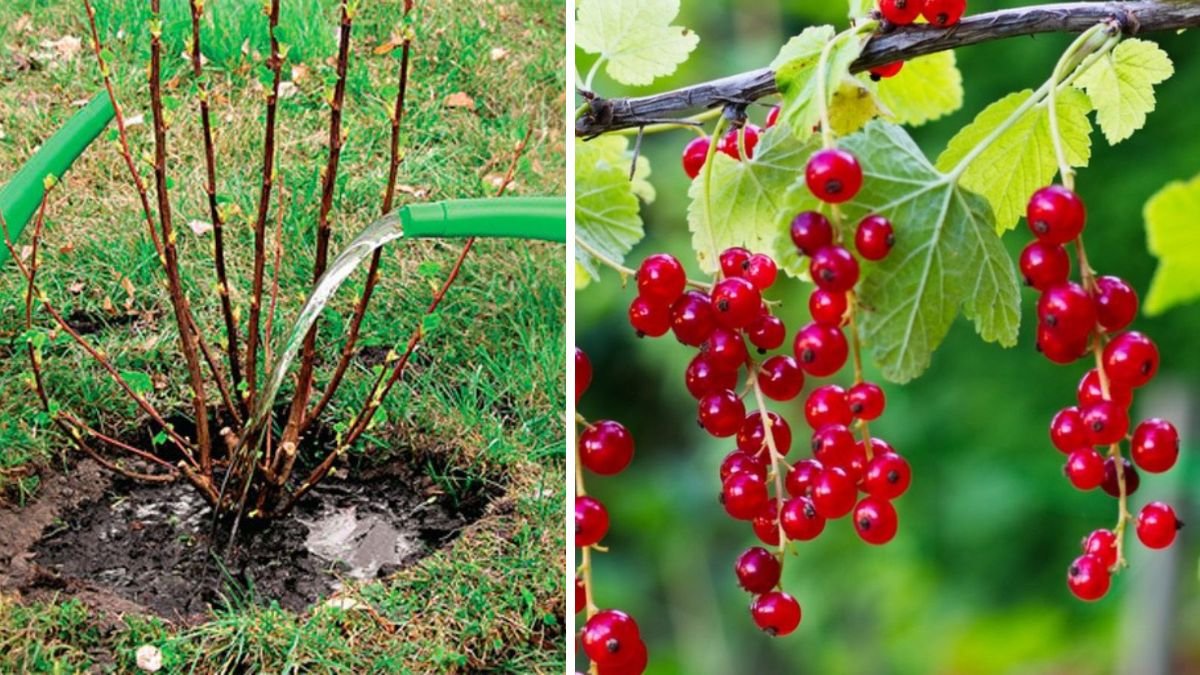
Currant bushes are a popular choice for home gardeners and fruit aficionados due to their delicious berries and versatility in culinary applications. However, as the temperature drops and winter approaches, taking the right steps to protect these plants is crucial. Proper winterization helps ensure robust growth and fruitful yields in the following summer. In this article, we will outline the best practices for winterizing your currant bushes to ensure their optimal protection.
Understanding the Needs of Currant Bushes
The Basics of Currant Growth
Currants (Ribes spp.) thrive in temperate climates and are generally hardy plants. They come in several varieties, including red, black, and white currants. Despite their resilience, winter can pose several threats, including frost, dehydration, and snow load. Understanding your currant bushes’ life cycle and specific requirements will inform your winterization strategy.
Hardiness Zone Consideration
Knowing your USDA Hardiness Zone is crucial. Different currant varieties can tolerate different temperatures. For example, red currants generally withstand temperatures down to -30°F (-34°C), while black currants are slightly less hardy. Make sure you choose a variety suitable for your region and micro-climate.
Preparatory Steps for Winterizing Currant Bushes
Before winter sets in, several preparatory steps can be taken to ensure that your currants are ready for colder weather.
1. Pruning Your Currant Bushes
Dead, damaged, and diseased branches should be pruned in the late fall before winter fully sets in. Pruning not only encourages healthier growth but also reduces the potential for disease and pest infestations in the winter.
Tips for Pruning:
- Use clean, sharp tools to avoid introducing pathogens.
- Remove any canes older than three years, as they yield fewer fruit.
- Trim back about one-third of the bush to stimulate new growth in the spring.
2. Clearing Debris
Fallen leaves, weeds, and debris around the base of the currant bushes should be cleared away. This helps prevent the buildup of pests and diseases during the winter months. Debris can harbor overwintering pests and pathogens, which may infect healthy plants come spring.
3. Watering
While it may seem counterintuitive, adequate watering is essential before the ground freezes. Giving your currants a deep watering late in the fall helps them absorb moisture, preparing them to tolerate the dehydration that often accompanies winter conditions.
Protective Measures
Once you have prepared your currant bushes, it’s time to implement protective measures to shield them from the harsh winter.
4. Mulching
Applying a thick layer of organic mulch around the base of your currant bushes is one of the most effective ways to protect them in winter. Mulch helps to insulate the roots, suppress weeds, and retain moisture.
Types of Mulch:
- Straw
- Wood chips
- Bark
- Leaves
Apply about 3-4 inches of mulch, ensuring it doesn’t directly touch the stems of the bush to prevent rot.
5. Plant Supports
If your currant bushes are tall or have a multi-stem structure, consider using plant supports. As snow accumulates, it can weigh down the branches and lead to breakage. By using stakes or cages, you can effectively support the branches and prevent breakage.
6. Windbreaks and Coverage
For areas prone to harsh winds or extreme cold, consider using windbreaks such as burlap screens. These help to protect your shrubs from the colder winds that can desiccate plants. Additionally, if the winters are particularly harsh in your area, you may want to consider covering the plants with breathable fabric to provide an extra layer of protection.
When to Implement Winterizing Practices
Timing is crucial in winterizing currant bushes. Ideally, you should start preparing your bushes for winter in late fall, about 2-4 weeks before the first expected frost. This allows the plants time to acclimatize and harden off before the cold sets in.
Seasonal Timeline for Winter Preparation
- Late Summer (August to Early September): Prune and prepare the soil if needed.
- Mid Fall (October): Clear debris and give your bushes a deep watering.
- Late Fall (November): Apply mulch and set up windbreaks or coverings as needed.
Monitoring and Post-Winter Care
Once you’ve taken the necessary steps to winterize your currant bushes, monitor them throughout the winter. If you notice any signs of distress (like cracking or wilting), consider adjusting your protection measures before spring emerges.
Spring Awakening
As winter fades, it’s time for your currant bushes to start waking up. Here are some practices to prepare them for the growing season:
- Remove Mulch Gradually: In early spring, gradually remove mulch as temperatures rise, allowing for airflow and preventing rot.
- Check for Pests and Diseases: Inspect the bushes for any signs of pest infestations or diseases. Early intervention is crucial.
- Fertilizing: As new growth appears, you can apply a balanced fertilizer to promote healthy development.
Conclusion
Winterizing your currant bushes is an essential effort for ensuring that they thrive come spring. By following best practices such as pruning, mulching, and providing adequate protection against extreme weather, you can maximize the chances of a successful growing season.
Investing time and energy into properly winterizing your currant bushes not only safeguards your plants but also sets the stage for a bountiful harvest.
FAQs
1. Why is it important to prune my currant bushes before winter?
Pruning helps to remove dead or diseased wood, encouraging healthy growth and reducing the chance of winter damage.
2. When is the best time to water my currant bushes before winter?
Water your currant bushes deeply in late fall, ideally a few weeks before the ground freezes to allow for moisture absorption.
3. What type of mulch is best for protecting currant bushes?
Organic materials like straw, wood chips, or shredded leaves work well. Aim for a 3-4 inch layer, but avoid direct contact with the plant stems.
4. How can I protect my currant bushes from extreme winds?
Plant supports, windbreaks, or breathable fabric coverings will help protect your currant bushes from desiccating winds and cold temperatures.
5. When should I remove the winter mulch from my currant bushes?
Gradually remove mulch in early spring as temperatures rise to promote airflow and prevent rot.
6. Do all currant varieties require the same winterization procedures?
While the basic steps are similar, some varieties have different hardiness levels. Always tailor your winterization practices based on the specific variety and your local climate conditions.
Implementing these best practices ensures that your currant bushes will not only survive the winter but thrive, producing abundant fruit for many seasons to come. Happy gardening!