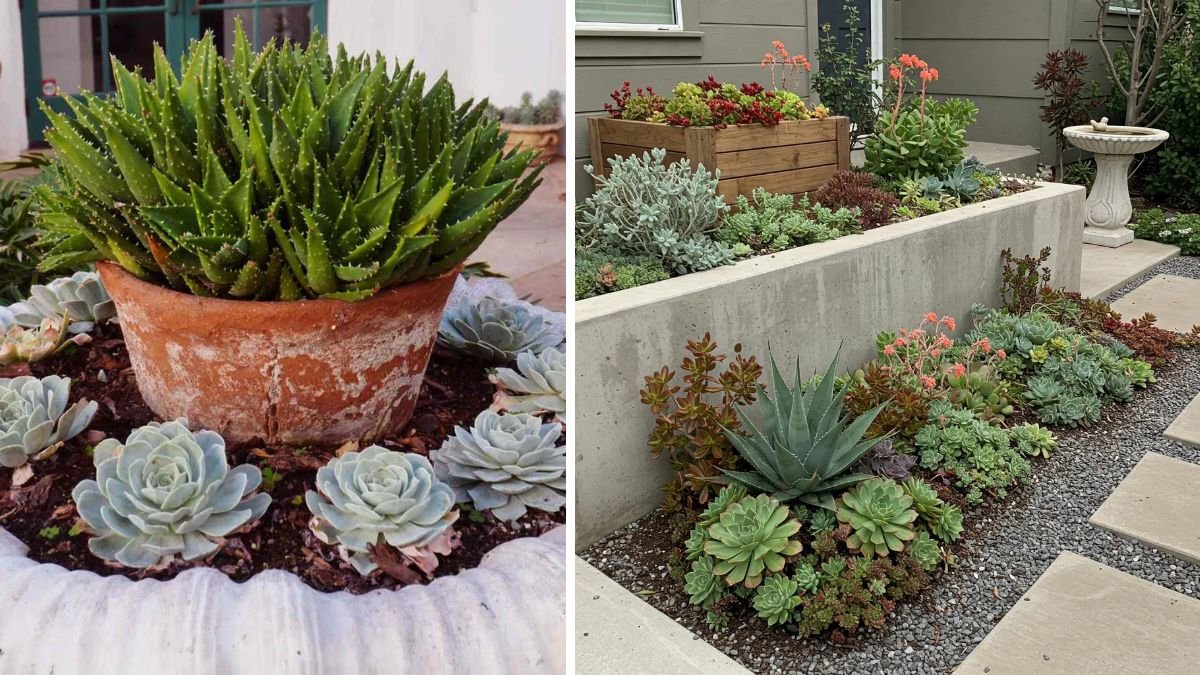
Succulents have surged in popularity due to their unique aesthetics, low maintenance requirements, and versatility in design. These hardy plants, characterized by their thick, fleshy parts designed to store water, come in various shapes, colors, and sizes, making them perfect for modern garden design. This article explores creative ways to integrate succulents into contemporary gardens, elevating both indoor and outdoor spaces.
Understanding Succulents
Before diving into design ideas, it’s essential to understand what succulents are and why they make great additions to garden spaces. Succulents belong to a broad category of plants that have adapted to conserve water. They thrive in arid or semi-arid conditions and come from diverse families like Cactaceae, Crassulaceae, and Aizoaceae. Their plump leaves and stems are not only beautiful but also functional, making them resilient plants in drought-prone areas.
Why Choose Succulents for Modern Gardens?
- Water Conservation: With climate change prompting more sustainable gardening practices, succulents require minimal water compared to traditional flowering plants.
- Versatility: Their diverse appearances allow for extensive design options— from minimalist arrangements to lush, colorful displays.
- Low Maintenance: Aside from occasional watering and minimal pruning, succulents are incredibly forgiving and well-suited for busy lifestyles.
- Indoor and Outdoor Use: Succulents can thrive indoors on windowsills or outdoors in garden beds, making them suitable for all types of spaces.
Creative Design Ideas for Incorporating Succulents
1. Succulent Vertical Gardens
Vertical gardens have become a buzzword in contemporary landscaping. By using wall-mounted planters or trellis systems designed to hold soil and plants, you can create stunning vertical displays of succulents. These gardens not only save space but also add vertical interest to a flat landscape. Pair various types of succulents for contrast, using trailing varieties on the edges for a cascading effect.
Implementation Tip: Choose a wall facing south or west for optimal sunlight exposure. Use weatherproof materials to ensure durability.
2. Succulent Terrariums
Bringing succulents indoors can be as simple as creating a terrarium. These miniature ecosystems offer stunning visual appeal and are an easy way to display your favorite succulents. Glass containers can be filled with various substrates, like colorful pebbles, sand, and soil, to create beautifully layered designs.
Implementation Tip: Ensure proper drainage—layer coarse gravel or stones at the bottom before adding soil to prevent root rot.
3. Garden Pathways and Borders
Incorporate succulents as living borders along pathways or garden edges. This not only creates a defined structure but also adds depth and texture to garden design. Opt for low-growing varieties, such as sedums or sempervivums, that can withstand foot traffic while providing a lush appearance.
Implementation Tip: Plant in drifts or clusters for a more natural look rather than in straight lines. Mix different colors and textures to create visual interest.
4. Succulent Centerpieces
Use succulents in unexpected places, like dining tables or side tables, as stunning centerpieces. These arrangements can vary from simple to elaborate, fitting any occasion from casual dinners to formal gatherings. Consider mixing and matching colors and shapes to create dynamic visual interest.
Implementation Tip: Choose pots that complement the surrounding decor. Textured pottery or metallic finishes can add a modern touch.
5. Rock Gardens
Rock gardens are synonymous with modern landscaping and provide the perfect setting for succulents. The juxtaposition of natural stone and vibrant plants can create a breathtaking focal point. Compile a variety of rocks—large boulders for height and small pebbles for ground cover—and arrange them creatively.
Implementation Tip: Choose drought-resistant plants that thrive in rocky areas. Use gravel or sand as a substrate to enhance drainage.
6. Hanging Gardens
Hanging succulents can add flare to any space, particularly for smaller gardens or patios. Use macramé hangers or modular planters that can be suspended at different heights, creating a playful visual element. This approach allows for creative use of vertical space while providing succulents with ample sunlight.
Implementation Tip: Ensure the hanging planters have proper drainage and consider positioning them where water runoff won’t damage surfaces below.
7. Mixed Planting Beds
Create mixed planting beds that combine various succulent types with other drought-tolerant plants. This approach offers a broader visual appeal and allows for seasonal variations. Combine succulents with ornamental grasses, shrubs, or perennials that complement their colors and forms.
Implementation Tip: Group plants by their water and sunlight needs to ensure all thrive in their environment.
8. Succulent Wreaths
Crafting succulent wreaths is a unique way to integrate these plants into your home decor. Ideal for use as seasonal decorations, these living pieces can grace entryways, doors, or as festive centerpieces.
Implementation Tip: Use a wire frame and floral foam to create a base. Anchor the succulents using hot glue or secure them into the foam.
9. Planter Combinations
Mixing succulents with other types of plants in pots can create balanced arrangements. Place succulents alongside other drought-resistant plants or decorative grasses for a well-rounded look that suits any occasion.
Implementation Tip: Use containers with adequate drainage and choose plants with similar light and water requirements to ensure compatibility.
10. Concrete Planters
Modern aesthetics often feature raw materials like concrete, making it a perfect choice for succulent planters. Concrete pots provide an urban edge while letting the greenery take center stage. Use varied shapes and heights to create an eye-catching display.
Implementation Tip: Ensure the planters have drainage holes or use a permeable material at the bottom to avoid water build-up.
Designing Your Space
To successfully incorporate succulents into your modern garden design, consider these design principles:
-
Color Scheme: Choose a color palette that complements your overall design. Succulents offer various hues—ranging from deep greens to vibrant pinks—allowing you to create cohesive yet dynamic arrangements.
-
Textures: Mix textures by pairing succulents with smooth stones, rough wood, or fine soil. This can evoke interest and depth in your garden.
-
Focal Points: Utilize succulents to create focal points within your landscape. Larger, statement plants can be used as centerpieces, while smaller varieties can complement them.
-
Layering and Depth: Layering plants at varying heights and depths fosters a lush, full landscape. Combine taller succulents with low-growing varieties to create a sense of dimension.
FAQs
1. Are succulents indoor or outdoor plants?
Succulents can thrive in both indoor and outdoor environments. The key is to ensure they receive adequate sunlight and are planted in well-draining soil.
2. How often should I water succulents?
Succulents typically need watering when the soil has completely dried out. Depending on your environment, this can be every 1-3 weeks. Always ensure proper drainage.
3. What is the best soil mix for succulents?
A well-draining mix specifically for cacti and succulents is ideal. You can also create your own by combining potting soil, coarse sand, and perlite.
4. Do succulents require a lot of sunlight?
Most succulents prefer bright, indirect sunlight. Ensure they are placed in a spot where they receive plenty of light without direct scorching sun.
5. Can succulents survive winter?
Many succulents are hardy and can survive mild winters, particularly those native to arid regions. However, to protect them from cold and frost, consider bringing them indoors if temperatures drop significantly.
6. How can I propagate my succulents?
Succulents can be easily propagated from leaves, offsets, or cuttings. Allow the cuttings to heal for a few days before planting them in well-draining soil.
Conclusion
Incorporating succulents into modern garden design allows for versatile, sustainable, and visually striking arrangements. Their unique properties and aesthetic appeal can enhance any space, be it large or small, indoors or outdoors. With numerous creative ideas ranging from vertical gardens to terrariums, the possibilities are limitless. By employing thoughtful design principles and understanding your plants’ needs, you can create a modern garden that showcases the beauty and resilience of succulents.