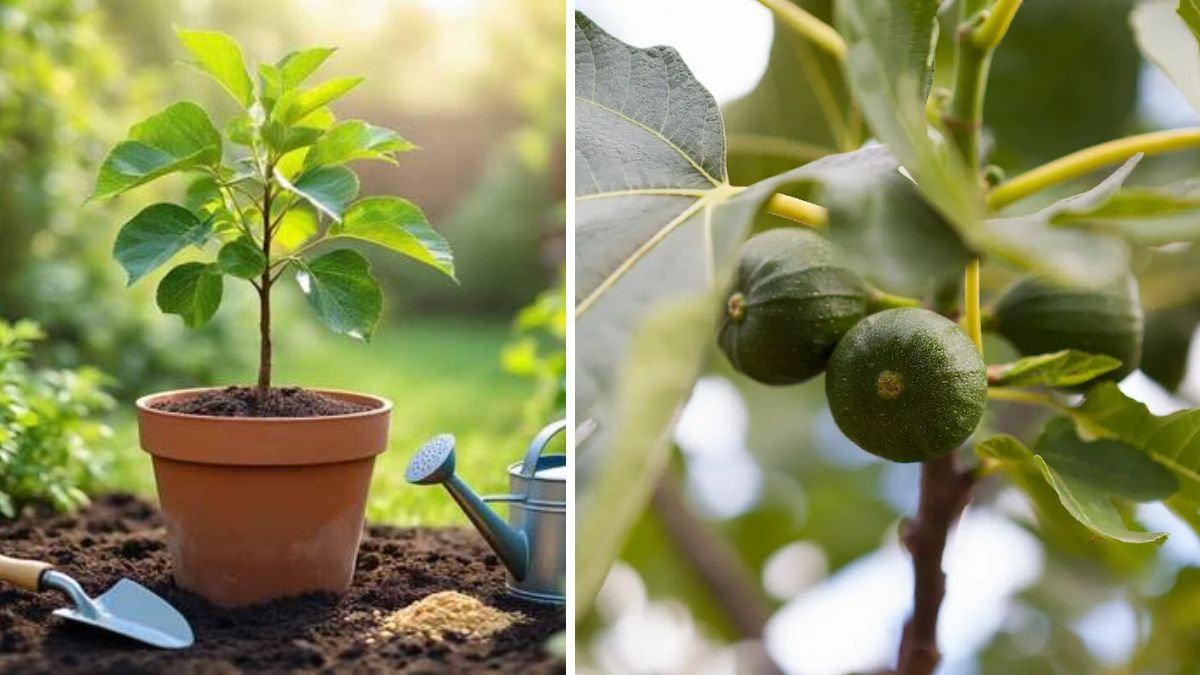
Figs are a delicious fruit that can be enjoyed fresh, dried, or made into preserves. Their sweet flavor and unique texture make them a favorite for many gardeners. However, not everyone has the luxury of ample garden space. This is where container gardening comes into play, offering the perfect solution for growing healthy figs in limited areas. In this ultimate guide, we’ll explore everything you need to know about growing figs in containers, from choosing the right varieties to caring for your plants, along with some frequently asked questions.
Table of Contents
- Understanding Figs
- Variety Selection
- Choosing the Right Container
- Size and Material
- Soil Requirements
- Best Mix for Figs
- Planting Your Figs
- Watering and Fertilization
- Sunlight and Temperature Requirements
- Pruning and Maintenance
- Pest and Disease Management
- Harvesting Figs
- FAQs
1. Understanding Figs
Figs, belonging to the species Ficus carica, thrive in warm climates. They can be grown in USDA Zones 6–10, making them suitable for many regions. When selecting fig varieties for container gardening, consider compact or dwarf types, which are better suited for limited space.
Popular Fig Varieties for Containers:
- Brown Turkey: This hardy variety produces sweet, medium-sized figs and is ideal for various climates.
- Celeste: Known for its sweetness, this variety does well in containers and is relatively low maintenance.
- Petite Negra: A smaller tree, perfect for pots, that yields small, sweet figs.
2. Choosing the Right Container
The container is vital for healthy fig growth. Here’s what to consider:
Size and Material
- Size: Choose a pot that is at least 18 inches in diameter for young plants; larger containers will promote better root growth. As figs grow, they may eventually need a container of 24 inches or more.
- Material: Clay pots are excellent for breathability but can dry out quickly. Plastic containers retain moisture longer, which is beneficial for beginners. Whichever material you choose, ensure that the pot has drainage holes.
3. Soil Requirements
Figs prefer well-draining soil that is rich in organic matter. A good potting mix usually suffices, but you can customize it by adding:
- Compost: Enhances nutrient availability and improves drainage.
- Perlite or Vermiculite: Increases aeration and drainage.
- Sand: Helps with drainage for a more sandy soil mix.
A recommended ratio might be 50% potting soil, 30% compost, and 20% perlite or sand.
4. Planting Your Figs
When you’re ready to plant, follow these steps:
- Prepare the Container: Fill the pot with your soil mix, leaving about an inch of space at the top for watering.
- Remove the Fig from Its Nursery Pot: Gently squeeze the sides and slide the plant out. Tapping the bottom can help.
- Check the Roots: If they’re circling the pot, gently loosen them to encourage growth into the new soil.
- Plant the Fig: Place the plant in the center of the new pot and fill in with soil, ensuring that the root ball is level with the soil surface.
5. Watering and Fertilization
Watering
Figs need consistent moisture, especially during the growing season. Here are some watering tips:
- Check Soil Moisture: Insert your finger about an inch into the soil; if it feels dry, it’s time to water.
- Water Deeply: Water until you see it draining from the bottom to encourage deep rooting.
- Avoid Overwatering: Container figs can suffer from root rot if waterlogged.
Fertilization
Use a balanced, slow-release fertilizer during the growing season, preferably one formulated for fruiting plants. Over-fertilization can lead to lush foliage at the expense of fruit production.
6. Sunlight and Temperature Requirements
Figs thrive in full sun. They typically require:
- Sunlight: Aim for at least 6-8 hours of direct sunlight daily.
- Temperature: Figs prefer temperatures between 70°F to 85°F. In cooler climates, consider moving containers to a sheltered location during winter.
7. Pruning and Maintenance
Pruning is essential to keep your figs healthy and productive:
- When to Prune: Late winter or early spring is ideal before new growth starts.
- How to Prune: Remove dead or damaged branches and shape the tree to allow airflow and sunlight penetration. Aim to maintain an open center structure.
Maintenance Tips:
- Repotting: Every few years, repot to refresh the soil and provide room for growth.
- Mulching: Applying a layer of mulch can help retain moisture.
8. Pest and Disease Management
Figs can be susceptible to various pests and diseases. Here’s how to manage them:
- Common Pests: Watch for aphids, spider mites, and scale. Treat infestations promptly with insecticidal soap or neem oil.
- Diseases: Root rot and fig rust are common issues. Ensure proper drainage and avoid overhead watering to minimize these risks.
9. Harvesting Figs
Figs are typically ready to harvest in late summer to early fall when they feel soft to the touch and emit a sweet aroma. Here’s how to ensure you pick at the right time:
- Color Change: Depending on the variety, ripe figs change color from green to purple or brown.
- Gentle Squeeze: Ripe figs yield slightly to pressure.
- Twist for Separation: Gently twist the fig to detach it from the stem.
10. FAQs
Q1: Can I grow figs indoors?
Yes, figs can be grown indoors if they receive sufficient light. Consider using grow lights during winter months.
Q2: How long does it take for a fig tree to bear fruit?
Most fig trees will start producing fruit within 1-2 years after planting.
Q3: Do fig trees require pollination?
Most common varieties, including Brown Turkey and Celeste, do not require pollination to produce fruit.
Q4: Can I grow figs in a small space?
Absolutely! Container gardening is perfect for limited spaces, and compact varieties can fit on balconies or patios.
Q5: What should I do if my fig tree isn’t producing fruit?
Ensure it receives enough sunlight, water, and appropriate fertilization. Consider its age; younger trees may take time to bear fruit.
Q6: Are there any diseases I should be aware of?
Yes, keep an eye out for root rot, leaf blight, and fig rust. Regular maintenance and proper watering can prevent many issues.
Conclusion
Growing figs in containers is a rewarding and delicious endeavor. With the right care, you can enjoy fresh figs straight from your backyard or balcony. By following the tips and tricks outlined in this guide, you’re well on your way to cultivating a healthy, fruitful fig tree. Happy gardening!