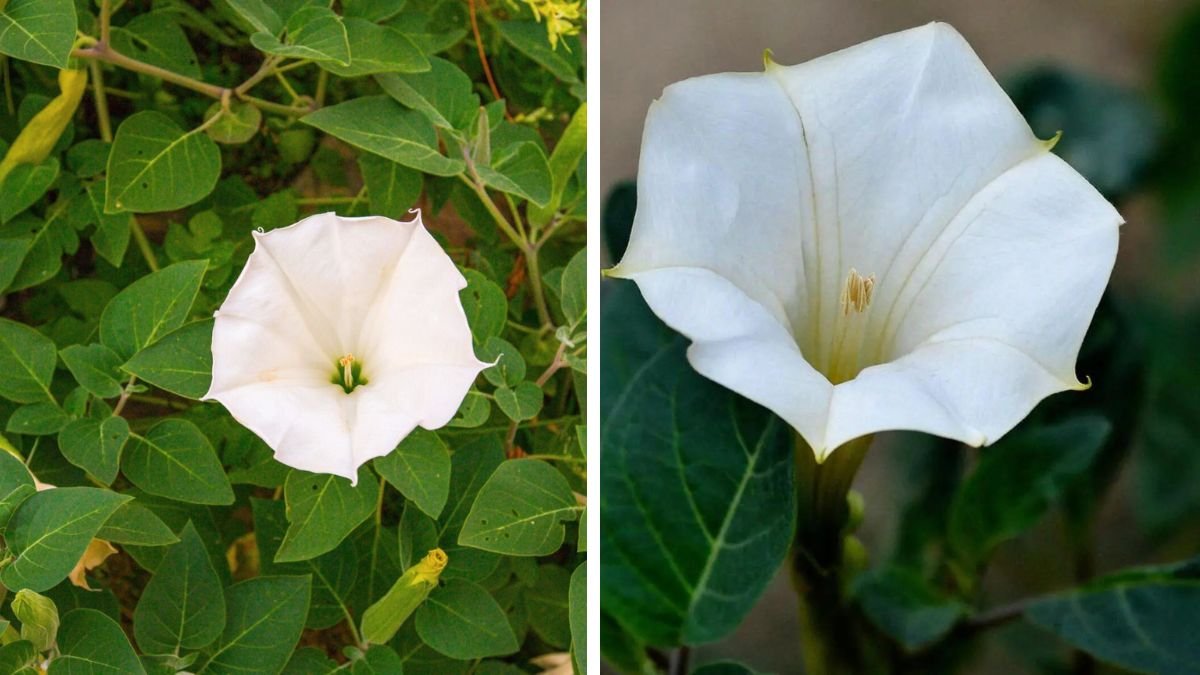
Moonflowers (Ipomoea alba) are enchanting nocturnal plants known for their large, fragrant white blooms that unfurl in the evening. These lovely vines can add a touch of magic to your garden, providing both aesthetic and sensory delights. Growing Moonflowers from seed is a rewarding endeavor that requires a bit of preparation and care. This guide will walk you through everything you need to know to successfully cultivate these mystical plants in your garden.
Understanding Moonflowers
Characteristics
Moonflowers are part of the morning glory family and are known for their:
- Fast Growth: Moonflowers are vigorous growers and can reach up to 15-20 feet in a single growing season.
- Large Blooms: The flowers typically measure 4-6 inches across, and their sweet fragrance attracts night pollinators like moths.
- Foliage: The heart-shaped leaves are lush and green, providing a beautiful backdrop to the stunning blooms.
Growing Zones
Moonflowers thrive in USDA hardiness zones 9-11, but they can be grown as annuals in cooler climates. Understanding your hardiness zone will help you determine the best time to sow seeds.
Preparing to Grow Moonflowers
Choosing the Right Seeds
Select high-quality seeds from a reputable source. Look for organic seeds if possible, as they are less likely to be treated with chemicals.
Soil Preparation
Moonflowers prefer:
- Well-drained Soil: Good drainage is essential to prevent root rot.
- Rich in Organic Matter: Incorporate compost or well-aged manure into your soil to improve its nutrient content.
- pH Levels: Aim for a slightly acidic to neutral pH (between 6.0 and 7.0).
Test your soil before planting to ensure these conditions are met.
Location Selection
Select a location that receives full sun (6-8 hours a day) for optimal growth. A south-facing wall or trellis can provide the necessary support for the vines to climb.
Planting Moonflower Seeds
When to Plant
The best time to sow moonflower seeds is in the late spring, after the last frost. In cooler climates, plant them indoors 6-8 weeks before the last frost and transplant them outdoors once the temperatures consistently stay above 60°F (15°C).
Direct Sowing vs. Transplanting
Direct Sowing
- Prepare the Soil: Till the soil and mix in organic matter.
- Plant the Seeds: Sow seeds ½ inch deep, spacing them 12 inches apart.
- Water Lightly: Moisten the soil but avoid waterlogging.
Transplanting
- Start Indoors: Soak seeds overnight to enhance germination.
- Seedling Care: Provide warmth and light to encourage healthy growth.
- Transplant: Once seedlings have 2-3 true leaves, harden them off before transplanting outdoors.
Germination
Seeds typically germinate in 7-14 days, depending on temperature and moisture. Maintain moisture as the seeds sprout, but avoid overwatering.
Caring for Moonflowers
Watering
Keep the soil consistently moist but not soggy. Water deeply once the top inch of soil feels dry. During hot summer months, more frequent watering may be necessary.
Fertilizing
Feed your moonflowers with a balanced, slow-release fertilizer every 4-6 weeks during the growing season. Avoid over-fertilizing, as this can lead to excessive foliage at the expense of blooms.
Pruning
Prune your moonflowers as needed to encourage bushier growth and more flowers. Remove dead or yellowing leaves to improve air circulation and reduce disease risk.
Pest and Disease Management
While moonflowers are relatively pest-resistant, keep an eye out for:
- Aphids: Treat with insecticidal soap or neem oil.
- Powdery Mildew: Ensure proper spacing and air circulation to prevent fungal diseases.
Harvesting Seeds
Once the blooms have faded and seed pods have developed, you can harvest seeds for next season. Allow the pods to dry on the plant, then collect them once they are brown and brittle. Store seeds in a cool, dry place until you are ready to plant in the next growing season.
Moonflower as Part of Your Garden Design
Companions and Combinations
Moonflowers can be effectively paired with other night-blooming plants, such as:
- Evening Primrose: Blooms at dusk and shares similar growing conditions.
- Night-scented Stock: Complements the fragrance of moonflowers and attracts similar pollinators.
- Daturas: Adds an exotic touch with its trumpet-shaped flowers.
Trellising
Because moonflowers are vigorous climbers, provide sturdy trellises, fences, or arbors for them to climb on. This not only supports their growth but also creates a beautiful, vertical element in your garden design.
FAQs
1. How long does it take for moonflower seeds to bloom?
Moonflowers typically take about 3 months from planting to blooming, depending on environmental conditions.
2. Can moonflowers grow in containers?
Yes, moonflowers can grow in containers as long as the container is large enough (5 gallons or larger) and has good drainage.
3. Are moonflowers annual or perennial?
In most climates, moonflowers are grown as annuals. However, in warmer climates (zones 9-11), they can be perennial.
4. Do moonflowers attract bees and butterflies?
While moonflowers primarily attract night pollinators like moths, they may also attract some bees and butterflies in the evening.
5. Can I grow moonflowers in part shade?
Moonflowers thrive in full sun but can tolerate partial shade. However, flowering may be less abundant.
6. How do I save moonflower seeds for next year?
Allow the seed pods to dry on the plant, then collect and store them in a cool, dry place until you are ready to plant.
7. Are moonflowers toxic to pets?
Yes, moonflowers are toxic if ingested, particularly the seeds. Keep them away from pets and children.
8. What should I do if my moonflower isn’t blooming?
Check for adequate sunlight, watering habits, and nutrient levels. Sometimes, excessive foliage can inhibit blooming, so pruning may be necessary.
Conclusion
Growing moonflowers from seed is an enchanting gardening project that yields stunning results. With the right conditions, care, and patience, you can enjoy these fragrant beauties in your garden every evening. Use this guide to navigate the process, and soon you’ll be rewarded with an ethereal experience right outside your door. Embrace the magic of moonflowers and let your garden come alive when the sun sets!