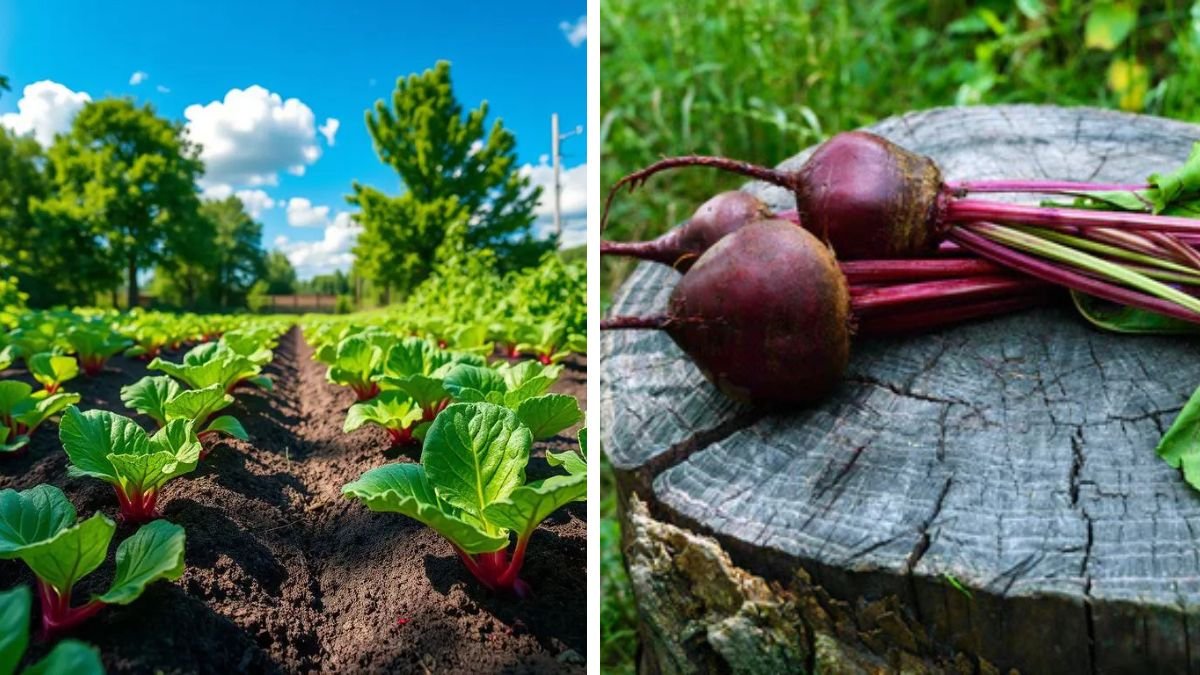
Beet greens are often overshadowed by their more famous counterparts—the beets. However, these leafy greens are nutrient-rich, versatile, and delicious. Not only do they add vibrant color to your plate, but they also provide an excellent source of vitamins A, C, K, and several minerals. If you’re interested in incorporating beet greens into your diet, this guide will show you how to grow them continuously for a year-round harvest.
1. Understanding Beet Greens
Before diving into growing techniques, it’s essential to understand what beet greens are. The greens come from the beetroot plant, known scientifically as Beta vulgaris. They are tender leaves resembling Swiss chard and can vary in color from dark green to ruby red, depending on the beet variety.
Nutritional Benefits
Beet greens offer numerous health benefits:
- Vitamins: High in vitamins A, C, and K, they contribute to skin health, immune function, and blood clotting.
- Minerals: Rich in magnesium, iron, and potassium, these greens can help in fatigue reduction, muscle function, and heart health.
- Antioxidants: Loaded with antioxidants, beet greens help combat oxidative stress in the body.
2. Choosing the Right Beet Variety
To grow beet greens year-round, selecting the right variety is crucial. Certain beet types are particularly suited for producing greens:
- Detroit Dark Red: Known for its tender and flavorful leaves, it’s great for salads and cooking.
- Chioggia: This Italian variety features beautiful, striped roots and vibrant greens.
- Golden Beets: Less common, but their greens are delicious, and they impart a unique color to your dishes.
Choose varieties that are known for their leaf production, as some beets are bred mainly for root development.
3. Growing Conditions
Soil Requirements
Beets thrive in well-draining, rich soil. Aim for:
- pH Level: Ideal pH is between 6.0 and 7.5.
- Soil Texture: Loamy or sandy soils are best, with plenty of organic matter.
- Nutrients: Incorporate compost or well-rotted manure to enhance soil fertility.
Sunlight Needs
Beet greens prefer full sun, requiring about 6-8 hours of sunlight daily. If you live in an especially hot climate, consider providing some afternoon shade to prevent leaf scorching.
Temperature
Beets are cool-weather crops, thriving in temperatures between 50°F (10°C) and 75°F (24°C). However, they can withstand light frost, making them suitable for fall planting.
4. Planting Beet Greens
Timing Your Planting
To enjoy beet greens year-round, consider the following planting schedule:
- Spring Planting: Start seeds outdoors as soon as the soil can be worked, typically 2-4 weeks before the last frost.
- Succession Planting: Sow seeds every 2-3 weeks until late spring for a continuous harvest.
- Fall Planting: In regions with mild winters, plant seeds in late summer to early fall for a late-season harvest.
Seed Sowing Instructions
- Prepare the Soil: Till the ground to a depth of 12 inches, mixing in compost.
- Seed Depth: Plant seeds about ½ inch deep.
- Row Spacing: Space rows 12-18 inches apart.
- Thinning: Once seedlings are established, thin them to about 4-6 inches apart.
5. Continuous Harvesting Techniques
Harvesting Beet Greens
The beauty of growing beet greens is their ability to be harvested multiple times. Here’s how to do it right:
- Cutting Method: Use scissors to snip leaves off at the base, leaving about 1-2 inches of the stem.
- Timing: Begin harvesting when leaves are young and tender, typically 3-4 weeks after sowing. You can harvest every 2-3 weeks thereafter.
- Regrowth: Allow the plant to regrow by leaving some leaves on the stem. The cut leaves will continue to produce new growth.
Protecting Your Greens
- Pests: Keep an eye out for aphids and leaf miners. Natural insecticidal soap can help control these pests.
- Diseases: Practice crop rotation to avoid diseases like downy mildew.
- Mulching: Use organic mulches to retain moisture and suppress weeds.
6. Overwintering Beet Greens
To maintain beet greens year-round, you’ll want to manage them through the winter:
In-Ground Overwintering
In milder climates:
- Mulching: Apply a thick layer of mulch to insulate the roots.
- Row Covers: Use frost cloths or row covers during extremely cold weeks.
Container Gardening
For those in colder areas:
- Containers: Grow beet greens in pots that can be moved indoors or to a greenhouse during severe weather.
- Indoor Growth: Place containers under grow lights if light is insufficient indoors.
7. Recipes and Culinary Uses
Beet greens are versatile and can be used in various dishes:
- Salads: Toss fresh beet greens into salads for a tasty nutrient boost.
- Sauté: Sauté with garlic and olive oil as a side dish.
- Soups: Add to soups for an extra layer of flavor.
- Smoothies: Blend into smoothies for added nutrition.
With their rich flavor and vibrant colors, beet greens can elevate any dish!
8. Troubleshooting Common Issues
Yellowing Leaves
- Overwatering: Ensure proper drainage.
- Nutrient Deficiency: A soil test might indicate a need for more nitrogen.
Stunted Growth
- Crowding: Ensure appropriate spacing between plants.
- Insufficient Sunlight: Consider relocating pots or removing shade.
Bitter Flavor
- Stress Factors: High temperatures or water stress can lead to bitterness. Keep plants well-watered and shaded as needed.
9. Frequently Asked Questions (FAQs)
1. Can I grow beet greens in containers?
Yes, beet greens can thrive in containers. Ensure the pot is at least 12 inches deep and has good drainage.
2. How often should I water beet greens?
Water regularly, especially during dry spells. Aim for about 1 inch of water per week, adjusting for rainfall.
3. Can I eat beet greens raw?
Absolutely! Beet greens are delicious raw when added to salads or smoothies.
4. How do I store beet greens?
Store unwashed greens in a plastic bag in the refrigerator. They are best used within a week.
5. Can I save seeds from my beet greens?
Yes, beet plants can bolt (flower) in their second year, producing seeds. Allow some plants to go to seed, and you can harvest the seeds for the next growing season.
Conclusion
Growing beet greens offers a simple yet rewarding way to ensure a continuous supply of nutritious, flavorful greens all year round. By understanding the needs of these plants, employing proper planting techniques, and utilizing seasonal strategies, you can reap the benefits of a vibrant beet green harvest. Whether you’re a novice gardener or a seasoned pro, incorporating beet greens into your garden will undoubtedly enhance both your meals and your health. Happy gardening!