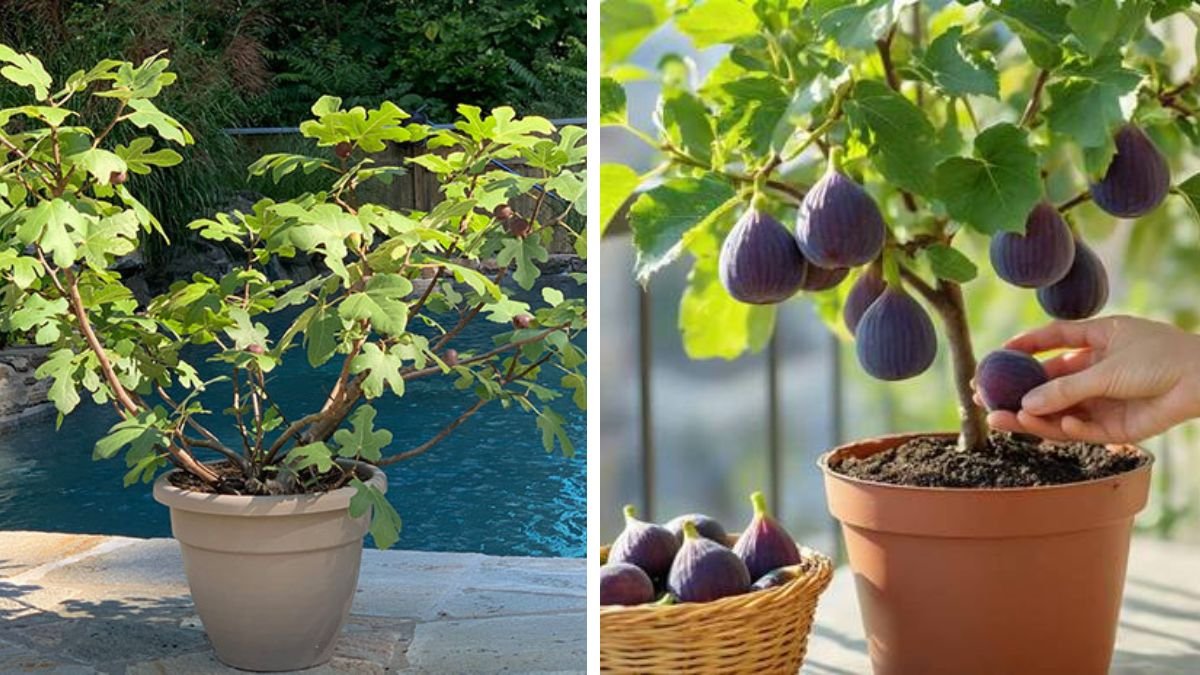
Fig trees (Ficus carica) are renowned for their luscious, sweet fruits and striking foliage. For gardeners who have limited space or want to keep their fig trees manageable, growing them in pots is an excellent option. However, to ensure your potted fig trees thrive and produce delicious fruit, proper pruning is essential. This comprehensive guide will walk you through everything you need to know about pruning fig trees in pots, including techniques, timing, and care tips to promote optimal growth and flavor.
Understanding Fig Trees
Before diving into pruning techniques, it’s essential to understand the growth habits and characteristics of fig trees:
- Varieties: Some popular varieties of fig trees include the Black Mission, Kadota, and Adriatic. Each has unique characteristics affecting pruning techniques.
- Growth Habit: Fig trees are deciduous, meaning they lose their leaves in the winter months. They can grow quite large if left unpruned, often reaching heights of 10-30 feet in the ground.
- Root System: Potted fig trees will have a more compact root system compared to their in-ground counterparts, which makes pruning critical for maintaining overall health and productivity.
Why Prune Fig Trees?
Pruning serves multiple purposes:
-
Shape and Size Control: Maintaining a manageable size is crucial in pots. Pruning helps control the height and width of the tree while promoting an attractive shape.
-
Improved Air Circulation: Thin out congested areas to improve air circulation, reducing the risk of diseases and pests.
-
Enhanced Sunlight Penetration: Removing crowded branches allows sunlight to reach more areas of the tree, crucial for fruit development and leaf photosynthesis.
-
Fruit Quality: Proper pruning encourages the tree to channel its energy into producing high-quality fruit instead of excessive foliage.
-
Health Maintenance: Removing dead or diseased branches helps keep the tree healthy and reduces the likelihood of infestations.
When to Prune Fig Trees
The timing of pruning is critical to its success:
Winter Dormancy
- Ideal Time: The best time to prune fig trees is during their dormant season, typically in late winter (February to early March).
- Benefits: Pruning during dormancy minimizes stress on the tree as it conserves energy for new growth in the spring.
Summer Pruning
- Use Caution: Light pruning can be done in the summer after the fruit begins to set. This can help shape the tree and remove any dead or diseased wood.
- Avoid Heavy Pruning: Avoid heavy pruning in summer as it can shock the tree and reduce fruit yield.
Pruning Techniques
Tools Needed
Gather the following tools before beginning your pruning session:
- Sharp Pruning Shears: To make clean cuts on branches.
- Loppers: For larger branches that are too thick for shears.
- Gloves: Protect your hands from sap and any potential irritation from the tree.
- Disinfectant: Clean your tools with rubbing alcohol or a diluted bleach solution to prevent disease spread.
Step-by-Step Pruning Process
-
Assess the Tree:
Examine your fig tree’s structure. Identify any dead, diseased, or weak branches. Look for crossing branches or overcrowded areas that need thinning. -
Remove Dead or Diseased Wood:
Start by removing any dead branches or parts that show signs of disease. Cut back to healthy tissue — this promotes overall health. -
Thin Out Crowded Areas:
Remove branches that cross or crowd each other. Aim for an open center to allow air and light to penetrate the canopy. -
Shape the Tree:
Choose a central leader branch to help guide the tree’s growth. Cut back competing leaders to maintain a single upward-trending leader. This encourages a more manageable shape. -
Shorten Long Shoots:
If there are long, leggy branches, trim them back to a healthy bud. This encourages new growth and improves the tree’s overall appearance. -
Finalize Cuts:
Make sure all cuts are clean and angled slightly to prevent water accumulation, which can lead to rot. Do not leave stubs, as these can be entry points for pests and diseases. -
Clean Up:
Clean up fallen leaves and branches from around the pot to minimize pests. Dispose of diseased material properly to prevent spread.
Post-Pruning Care
After pruning, it’s crucial to provide the right care to help your fig tree thrive:
- Check Watering: Ensure your tree has adequate water, especially after pruning. Wait until the topsoil is dry before watering again.
- Fertilization: Consider applying a balanced fertilizer after new growth appears. Figs benefit from fertilizers high in nitrogen during the growing season.
- Sunlight: Ensure your potted fig tree receives at least 6-8 hours of direct sunlight each day to promote healthy growth.
- Monitor Pests: Be vigilant in observing for any signs of pest infestations. Common pests include aphids and spider mites.
Common Challenges
Over-Pruning
Avoid excessive pruning as this can weaken the tree and reduce fruit yield. Aim for moderate cuts rather than drastic reductions.
Late Frost
Pruning too early, before the risk of frost has passed, can expose tender new shoots to damage. Always consider your local climate before making cuts.
Root Bound Issues
If your fig tree starts to become root-bound, consider repotting. This typically occurs if the tree has been in the same pot for more than two years.
FAQs about Pruning Fig Trees in Pots
1. How often should I prune my potted fig tree?
Prune your potted fig tree annually during the dormant season. Light summer pruning can also help shape the tree but should be done with caution.
2. Can I prune my fig tree at any time of the year?
While light pruning can be done in the summer, it’s best to prune during dormancy in late winter. Avoid heavy pruning in the summer, as it can shock the tree.
3. What is the best fertilizer for fig trees?
A balanced fertilizer with a higher nitrogen content is recommended during active growing seasons. Look for a formulation labeled for fruit trees.
4. Why does my fig tree have fewer fruits after pruning?
If you prune too heavily or too early, it can stress the tree and reduce fruit set. Be sure to make moderate cuts and always wait for the appropriate season.
5. How can I tell if my fig tree is healthy?
Look for vibrant green leaves, healthy new buds, and a robust structure. Any signs of wilting leaves, pests, or leaf drop may indicate health issues.
6. Is it okay to prune fig trees in spring?
It is not recommended. Spring pruning can stimulate new growth that might be susceptible to frost damage. Pruning should ideally be completed before new growth starts.
Conclusion
Pruning fig trees in pots is essential for maintaining their health, shape, and fruit production. By understanding the right techniques and timing, you can foster a thriving fig tree that rewards you with sweet, delicious fruit. Remember to consider the specific needs of your tree, monitor its condition, and provide the appropriate care post-pruning. With the right approach, your potted fig tree can become a beautiful and productive part of your garden space.