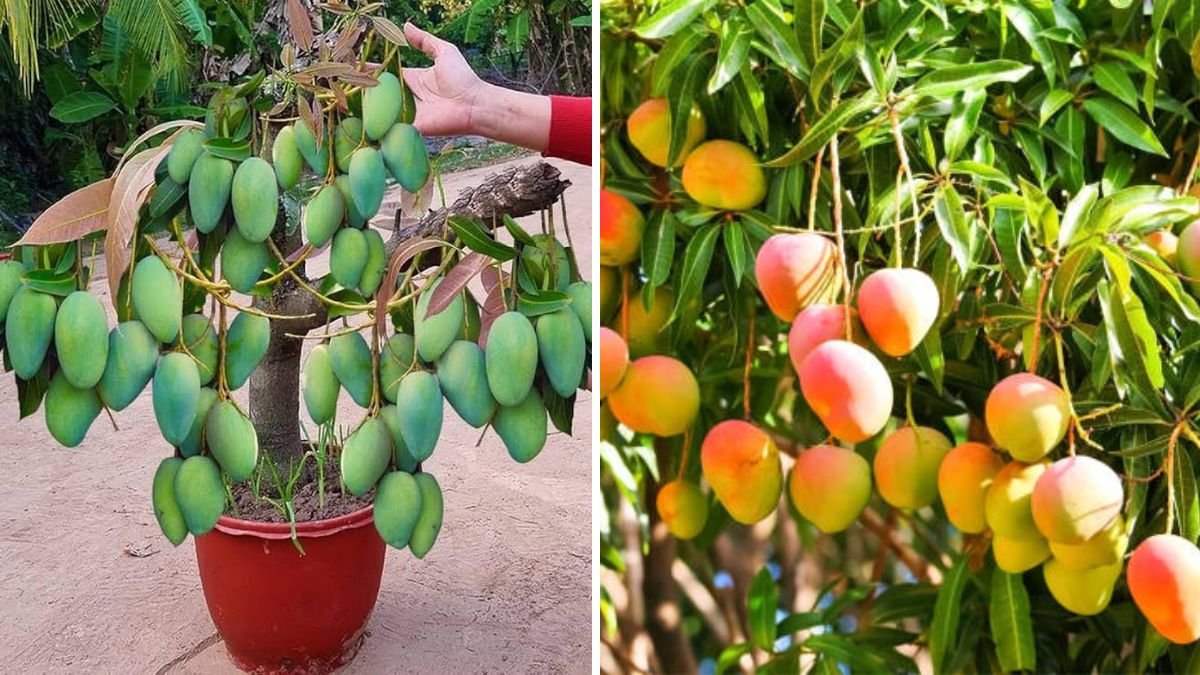
Mangoes are one of the most beloved fruits in the world, cherished for their sweet taste, aroma, and nutritional benefits. But growing a productive mango tree isn’t always easy. Factors like climate, soil, and tree variety can influence the quality and quantity of fruit. Fortunately, grafting is a tried-and-tested method to ensure healthy trees that bear abundant, high-quality mangoes. In this article, we explore a great idea for grafting mango trees that can help gardeners and farmers alike maximize fruit production and maintain tree health.
Why Grafting Mango Trees?
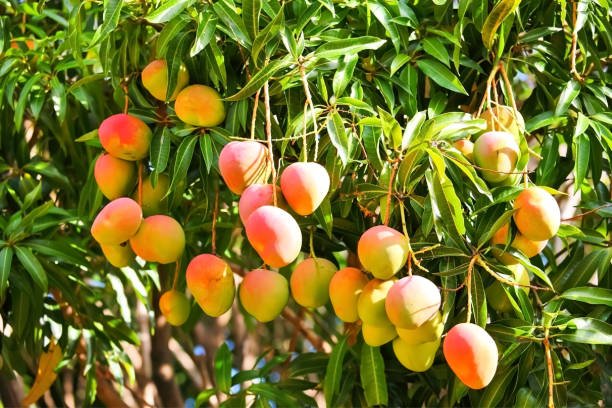
Grafting is a horticultural technique where tissues from one plant are inserted into another so that the two grow together. When done properly, grafting allows you to combine the best qualities of two plants—often leading to stronger growth, disease resistance, and better fruit yield. For mango trees, grafting offers several advantages:
- Faster Fruiting: Seed-grown mango trees can take 5–8 years to bear fruit, while grafted trees can produce fruit in 2–4 years.
- Consistent Fruit Quality: Grafting ensures the new tree inherits the desirable traits of the parent, such as taste, texture, and color of the fruit.
- Disease Resistance: Healthy scion selection can reduce susceptibility to common mango diseases like powdery mildew or anthracnose.
- Space Efficiency: Grafted trees can be trained to grow in smaller spaces, making them suitable for home gardens.
Understanding Mango Grafting
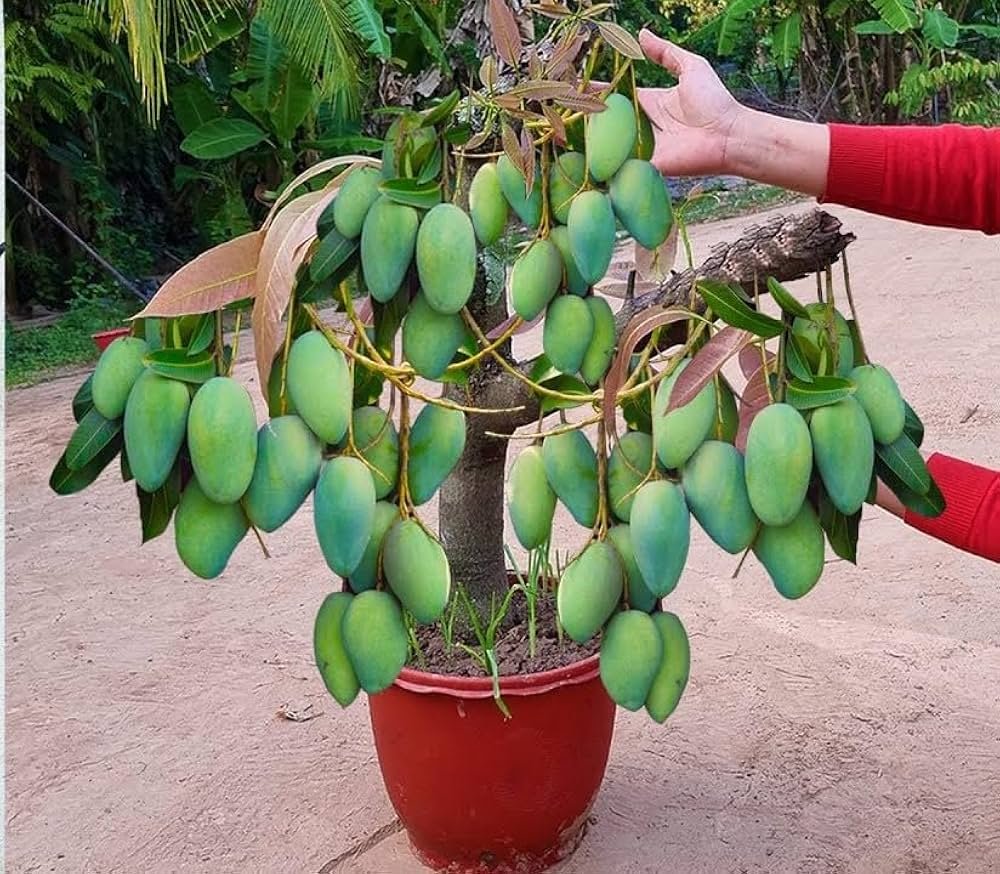
Before you start grafting, it’s important to understand the basic components:
- Rootstock: This is the lower part of the plant, providing the root system. Rootstocks are chosen for their hardiness, disease resistance, and adaptability to soil conditions.
- Scion: This is the upper part of the plant that will grow into the new tree. The scion determines the type and quality of mango fruit produced.
By carefully combining a strong rootstock with a high-quality scion, you can create a tree that thrives and produces excellent fruit.
Step 1: Choosing the Right Rootstock and Scion
Selecting the right materials is critical for successful grafting:
- Rootstock Selection: Look for a young, healthy mango tree that is disease-free and has a robust root system. Common choices include wild mango varieties that are adaptable and hardy.
- Scion Selection: Choose a scion from a mature mango tree that bears high-quality fruit. Ensure the scion is free from pests, disease, and deformities. Typically, a healthy branch about 6–12 inches long works best.
Step 2: Preparing the Grafting Tools
Precision is key in grafting. You’ll need:
- A sharp grafting knife
- Clean pruning shears
- Grafting tape or parafilm
- A disinfectant solution (to sterilize tools)
Ensure all tools are clean to prevent disease transmission. Sterilizing the knife between cuts can greatly improve success rates.
Step 3: Selecting the Grafting Method
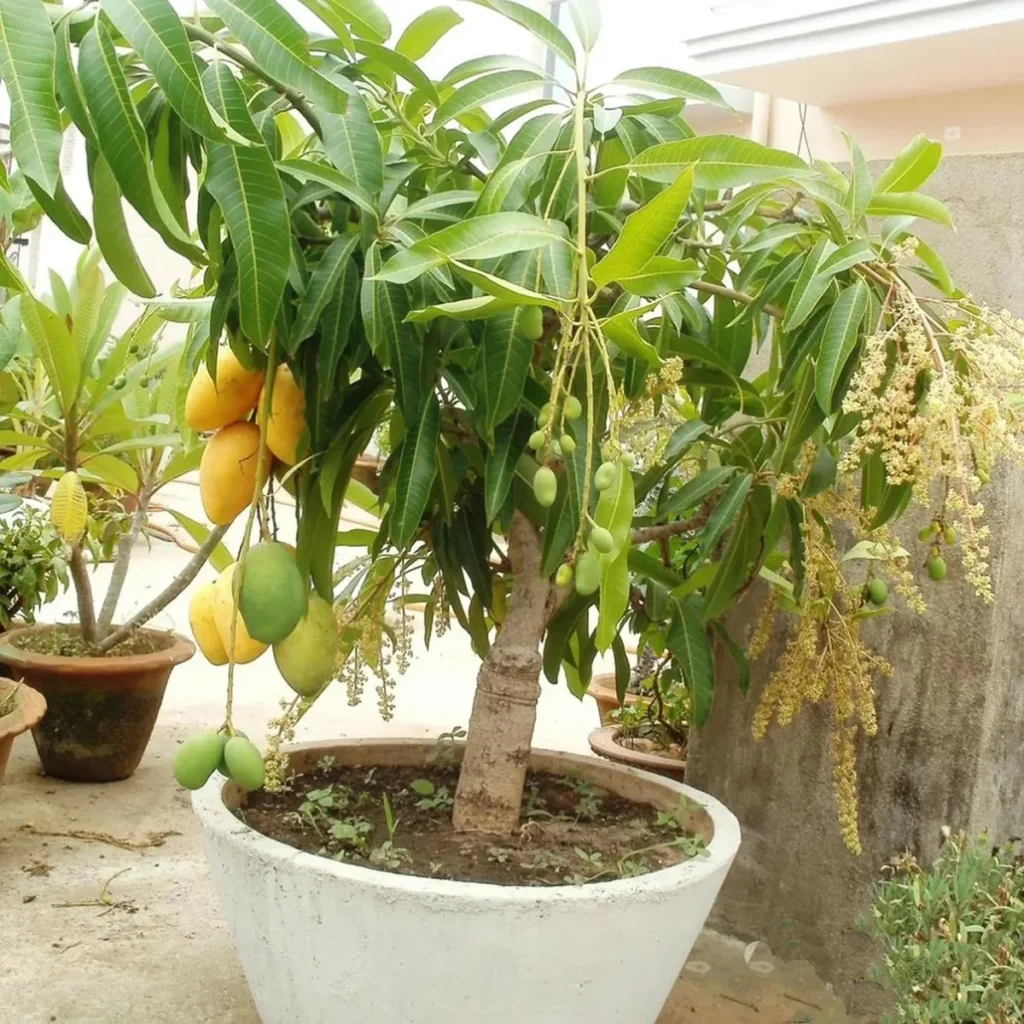
There are several methods for grafting mango trees, but two popular techniques include:
- Cleft Grafting: Ideal for young rootstocks with a thick stem. A vertical cut is made in the rootstock, and the scion is inserted into the slit.
- Side Veneer Grafting: Suitable for thinner stems. The scion is cut into a wedge and attached to a slanted cut on the side of the rootstock.
Both methods require careful alignment of the cambium layers—the green layer just under the bark—to ensure proper fusion.
Step 4: Performing the Graft
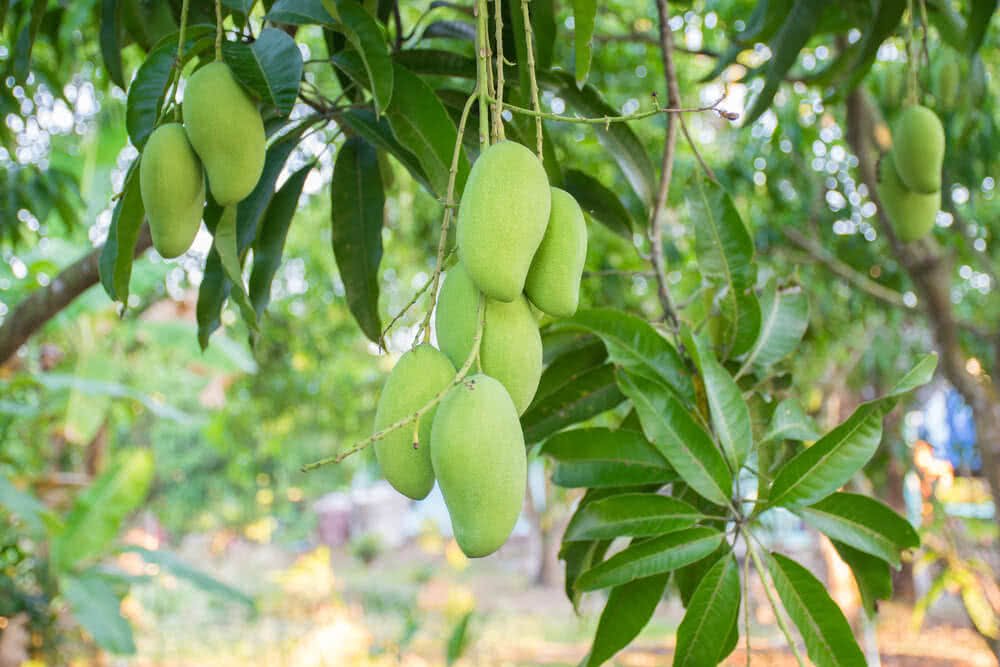
Here’s a step-by-step guide for cleft grafting:
- Prepare the Rootstock: Make a vertical slit about 2–3 inches long in the rootstock.
- Trim the Scion: Shape the base of the scion into a wedge to fit snugly into the rootstock slit.
- Insert the Scion: Carefully place the scion into the slit, ensuring cambium layers of both the scion and rootstock are touching.
- Secure the Graft: Wrap the graft union tightly with grafting tape or parafilm to hold it in place and prevent moisture loss.
- Apply Sealant: Optionally, you can apply grafting wax to protect the cut surfaces from drying out and infection.
Step 5: Aftercare for the Grafted Mango Tree
Once grafting is complete, proper aftercare is essential for successful growth:
- Watering: Keep the soil moist but not waterlogged. Overwatering can cause root rot, while underwatering may dry out the graft.
- Sunlight: Place the grafted plant in a partially shaded area for a few weeks to reduce stress. Gradually acclimate it to full sun.
- Fertilization: Apply a balanced, slow-release fertilizer to encourage root and shoot growth.
- Monitoring: Check the graft regularly for signs of wilting, disease, or improper healing. Remove any shoots from the rootstock below the graft, as they can sap energy from the scion.
Step 6: Anticipating Growth and Fruiting
Patience is key when growing grafted mango trees. Typically:
- First Year: The scion establishes itself and develops strong shoots and leaves.
- Second Year: The tree grows more vigorously, and flowering may begin.
- Third Year: Expect the first harvest of high-quality mangoes, depending on climate and care.
Grafted mango trees can produce fruit consistently for decades if maintained properly.
Common Problems and Solutions
Even with careful grafting, some issues may arise:
- Graft Failure: Often due to misalignment of cambium layers, drying out, or infection. Re-grafting may be necessary.
- Pest Infestation: Aphids, scale, or mealybugs can harm the scion. Use organic pesticides or neem oil as a preventive measure.
- Disease: Fungal infections can occur at the graft union. Keep the area clean, remove infected tissue, and apply fungicide if needed.
Bonus Tips for Successful Mango Grafting
- Timing: The best time for grafting is during the active growth season when sap flow is strong, usually in spring or early summer.
- Multiple Grafts: Grafting multiple scions on the same rootstock increases the chances of success.
- Record Keeping: Track the varieties you graft, dates, and success rates for future improvements.
- Pruning: Regular pruning after grafting promotes strong growth and prevents overcrowding of branches.
Conclusion
Grafting mango trees is a brilliant way to enhance fruit quality, reduce the time to fruiting, and ensure a healthy, long-lived tree. By carefully selecting a robust rootstock, a high-quality scion, and following proper grafting techniques, you can create mango trees that are both productive and resilient.
This great idea for grafting mango trees opens up new possibilities for home gardeners and commercial growers alike, combining science, art, and patience to enjoy the sweet rewards of nature. Whether you aim for a backyard orchard or a larger-scale planting, mastering mango grafting is an investment that will bring years of fruitful satisfaction.