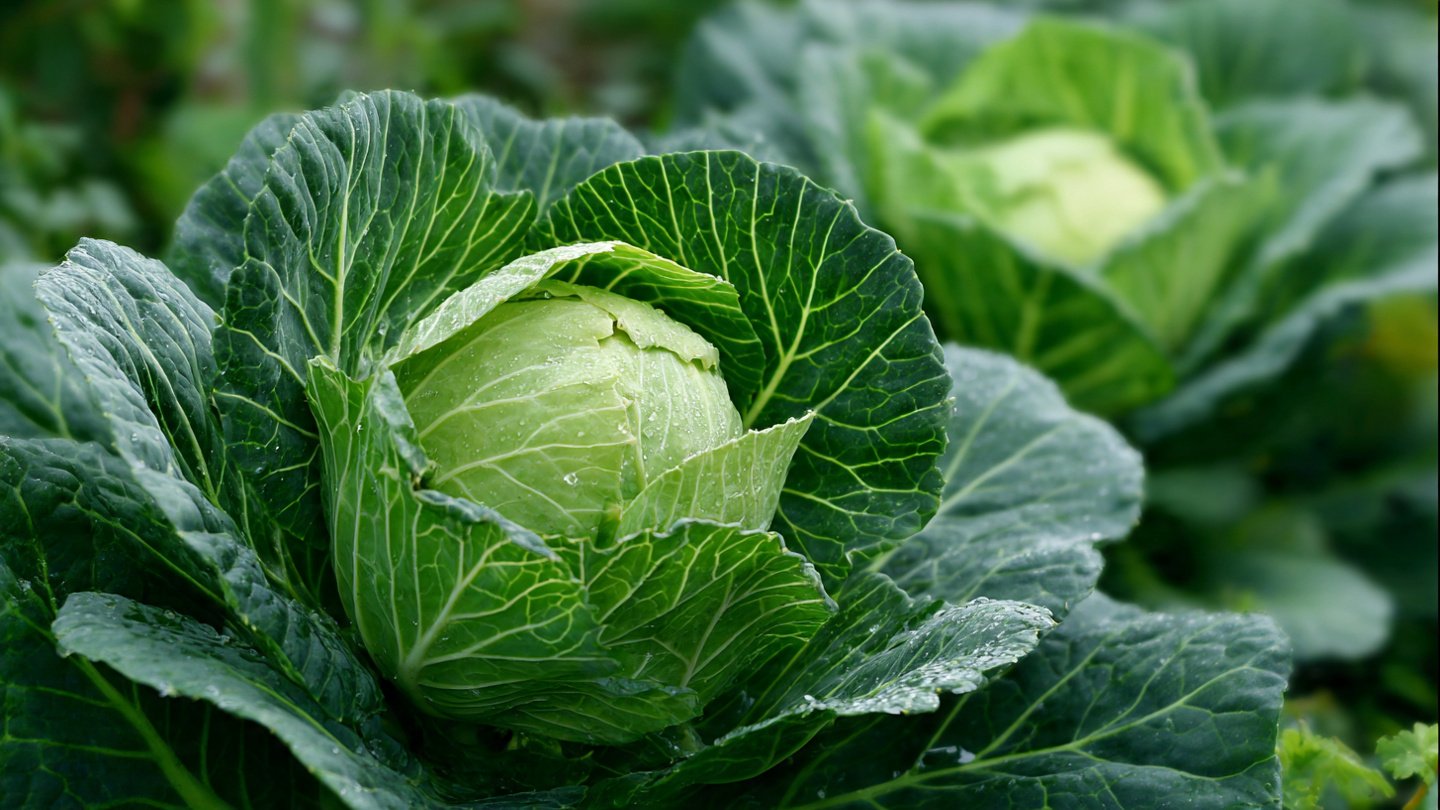
Growing cabbage at home is a rewarding experience for gardeners, whether you are a novice or have some gardening background. Cabbage is a versatile vegetable that can be used in a variety of dishes, from fresh salads to cooked meals. The key to harvesting tight, compact cabbage heads lies in proper soil preparation, planting, watering, and care throughout the growing season. This comprehensive step-by-step guide will help you achieve healthy, tightly packed cabbage heads in your home garden.
1. Choosing the Right Cabbage Variety
The first step in growing tight cabbage heads is selecting the right variety for your climate and soil conditions. There are several types of cabbage, including:
- Green Cabbage: This is the most common type, with smooth, pale green leaves that form tight heads.
- Red Cabbage: Known for its vibrant purple-red leaves and slightly stronger flavor.
- Savoy Cabbage: Has crinkled leaves and a milder taste, with heads that are typically less compact.
- Napa Cabbage: An Asian variety with elongated heads and tender leaves.
For tight heads, green and red cabbage varieties are preferable. Some popular tight-head varieties include ‘Ball Head,’ ‘Golden Acre,’ ‘Stonehead,’ and ‘January King.’ Make sure to choose a variety suited to your local growing conditions and season length.
2. Preparing the Soil
Cabbage thrives in well-draining, fertile soil rich in organic matter. The ideal soil pH for cabbage is between 6.0 and 6.8.
Steps to Prepare the Soil:
- Test the Soil pH: Use a soil testing kit to check the pH. If necessary, apply lime to raise the pH or sulfur to lower it.
- Add Organic Matter: Incorporate compost, well-rotted manure, or leaf mold into the soil to improve fertility and drainage.
- Loosen the Soil: Work the soil to a depth of at least 12-15 inches to ensure good root growth.
- Add Fertilizer: Apply a balanced fertilizer rich in nitrogen, as cabbages are heavy feeders. Follow package instructions for application rates.
3. Starting Seeds Indoors
For best results, start cabbage seeds indoors 6-8 weeks before the last expected frost date in your area.
Seed Starting Tips:
- Use Seed Trays or Small Pots: Fill with a good quality seed-starting mix.
- Plant Seeds: Sow seeds about ¼ inch deep and keep the soil consistently moist.
- Provide Light: Once seedlings emerge, provide ample light using a sunny window or grow lights, aiming for 12-16 hours of light per day.
- Maintain Temperature: Keep temperatures around 65-75°F (18-24°C) for optimal germination.
When seedlings develop 2-3 true leaves and are about 3-4 inches tall, they are ready for transplanting outdoors.
4. Transplanting Seedlings
Transplant seedlings outdoors when the soil temperature is at least 50°F (10°C) and the risk of frost has passed.
Transplanting Steps:
- Harden Off Seedlings: Gradually expose them to outdoor conditions over 7-10 days to reduce transplant shock.
- Space Plants Appropriately: Plant seedlings 12-24 inches apart in rows spaced 24-36 inches apart, depending on the cabbage variety.
- Plant Deep Enough: Set seedlings slightly deeper than they were in pots to encourage strong root development.
- Water Well: Water immediately after transplanting to settle the soil around the roots.
5. Watering and Fertilizing
Consistent moisture is crucial for cabbage to develop tight heads.
Watering Guidelines:
- Keep Soil Evenly Moist: Water deeply once or twice a week, depending on rainfall and temperature.
- Avoid Water Stress: Both drought and waterlogging can cause loose heads or splitting.
- Mulching: Apply organic mulch like straw or leaves around plants to retain moisture and suppress weeds.
Fertilization:
- Side Dress: Apply nitrogen-rich fertilizer about 3-4 weeks after transplanting and again mid-season if needed.
- Feed Wisely: Avoid over-fertilization as it can lead to lush foliage but loose heads.
6. Managing Pests and Diseases
Cabbage is susceptible to common garden pests and diseases. Proper management ensures healthy heads.
Common Pests:
- Cabbage Worms and Loopers: Use row covers, handpick larvae, or introduce natural predators like ladybugs.
- Aphids: Spray with insecticidal soap or neem oil.
- Slugs and Snails: Use traps, barriers, or organic baits.
Common Diseases:
- Black Rot: Avoid overhead watering and provide good air circulation.
- Downy Mildew: Plant resistant varieties and ensure soil drainage.
- Clubroot: Practice crop rotation and maintain proper soil pH.
7. Supporting Growth
As cabbage heads form, some gardeners use external supports.
- Support Plants: If heads appear to be leaning or wind is an issue, use stakes or cages.
- Thin Plants: If multiple seedlings were planted together, thin to allow only the healthiest plant to grow.
8. Harvesting Cabbage Heads
Timing your harvest is essential to get tight heads.
Harvesting Tips:
- Monitor Head Size: Harvest when heads feel firm and dense. Size varies by variety but generally between 4-10 inches in diameter.
- Cut Carefully: Use a sharp knife to cut heads at the base, leaving outer leaves and stem in the ground to encourage a second, smaller crop if desired.
- Harvest Before Splitting: Avoid waiting too long as heads may split, especially after heavy rain.
9. Post-Harvest Handling
Proper handling extends the freshness of your cabbages.
- Remove Loose Outer Leaves: Clean any dirty or damaged leaves.
- Store Properly: Store cabbage in the refrigerator at 32-40°F (0-4°C) with high humidity.
- Use Promptly: Fresh cabbage is best used within a couple of weeks for optimal flavor and texture.
Final Tips for Growing Tight Cabbage Heads
- Rotate crops to reduce disease risk.
- Avoid planting cabbage in the same spot year after year.
- Keep an eye on environmental conditions and adjust care routine accordingly.
- Harvest regularly to prevent over-maturing and splitting.
Growing tight cabbage heads at home requires patience, consistent care, and attention to detail. By following these steps, you can enjoy fresh, crunchy, and flavorful cabbage straight from your garden. Happy gardening!