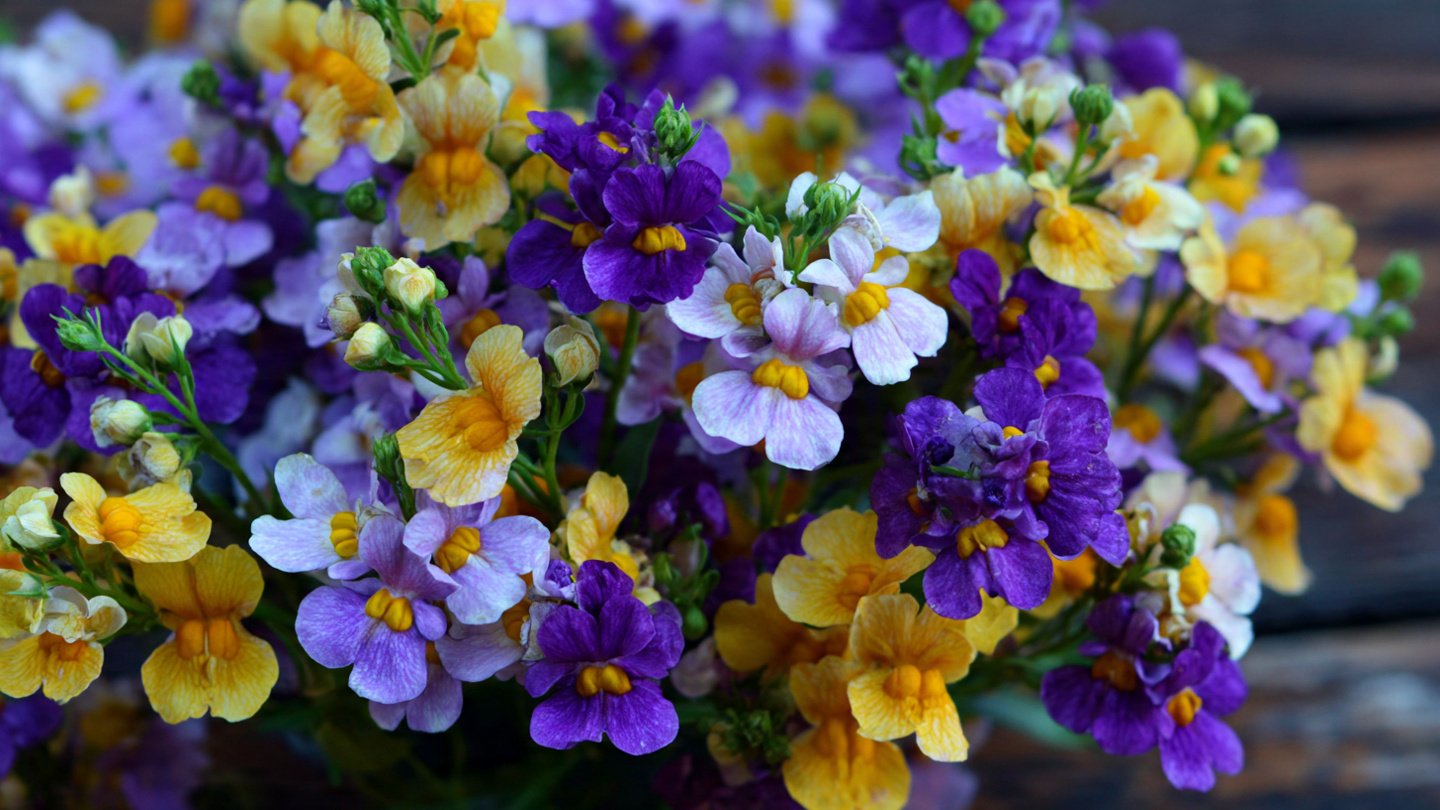
Nemesia, a charming flowering plant native to South Africa, offers a delightful spectrum of colors that can brighten up any garden space. With its attractive flowers and pleasant scent, nemesia is a fantastic choice for gardeners looking to add a burst of color and life. In this article, we will explore everything you need to know about growing a vibrant nemesia color mix in your garden, from selecting the right variety to planting, care, and maintenance.
Understanding Nemesia
What is Nemesia?
Nemesia belongs to the Scrophulariaceae family and consists of many species, featuring a mix of annuals and perennials. The plant typically displays small, colorful flowers resembling snapdragons and comes in a variety of shades, including violet, pink, orange, yellow, and white. The vibrant blooms usually appear in clusters, making them highly attractive to pollinators like bees and butterflies.
Benefits of Nemesia in Your Garden
-
Aesthetic Appeal: The striking colors and unique flower shape make nemesia a favorite among gardeners.
-
Pollinator-Friendly: By attracting pollinators, nemesia contributes to a healthy garden ecosystem.
-
Versatility: It can thrive in borders, containers, hanging baskets, and even as ground cover.
-
Scent: Many nemesia varieties have a delightful fragrance, enhancing the sensory experience of your garden.
Choosing the Right Nemesia Varieties
When planning to grow a vibrant nemesia color mix, your first step is selecting the right varieties. Some popular choices include:
-
Nemesia fruticans: This type is known for its bushy habit and striking colors. It grows well as an annual or perennial depending on your climate.
-
Nemesia strumosa: This variety features a more compact growth and is often used in combination plantings or containers.
-
Nemesia ‘Wisley Vanilla’: Renowned for its unique creamy-yellow flowers that emit a sweet scent, this variety can be a standout in your garden.
-
Nemesia ‘Daisy’: A series that produces a wide array of color mixes, ideal for creating a vibrant display.
For the most stunning effect, consider mixing different varieties of nemesia that bloom in complementary or contrasting colors.
Preparing Your Garden
Choosing the Right Location
Nemesia thrives in well-draining soil and a location with full sun to partial shade. Aim for at least four to six hours of sunlight daily. If planting in a hot climate, consider offering afternoon shade to prevent stress on the plants.
Soil Considerations
Nemesia prefers slightly acidic to neutral soil, ideally with a pH level between 6.0 and 7.0. Here are some steps for preparing your soil:
-
Test Soil pH: Use a soil testing kit to determine the pH level. Adjust as necessary using lime to raise the pH or sulfur to lower it.
-
Improve Drainage: To enhance drainage, mix organic matter such as compost or well-rotted manure into the soil. This improves soil structure and fertility.
-
Fertilize: Incorporate a balanced fertilizer into the soil before planting. Choose a formula that is high in potassium to promote blooming.
Planting Nemesia
When to Plant
In temperate climates, the best time to plant nemesia is in the spring after the last frost. However, in warmer regions, you can also plant in the fall for a winter bloom.
Planting Steps
-
Seed or Seedling: Decide whether to start from seeds or buy established seedlings. Seeds can be sown indoors about 8-10 weeks before the last frost.
-
Spacing: If transplanting seedlings, space them 8 to 12 inches apart, depending on the variety. This spacing allows for proper air circulation and growth.
-
Planting Depth: Dig holes that are slightly larger than the root ball of your seedlings, and plant them at the same depth they were in their pots.
-
Watering: After planting, water thoroughly to settle the soil. Maintain consistent soil moisture for the first few weeks as the plants establish.
Caring for Your Nemesia
Watering
Water nemesia regularly, especially during dry spells. However, avoid waterlogging, as nemesia prefers well-draining soil. A good rule of thumb is to water when the top inch of soil feels dry.
Fertilization
To encourage lush growth and vibrant blooms, apply a balanced liquid fertilizer every four to six weeks during the growing season. Avoid over-fertilizing, as this can lead to lush foliage at the expense of flowers.
Pruning and Deadheading
Deadheading—removing spent flowers—helps promote further blooming. Prune back leggy growth to encourage a bushier plant. Typically, after the first wave of blooms, a light trim can rejuvenate the plant.
Pest and Disease Management
While nemesia is relatively low-maintenance, it can still face some common pest and disease challenges:
-
Pests: Watch for aphids, spider mites, and whiteflies. Use insecticidal soap or neem oil to treat infestations.
-
Diseases: Root rot can be a concern if overwatered. Ensure proper drainage and avoid water on the leaves to minimize fungal diseases.
Using Nemesia in Your Garden Design
Container Gardening
Nemesia thrives in containers, making them an excellent choice for patios and balconies. Choose pots with adequate drainage holes and fill them with quality potting soil. Mix different nemesia varieties for a cheerful display.
Border Planting
Planting nemesia along borders can create a vibrant edge in your garden. Their compact growth habit and rich colors make them ideal for formal and informal garden designs.
Mixed Plantings
Combine nemesia with other flowering plants for visual interest. They pair beautifully with trailing plants such as lobelia or petunias, and their height variation can create a layered look.
Troubleshooting Common Issues
Poor Flowering
If your nemesia isn’t blooming well, check the following:
- Light: Ensure they are receiving enough sun.
- Fertilization: Too much nitrogen can lead to lush green growth but fewer flowers.
- Water: Inconsistent watering may cause stress.
Wilting or Yellow Leaves
This can indicate overwatering or underwatering. Check moisture levels, and ensure the soil drains well. Adjust your watering schedule accordingly.
Conclusion
Growing a vibrant nemesia color mix in your garden is not only achievable but also incredibly rewarding. With their beauty, fragrance, and pollinator-friendliness, these delightful plants can transform your outdoor spaces. By following the steps outlined in this article—selecting the right varieties, preparing your soil, planting, and providing proper care—you can cultivate a vibrant display that will bloom with joy and color throughout the season.
Happy gardening! May your nemesia flourish and fill your garden with its vibrant charm!