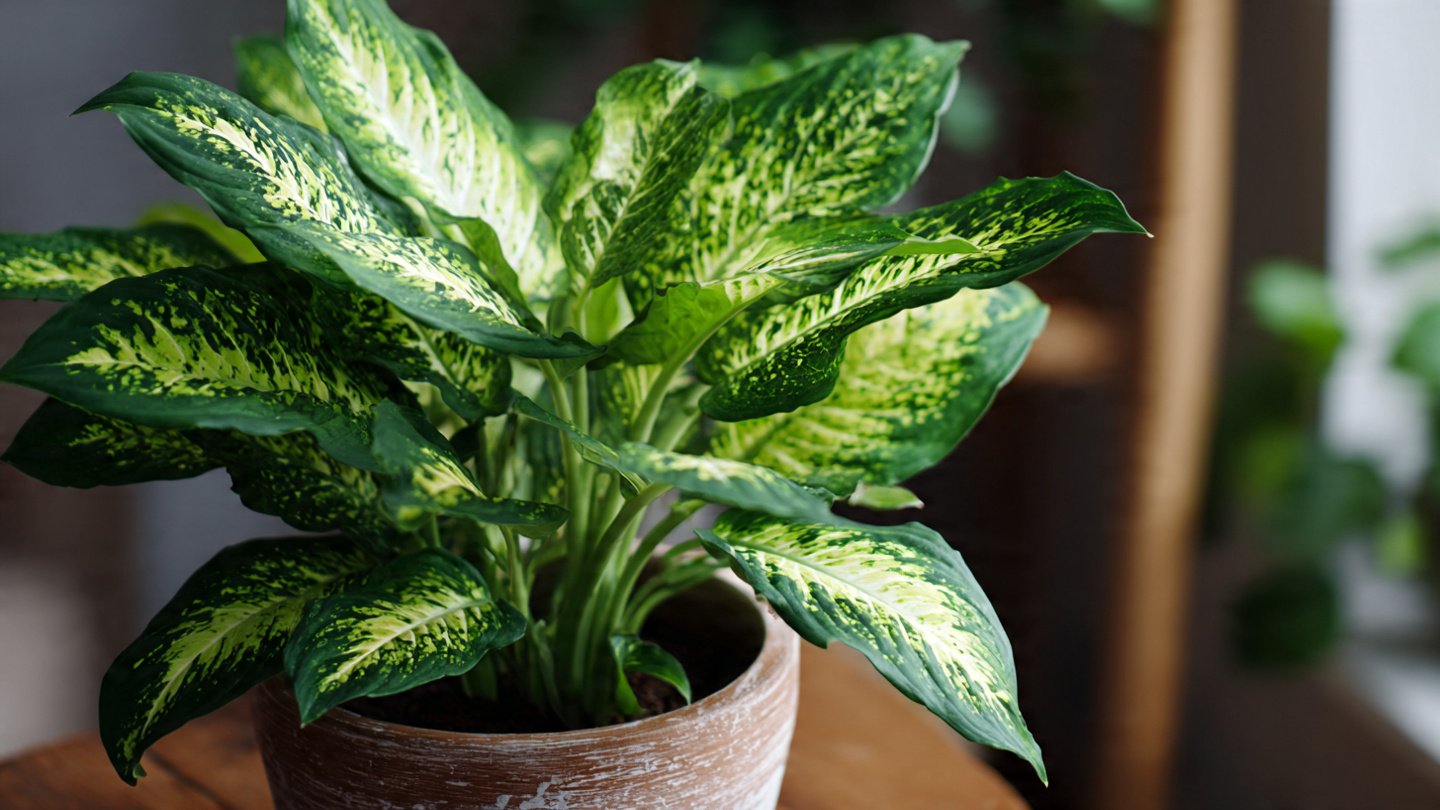
Dumb cane, scientifically known as Dieffenbachia, is a captivating indoor plant renowned for its lush foliage and impressive height, making it a popular choice for homeowners and plant enthusiasts alike. Its broad, variegated leaves, which typically feature splashes of white and cream against deep green, add a vibrant touch to any indoor space. Aside from its aesthetic appeal, dumb cane is also relatively easy to care for, making it an excellent option for both beginner and experienced gardeners. This comprehensive guide will delve into how to grow dumb cane, covering essential aspects such as choosing the right variety, optimal growing conditions, potting, watering, and pest management.
Choosing the Right Variety
Dumb cane comes in various cultivars, offering a range of leaf shapes, colors, and sizes. Some popular varieties include:
- Dieffenbachia seguine: Known for its strikingly patterned leaves, this variety is a classic choice for indoor foliage.
- Dieffenbachia amoena: This type has darker leaves with cream and yellow markings, providing a more dramatic appearance.
- Dieffenbachia picta: Distinguished by its broad leaves and unique color variations, it is suitable for bright indoor spaces.
When selecting a variety, consider your indoor climate, light conditions, and aesthetic preferences. Research different dieffenbachia types to find the one that suits your space best.
Optimal Growing Conditions
Light Requirements
Dumb cane thrives in bright, indirect light, although it can tolerate lower light levels. However, insufficient light can result in leggy growth, while direct sunlight may scorch the leaves. To achieve the best results:
- Placement: Position your dumb cane near a north-facing window or a spot that receives filtered sunlight. If you have south or west-facing windows, ensure that the plant is protected from direct sunlight, perhaps by using sheer curtains.
- Rotation: Occasionally rotate the plant to ensure even light exposure and avoid one-sided growth.
Temperature and Humidity
Dumb cane enjoys warm conditions and does best in temperatures ranging from 60°F to 80°F (15°C to 27°C). Significant temperature fluctuations can stress the plant.
-
Avoid Cold Drafts: Keep it away from doors or windows that let in drafts.
-
Humidity: As a tropical plant, dumb cane prefers higher humidity levels (ideally around 50-70%). You can increase humidity by:
- Misting the leaves regularly.
- Using a pebble tray filled with water beneath the pot, ensuring the pot does not sit directly in the water.
- Employing a humidifier in dry indoor environments.
Potting and Soil Requirements
Choosing the Right Pot
When planting or repotting dumb cane, choose a pot that is slightly larger than the root ball and has drainage holes. Terracotta pots are excellent for preventing overwatering, as they allow the soil to dry out more rapidly.
Soil Selection
Use a well-draining potting mix, ideally formulated for houseplants. A mixture of peat moss, perlite, and vermiculite provides the aeration and drainage that dumb cane needs. You can also mix regular potting soil with coarse sand or perlite to ensure adequate drainage.
Watering Guidelines
Dumb cane prefers to be evenly moist but not soggy. The frequency of watering will depend on your specific environment, but here are some general guidelines:
- Check Moisture: Before watering, insert your finger about an inch into the soil. If it feels dry, it’s time to water.
- Water Thoroughly: Water the plant until excess liquid drains out of the bottom of the pot, ensuring the roots receive adequate moisture.
- Avoid Overwatering: Standing water can lead to root rot, which is detrimental to the plant’s health. Make sure your pot has proper drainage and avoid letting the pot sit in water.
Fertilization Strategies
Feeding your dumb cane is essential for vigorous growth and vibrant foliage. During the growing season (spring and summer), you should fertilize your plant every 4-6 weeks with a balanced houseplant fertilizer diluted to half strength.
- Avoid Winter Fertilization: During the fall and winter months, growth slows down, and the plant doesn’t require as much nutrients. You can reduce or eliminate fertilization during this period.
Pruning and Maintenance
Regular pruning not only helps maintain the plant’s shape but also encourages healthy growth. You can prune dumb cane by:
- Removing Dead or Yellowing Leaves: This promotes airflow and helps prevent disease.
- Trimming Leggy Growth: If your plant is becoming too tall or leggy, cut back the stems to encourage bushier growth.
- Repotting: Reassess your plant’s size every couple of years and repot if necessary. Spring is the best time to do this, as it allows the plant to establish itself in the new soil.
Managing Pests and Diseases
Dumb cane is generally resistant to pests, but it can be affected by common household pests such as spider mites, mealybugs, and aphids. Here are some tips on managing these issues:
- Regular Inspections: Periodically check the undersides of leaves and stems for signs of pests.
- Cleaning Leaves: Wipe leaves with a damp cloth to remove dust and potential pests.
- Insecticidal Soap: For infestations, consider using an insecticidal soap or neem oil solution as an organic pest control method.
Diseases
Common diseases affecting dumb cane include root rot and leaf spots, often caused by overwatering or poor air circulation.
- Root Rot: If you suspect root rot, inspect the roots. Healthy roots will be white and firm, while unhealthy roots will appear brown and mushy. Trim off affected areas and repot in fresh, dry soil.
- Leaf Spots: If you notice black or brown spots on the leaves, this may indicate fungal issues. Remove affected leaves and ensure proper air circulation and watering practices to prevent further problems.
Propagation Techniques
If you fall in love with your dumb cane and want to propagate it, you can do so via stem cuttings or division.
Stem Cuttings
- Select a Healthy Stem: Choose a stem with at least two nodes (the points where leaves attach).
- Cut the Stem: Using sharp, sterile scissors, cut just below a node.
- Rooting: Place the cutting in water or directly into moist potting soil. If rooting in water, change the water regularly.
- Transplant: Once roots develop (1-2 inches long), transplant the cutting into a pot with appropriate soil.
Division
- Remove the Plant from its Pot: Carefully extract the entire plant, ensuring you don’t damage the roots.
- Divide the Root Ball: Gently separate the root ball into smaller sections, each with a few stems and roots.
- Re-Pot: Plant the divisions into new pots with suitable potting mix.
Conclusion
Growing dumb cane offers a delightful way to bring vibrant greenery indoors. With its eye-catching foliage and manageable care requirements, it serves as an excellent choice for anyone looking to enhance their home or office environment. By following the guidelines outlined in this guide, you can create optimal growing conditions, nurture healthy plants, and enjoy the lush beauty of dumb cane for years to come.
Whether you’re a seasoned plant lover or a newcomer to the world of indoor gardening, embracing dumb cane will surely make your living space feel more alive and inviting. Happy planting!