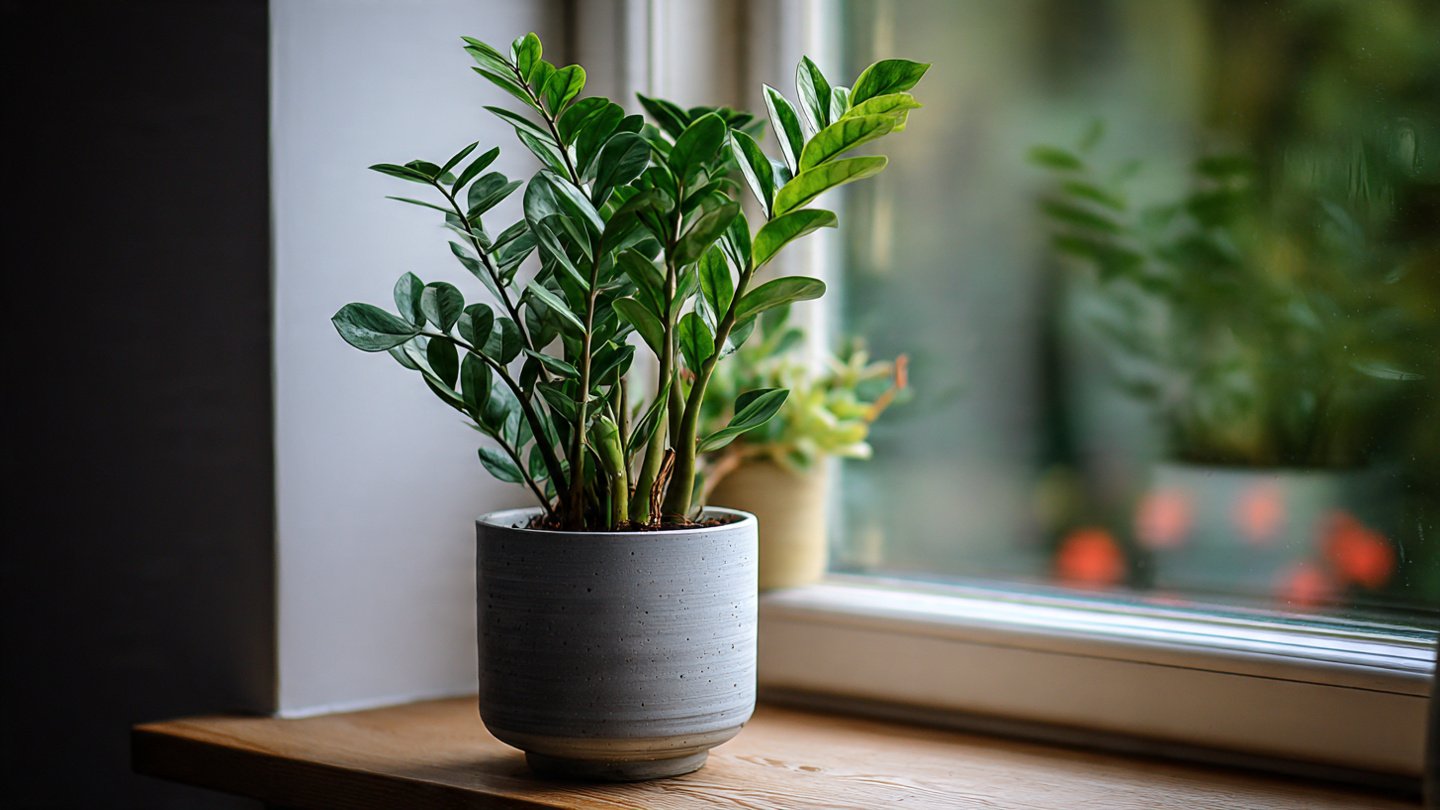
The ZZ plant, scientifically known as Zamioculcas zamiifolia, is celebrated for its stunning glossy leaves and remarkable resilience. Native to East Africa, this plant has gained popularity among houseplant enthusiasts due to its low maintenance requirements and ability to thrive in various conditions, including low water settings. In this comprehensive guide, we’ll explore how to cultivate a thriving ZZ plant, focusing on the optimal methods for growing it with minimal water.
Understanding the ZZ Plant
Before diving into care techniques, it’s essential to understand what makes the ZZ plant unique:
- Drought Tolerance: The ZZ plant stores water in its rhizomes, allowing it to survive extended periods without watering.
- Low Light Adaptability: This plant is capable of thriving in low-light conditions, making it an ideal choice for offices and homes with minimal sunlight.
- Air Purification: The ZZ plant is known to improve indoor air quality by filtering out toxins.
Essential Care Requirements
Even though the ZZ plant is low-maintenance, understanding its care requirements is crucial to cultivate a thriving specimen.
Light Conditions
ZZ plants can adapt to a range of light conditions:
- Low Light: Thrives in low light but grows slower.
- Indirect Bright Light: Optimal growth occurs under bright, indirect light; however, it can tolerate direct sun for short periods.
Best Practice:
Place your ZZ plant in a location with indirect sunlight or fluorescent lighting to promote healthier growth without the risk of leaf scorching.
Watering Guidelines
Watering is one of the most critical aspects of ZZ plant care, especially if you aim to cultivate it in low-water conditions.
General Watering Approach
- Frequency: Water every 2-3 weeks, allowing the soil to dry out completely between waterings.
- Observation: Check the top inch of the soil; if it’s dry, it’s time to water.
Signs of Overwatering & Underwatering
- Overwatering: Yellowing leaves and mushy stems are indicators of too much water.
- Underwatering: Wilted leaves or a droopy appearance often signify a water deficiency.
Watering Technique
- Use room temperature, distilled, or rainwater to avoid chemical shock.
- Water directly into the soil, avoiding the leaves to prevent rot.
Choosing the Right Soil
A well-draining soil mixture is essential for the ZZ plant, as it prevents water from accumulating around the roots.
Soil Recommendations
- Type: Use a cactus or succulent mix, or create your own by combining potting soil, perlite, and sand.
- pH Level: Aim for a slightly acidic to neutral pH (6.0-7.0).
The addition of perlite or sand helps facilitate drainage, which is vital for preventing root rot.
Selecting the Perfect Pot
Choosing the right pot is another crucial factor:
- Drainage: Ensure the pot has drainage holes to allow excess water to escape.
- Material: Terracotta pots are preferable for their breathability; plastic pots can retain moisture, so use them cautiously.
Repotting
Repot your ZZ plant every 2-3 years or when it outgrows its container. Choose a pot slightly larger than the previous one to allow room for growth.
Fertilization Needs
ZZ plants require minimal fertilization, making them even easier to care for.
Recommended Fertilizers
- Use a balanced, water-soluble fertilizer diluted to half strength during the growing season (spring and summer).
- Fertilize once a month during the growing season and avoid feeding in the fall and winter when the plant is dormant.
Signs of Nutrient Deficiency
- Pale leaves may indicate a deficiency in essential nutrients. If this occurs, consider adjusting your fertilization routine.
Temperature and Humidity Requirements
The ZZ plant flourishes in a range of temperatures and has low humidity requirements:
Ideal Temperature Range
- Optimal: Between 60°F and 75°F (15°C – 24°C).
- Tolerance: Can tolerate temperatures as low as 45°F (7°C) but grows poorly.
Humidity Levels
- ZZ plants prefer average household humidity levels and can adapt to drier conditions without any issues.
Pest Management
While ZZ plants are relatively pest-resistant, they can occasionally attract common houseplant pests.
Common Pests
- Spider Mites: Common in dry environments; look for webbing and tiny dots on leaves.
- Mealybugs: Appear as white cotton-like clusters on stems and leaves.
Treatment Methods
- Use insecticidal soap or neem oil for treatment.
- Regularly inspect for pests and wipe leaves with a damp cloth to minimize infestation.
Propagation Techniques
If you’d like to expand your ZZ plant collection, propagation is fairly simple.
Leaf Cuttings
- Allow leaf cuttings to dry for 5-7 days.
- Plant in well-draining soil and water sparingly until roots establish.
Division
- When repotting, you can also divide the plant into smaller sections, ensuring each section has roots and a robust stem.
Common Issues and How to Fix Them
Despite its hardy nature, you may encounter a few issues during your ZZ plant’s growth.
Yellowing Leaves
Causes: Often caused by overwatering or poor drainage.
Solution: Adjust the watering schedule and ensure proper drainage.
Drooping Leaves
Causes: Underwatering or root rot due to overwatering.
Solution: Assess and adjust watering frequency and check for rotting roots.
Brown Leaf Tips
Causes: Low humidity or underwatering.
Solution: Increase humidity around the plant or water more frequently, ensuring not to soak the roots.
Seasonal Care Adjustments
The ZZ plant’s care requirements can vary throughout the year.
Spring and Summer
This is the growing season; increase watering frequency and consider fertilizing monthly.
Fall and Winter
Reduce watering to allow the plant to rest; avoid fertilizing during this period.
Conclusion
Cultivating a thriving ZZ plant in low-water conditions is entirely feasible with the right approach. By understanding its unique characteristics and care requirements, you can enjoy a stunning, resilient houseplant that not only beautifies your space but also improves air quality.
Summary of Key Points
- Light: Prefers low to indirect bright light.
- Watering: Allow the soil to dry out between waterings; generally, every 2-3 weeks.
- Soil: Use well-draining soil; a cactus mix can be ideal.
- Pests: Monitor for spider mites and mealybugs.
- Propagation: Leaf cuttings and division are effective methods.
With these tips, you can cultivate a vibrant ZZ plant, making it a valuable addition to your home or office. By following these best practices, you’ll ensure that your ZZ plant not only survives but thrives, regardless of the low-water environment. Remember, patience and observation are key; in time, your ZZ plant will reward you with its lush, vibrant foliage and unique charm. Happy gardening!