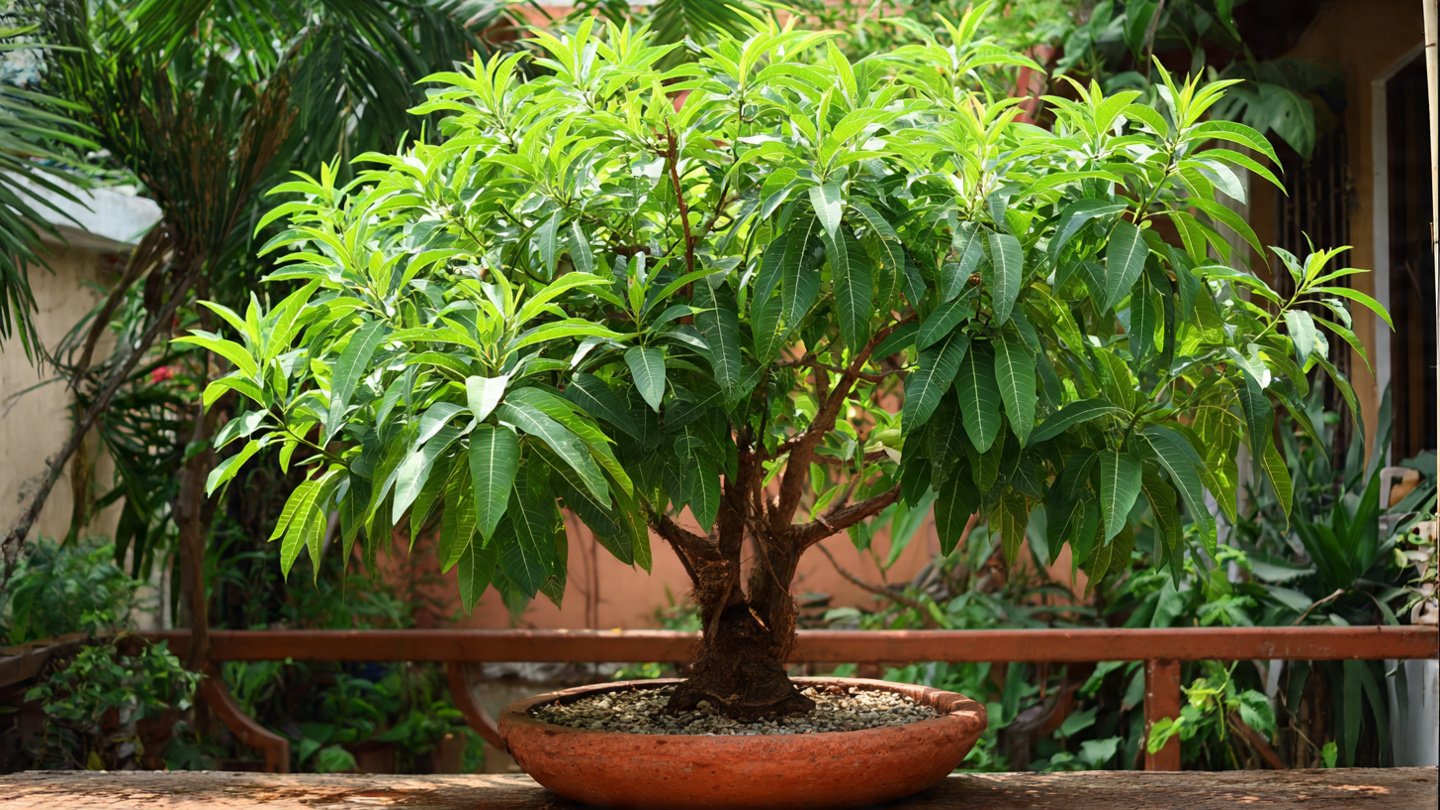
Mango trees are a delightful addition to any garden, offering delicious fruits and lush greenery. For those who live in areas with limited space or harsh climates, growing a mango tree in a pot can be a great solution. However, just like their larger counterparts in the ground, potted mango trees require careful attention to keep them healthy and productive. One of the most essential aspects of mango tree care is pruning. This article will guide you through the steps to effectively prune a mango tree in a pot for optimal health and growth.
Understanding Mango Tree Growth
Before diving into pruning techniques, it’s critical to understand the growth habits of mango trees. Mango trees are generally fast-growing and can reach heights of up to 100 feet in their natural habitat. However, in a pot, they are more manageable, typically growing to about 3-6 feet depending on the variety and pot size. Their growth is influenced by several factors, including:
-
Variety: Different mango varieties have different growth patterns. Some are dwarf varieties suitable for pots, while others can grow large unless pruned.
-
Pot Size: The size of the pot affects root growth, which in turn influences the overall growth of the tree.
-
Climate and Care: Temperature, humidity, watering, and fertilization play significant roles in the health and growth of your mango tree.
Why Prune a Mango Tree?
Pruning is an essential part of mango tree maintenance for several reasons:
-
Control Size: Regular pruning helps manage the tree’s size, making it easier to care for and harvest the fruit.
-
Promote Air Circulation: Pruning creates an open canopy that allows air to circulate freely, reducing the risk of fungal infections and pests.
-
Enhance Sunlight Penetration: Properly pruned trees receive more sunlight, leading to better fruit development.
-
Remove Diseased or Dead Wood: This prevents the spread of disease and allows the tree to allocate resources more efficiently.
-
Encourage New Growth: Pruning stimulates the production of new shoots and branches, which can lead to more fruit.
Tools Needed for Pruning
To effectively prune your mango tree in a pot, you will need the following tools:
-
Bypass Pruners: Ideal for cutting small branches and twigs. They make clean cuts that help the plant heal quickly.
-
Loppers: Suitable for thicker branches that are too large for pruners.
-
Hedge Shears: Useful for shaping the tree and trimming smaller leaves and branches.
-
Gloves: Protect your hands from cuts and sap.
-
Disinfectant: Clean your tools with rubbing alcohol or a bleach solution to prevent the spread of diseases.
When to Prune
Understanding the right time to prune is crucial for the health of your mango tree. The best time to prune a mango tree in a pot is during the tree’s dormancy period, typically at the end of winter or early spring before new growth begins. This timing ensures minimal stress for the tree and promotes a healthy burst of growth in the warmer months.
In warmer climates, some light pruning can also be done in late summer after the harvest to maintain size and health. However, avoid heavy pruning during the flowering season, as this can affect fruit production.
Step-by-Step Guide to Pruning a Mango Tree
1. Assess the Tree’s Health
Before you start pruning, assess the overall health of your mango tree. Look for signs of disease, such as yellowing leaves, black spots, or fungal growth. If the tree shows signs of poor health, address these issues before pruning, as stressed trees may not handle pruning well.
2. Start with Dead or Diseased Wood
Using your bypass pruners, begin by removing any dead, diseased, or damaged branches. Cut these branches back to the point of healthy wood or to the main trunk. Be thorough; removing sick wood is critical to maintaining a healthy tree.
3. Thin Out the Canopy
Next, examine the overall canopy. Look for overcrowded branches that may be competing for sunlight and air. Use loppers for thicker branches and pruners for thinner ones. Aim to create an open structure that allows light to penetrate and air to circulate. A well-balanced canopy will also distribute nutrients evenly to all parts of the tree.
4. Shape the Tree
While pruning, consider the shape of your mango tree. A well-shaped tree is not only aesthetically pleasing but also supports healthy growth. Aim for an open center, which typically involves cutting back lateral branches to encourage upward growth.
-
Cutting Back Tall Shoots: If you have long, unbranched shoots, cut them back by about a third to encourage bushier growth.
-
Uniform Canopy: Ensure that the height of the branches is even. If some branches are significantly taller, consider cutting them back.
-
Remove Suckers: Suckers, or water sprouts, are fast-growing shoots that appear at the base of the trunk or along main branches. These can be removed as they divert energy away from fruit production.
5. Maintain Healthy Branches
Keep an eye on the remaining healthy branches. If a branch has become too thick and is shading others, thin it out by cutting it back. Make sure that no branch crosses another, as this can lead to injury and promote diseases.
6. Clean Up
Once you’ve finished pruning, clean up the area around your mango tree. Remove any fallen leaves, fruits, or cut branches that can harbor pests and diseases. Proper hygiene is key in preventing infestations.
Aftercare for Your Pruned Mango Tree
Pruning is just the first step in caring for your mango tree. After pruning, consider the following:
-
Watering: Ensure that your mango tree receives adequate water, especially after pruning. This helps the tree recover from stress.
-
Fertilization: Apply a balanced fertilizer to encourage new growth. Fertilizer high in nitrogen will stimulate leaf growth, while phosphorus encourages flowering and fruiting.
-
Mulching: Apply organic mulch around the base of the tree to retain moisture and suppress weeds.
-
Monitoring: Keep an eye on your tree’s progress after pruning. Watch for new growth and be on the lookout for any signs of disease or pest infestations.
Common Mistakes to Avoid
-
Over-Pruning: Pruning too aggressively can harm the tree. Always aim for moderation.
-
Ignoring Tree Variety: Ensure that your pruning practices are suitable for the specific variety of mango you’re growing.
-
Pruning at the Wrong Time: Avoid pruning during the flowering or fruiting season, as this can affect your tree’s productivity.
-
Neglecting Tools: Always use clean, sharp tools to avoid tearing the bark, which can lead to infections.
Conclusion
Pruning your mango tree in a pot is essential for maintaining its health, controlling its size, and promoting fruitful growth. By understanding the growth habits of mango trees and following the appropriate techniques outlined in this guide, you can ensure that your potted mango tree thrives and produces delicious fruit for years to come. Remember that each tree is unique; monitor its growth and adjust your pruning methods accordingly for the best results. Happy gardening!