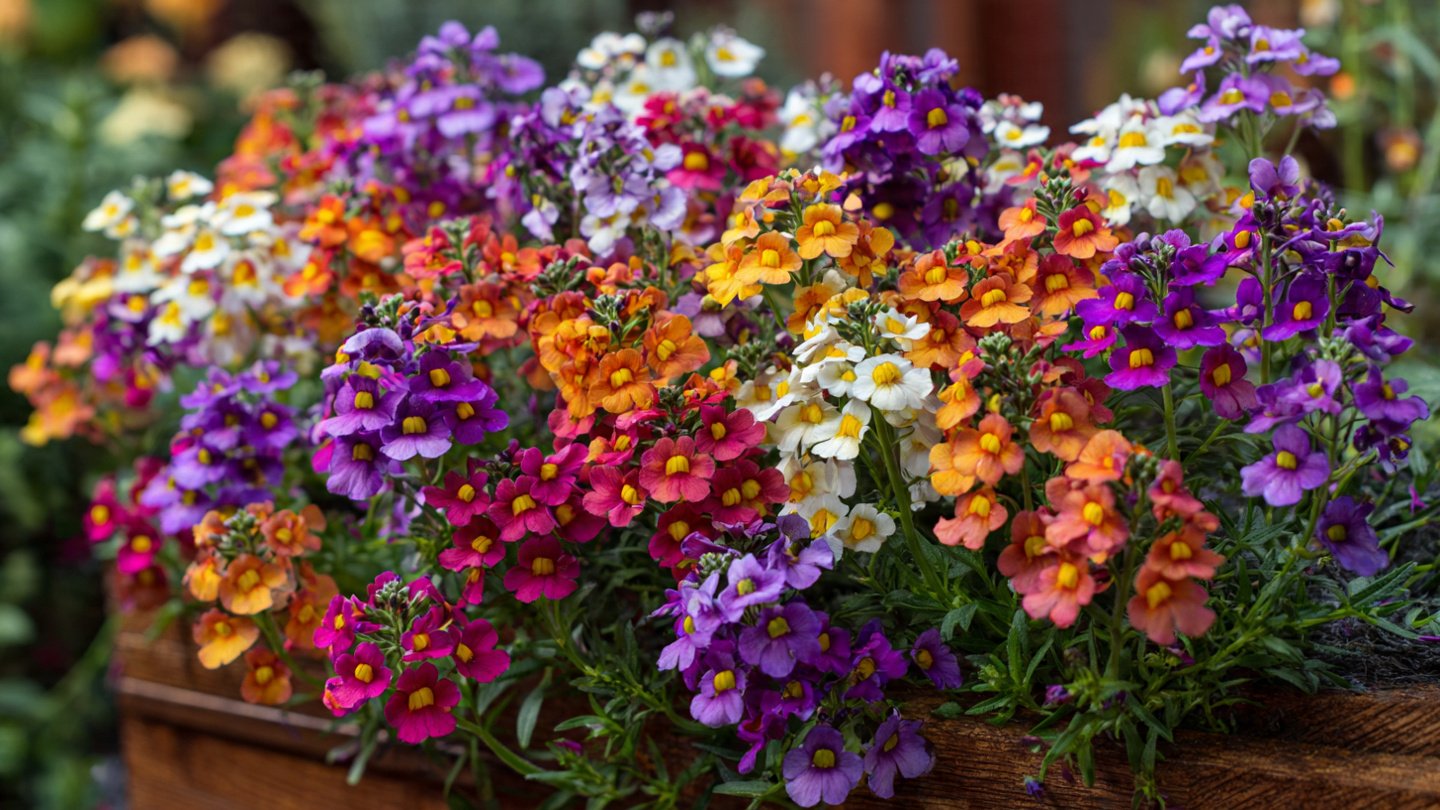
Nemesia is a charming and versatile flower that adds a splash of color and character to any garden. With a wide range of hues, including rich blues, vibrant pinks, and sunny yellows, a nemesia color mix can provide an eye-catching display from spring through fall. If you’re considering incorporating these delightful plants into your garden, this comprehensive guide will walk you through the steps to grow a thriving nemesia color mix.
Understanding Nemesia
Before diving into the growing process, it’s essential to understand what nemesia is. This genus of flowering plants belongs to the Scrophulariaceae family and originates from South Africa. They are mostly perennial, but certain varieties are annual. Nemesia plants feature delicate, tubular flowers that bloom profusely, attracting pollinators like bees and butterflies.
Tips for Selecting Nemesia Varieties
When planning your nemesia color mix, consider the following tips:
-
Choose Your Varieties: Popular nemesia varieties include ‘Nemesia strumosa’ and newer hybrids offering diverse color palettes. Some popular varieties are ‘Sundae’, ‘Wisley Vanilla’, and ‘Bluebird’.
-
Height Variations: Ensure you have a mix of heights for visual interest. Some nemesia varieties stay low, while others may grow taller.
-
Growth Habits: Some plants are more sprawling, while others tend to be compact. Choose a mix that suits your garden layout.
-
Consider Foliage: Both the leaves and flowers contribute to the overall aesthetic. Some leaves are attractive in their own right.
Soil Preparation
Healthy soil is critical for the success of your nemesia plants. Here’s how to prepare your garden soil:
Soil Type
Nemesia thrives in well-draining soil. Ideal soil is lightweight and has good aeration. You may consider a mix of garden soil, compost, and perlite or sand to ensure proper drainage.
Soil pH
Nemesia prefers slightly acidic to neutral soil (pH 6.0 to 7.0). You can test your soil using a home testing kit and amend it as necessary with lime to raise the pH or sulfur to lower it.
Adding Organic Matter
Incorporate plenty of organic material, such as well-rotted compost or aged manure. This will improve soil structure, provide nutrients, and enhance moisture retention.
Location
Choosing the right location is vital for optimal growth. Follow these guidelines to determine the best spot in your garden:
Sunlight
Nemesia plants flourish in full sun but can tolerate partial shade. Ideally, they should receive at least 6 hours of sunlight daily for the best blooms. In particularly hot climates, some afternoon shade can be beneficial.
Wind Protection
While nemesia is fairly sturdy, strong winds can damage delicate flowers. Consider planting them in a sheltered area or use barriers to protect them.
Companions
Pair nemesia with other plants that have similar light and watering needs. Good companions include petunias, snapdragons, and marigolds.
Planting Nemesia
Now that you have prepared your soil and chosen the right location, it’s time to plant. Here’s a step-by-step guide:
Timing
The ideal time to plant nemesia is in the spring, after the last frost. If you are in a warmer climate, you can also plant in the fall for a winter bloom.
Transplanting Seedlings
If you’re growing nemesia from seeds, start them indoors about 8-10 weeks before the last frost. Transplant seedlings outside when they are 3-4 inches tall and at least two weeks after the last frost date.
Spacing
With most nemesia varieties, you should space plants about 10 to 12 inches apart to allow for growth and airflow.
Watering After Planting
After planting, water the young plants thoroughly. Continue to monitor moisture levels, especially during the first few weeks, until the plants establish their roots.
Watering and Fertilizing
Proper watering and fertilization are crucial to maintain healthy plants.
Watering
Nemesia prefers consistently moist soil but should not be waterlogged. Water deeply and allow the top inch of soil to dry out between watering. During particularly hot weather, you may need to water every other day.
Fertilizing
Using a balanced, slow-release fertilizer once every 6-8 weeks during the growing season helps provide the necessary nutrients. Liquid fertilizers are also effective if applied every few weeks.
Pest and Disease Management
While nemesia is generally pest-resistant, keeping an eye out for common pests and diseases will help maintain plant health.
Pests
Watch for aphids, whiteflies, and spider mites. Regularly check the undersides of leaves and stems. If you notice any pests, treat them with insecticidal soap or neem oil.
Diseases
Root rot can occur if the soil is too wet. Good drainage and avoiding overhead watering can help prevent this issue. Powdery mildew may appear in humid conditions; ensure proper air circulation.
Maintenance
Once your nemesia color mix is in full bloom, maintaining the plants is essential for continued growth and vibrancy.
Deadheading
Regular deadheading (removing spent flowers) encourages more blooms and prolongs flowering. Gently pinch off faded flowers just above the first set of leaves.
Pruning
If plants become leggy, you may need to prune them back to encourage bushier growth. Late in the season, consider cutting plants back by one-third to rejuvenate them for fall blooms.
Mulching
Applying a layer of mulch around your plants helps retain soil moisture, suppress weeds, and regulate soil temperature.
Seasonal Care and Overwintering
Depending on your climate, some nemesia varieties can survive winter, while others may need special care.
Annual Varieties
If you’ve chosen annual nemesia, you can treat them as temporary bed fillers and replace them with seasonal plants or winter cover crops.
Perennial Varieties
For perennial nemesia, you may cut back the plants in late fall after they finish blooming. Applying a light mulch helps insulate them through winter.
Container Plants
If you’ve planted nemesia in pots, consider bringing them indoors during frost. Place them in a cool, well-lit area.
Enjoying Your Vibrant Display
With proper planning, care, and maintenance, your nemesia color mix will be a stunning addition to your garden.
Arranging Your Display
Consider planting in drifts or clusters to create impactful bursts of color. Mixing different varieties and colors can create a tapestry effect, enhancing visual interest.
Seasonal Displays
As nemesia blooms through spring and summer, pairing them with other annuals that bloom at different times can keep your garden lively all year long.
Attracting Pollinators
By growing nemesia, you’re not just beautifying your space; you’re also attracting butterflies, hummingbirds, and beneficial insects that will help pollinate other plants in your garden.
Conclusion
Growing a vibrant nemesia color mix can be an incredibly rewarding experience. From selecting the right varieties and preparing your soil to maintaining and enjoying your blooming plants, you have the tools necessary to create a stunning floral display. These adaptable and colorful plants can elevate your garden design, providing a lively and enchanting atmosphere that brings joy to both you and your local wildlife. With the right care and a little patience, your garden will flourish with vibrant color and delightful fragrance, making it a beautiful haven for all who visit. So grab your gardening gloves, gather your nemesia seeds or seedlings, and get ready to cultivate a stunning garden that bursts with life!