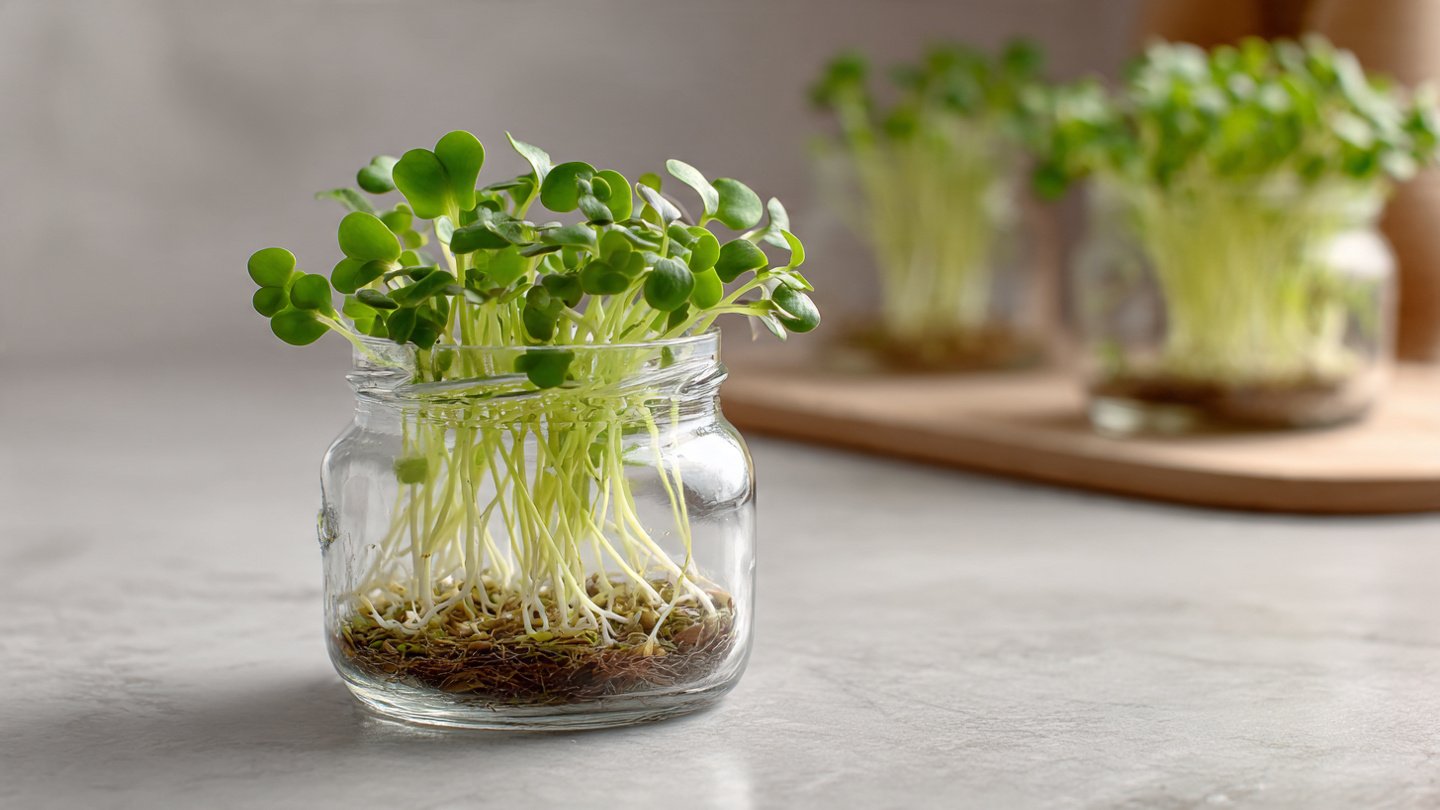
Growing sunflower shoots at home is a rewarding and straightforward endeavor that can yield delicious and nutritious results. With their nutty flavor and tender texture, sunflower shoots are a great addition to various dishes, from salads to sandwiches. Not only are they packed with vitamins and minerals, but they also provide an easy way to add fresh greens to your diet. This guide will walk you through the steps of growing sunflower shoots easily at home, whether you have a large garden or just a small kitchen counter.
Understanding Sunflower Shoots
Sunflower shoots are young sunflower plants, typically harvested when they are about 7–14 days old. These tiny greens are known for being rich in nutrients, including vitamins A, B, C, D, and E, calcium, iron, magnesium, and various antioxidants. They are an excellent source of protein and healthy fats, making them a perfect addition to a balanced diet.
The best part about growing sunflower shoots is that they can be cultivated indoors or outdoors, depending on your available space and climate. Whether you use soil or hydroponic methods, you’ll find that they are relatively low-maintenance and quick to grow.
Choosing the Right Seeds
Before you start growing sunflower shoots, you need to select high-quality seeds. Look for “sprouting” sunflower seeds, which are specifically designed for growing microgreens. These are often labeled as Helianthus annuus (common sunflower) and can be found at gardening stores, health food stores, or online.
Key Seed Considerations
- Non-GMO and Organic: Choose seeds that are organic and non-GMO for the healthiest shoots possible.
- Freshness: Always check the expiration date on the seed package. Fresh seeds yield better germination rates.
Preparing to Grow
Supplies You’ll Need
Here’s a list of supplies that will help you grow your sunflower shoots easily:
- Seeds: High-quality sunflower seeds.
- Growing Medium: You can choose between soil, coconut coir, or even a hydroponic system.
- Containers: Shallow trays or containers that have drainage holes.
- Water: For soaking seeds and misting.
- Light Source: A sunny windowsill or a grow light.
- Plastic Cover or Humidity Dome: To maintain moisture during germination.
Step-by-Step Process to Grow Sunflower Shoots
Step 1: Soak the Seeds
Begin by soaking your sunflower seeds in water for 4–8 hours. This process helps to initiate germination, making it easier for the seeds to sprout. After soaking, rinse them under running water to remove any debris or dust.
Step 2: Prepare the Growing Medium
If you’re using soil, fill your container with about 1.5 inches of potting mix or coconut coir, leveling it off to create an even surface. If using a hydroponic system, prepare it according to the manufacturer’s instructions.
Step 3: Sow the Seeds
Sprinkle the soaked sunflower seeds evenly over the growing medium. Aim for a density of about 40-50 seeds per square inch; they should be close but not overcrowded. Gently press the seeds into the soil to ensure good soil-to-seed contact.
Step 4: Water the Seeds
Mist the surface of the seeds gently using a spray bottle, ensuring that the soil is damp but not waterlogged. It’s vital to keep the seeds moist but avoid standing water.
Step 5: Cover the Seeds
To create a humid environment conducive to germination, cover the seed tray with plastic wrap or a humidity dome. This helps retain moisture. Remove the cover once the seeds start to sprout, usually within 2-3 days.
Step 6: Provide Light
Once the seeds have sprouted, move them to a well-lit area. Sunflower shoots need about 12-16 hours of light per day for optimal growth. If you’re growing them indoors without sufficient sunlight, consider using a grow light.
Step 7: Water Regularly
Keep the soil consistently moist but not soggy. Water the shoots daily or as needed, using a spray bottle to gently mist them. Avoid overhead watering to prevent damaging the delicate sprouts.
Step 8: Harvesting
Your sunflower shoots will be ready to harvest in about 7–14 days, once they reach about 4–6 inches in height, and have developed their first true leaves (the second set of leaves that appear). The shoots should feel firm and green.
To harvest, cut the shoots just above the soil level using sharp scissors. Rinse them under cool water and pat them dry gently with a paper towel.
Tips for Ongoing Care
- Temperature: Sunflower shoots thrive best in temperatures between 70°F and 75°F (21°C to 24°C).
- Air Circulation: Ensure good air circulation around the shoots to prevent mold growth. This can be achieved by slightly opening windows or using a small fan.
- Avoiding Pests: Keep an eye out for pests such as aphids or fungus gnats. If you notice any, remove them promptly or consider using a gentle insecticidal soap.
Nutritional Benefits
Sunflower shoots are not only easy to grow but also incredibly nutritious. Here’s a closer look at the health benefits they offer:
- Rich in Antioxidants: They contain various antioxidants that help combat oxidative stress in the body.
- Protein-Rich: As a source of plant-based protein, sunflower shoots are excellent for vegans and vegetarians.
- Healthy Fats: They provide healthy fatty acids that contribute to heart health.
- Vitamins and Minerals: Their rich nutrient profile supports overall health, including skin health and immune function.
Culinary Uses
Once you’ve successfully harvested your sunflower shoots, it’s time to enjoy them in your kitchen! Here are a few ideas for incorporating shoots into your meals:
- Salads: Toss them into salads for a crunchy texture.
- Sandwiches: Use them as a fresh topping in your sandwiches or wraps.
- Smoothies: Add a handful of shoots to your smoothies for extra nutrition.
- Garnishes: Use sunflower shoots as a garnish for soups and main dishes.
Storing Sunflower Shoots
If you have leftover sunflower shoots, proper storage is essential to maintain their freshness. Here’s how you can store them:
- Place the shoots in an airtight container lined with a paper towel.
- Store them in the refrigerator. They are best consumed within a week but can last up to 10 days if stored properly.
- Avoid washing them until you’re ready to eat, as excess moisture can promote spoilage.
Troubleshooting Common Issues
While growing sunflower shoots is relatively easy, you may encounter some common issues:
1. Mold Growth
If you notice mold developing on the shoots, it’s often due to overwatering or poor air circulation. Ensure your container has drainage holes and allow excess water to escape. Increase airflow and reduce watering frequency if necessary.
2. Wilting or Yellowing
If your sunflower shoots are wilting or turning yellow, it may be a sign of under-watering or nutrient deficiency. Ensure consistent moisture and consider using a diluted, organic liquid fertilizer if necessary.
3. Pests
If you notice pests such as aphids, remove them manually or wash them off with water. You can also use insecticidal soap as a treatment.
Conclusion
Growing sunflower shoots at home is a simple and fulfilling project that offers numerous health benefits and culinary applications. With minimal effort, you can enjoy fresh, homegrown greens that will enhance your meals and boost your nutrition. Whether you’re a gardening novice or an experienced green thumb, sunflower shoots are an excellent addition to your home planting ventures. Happy growing!