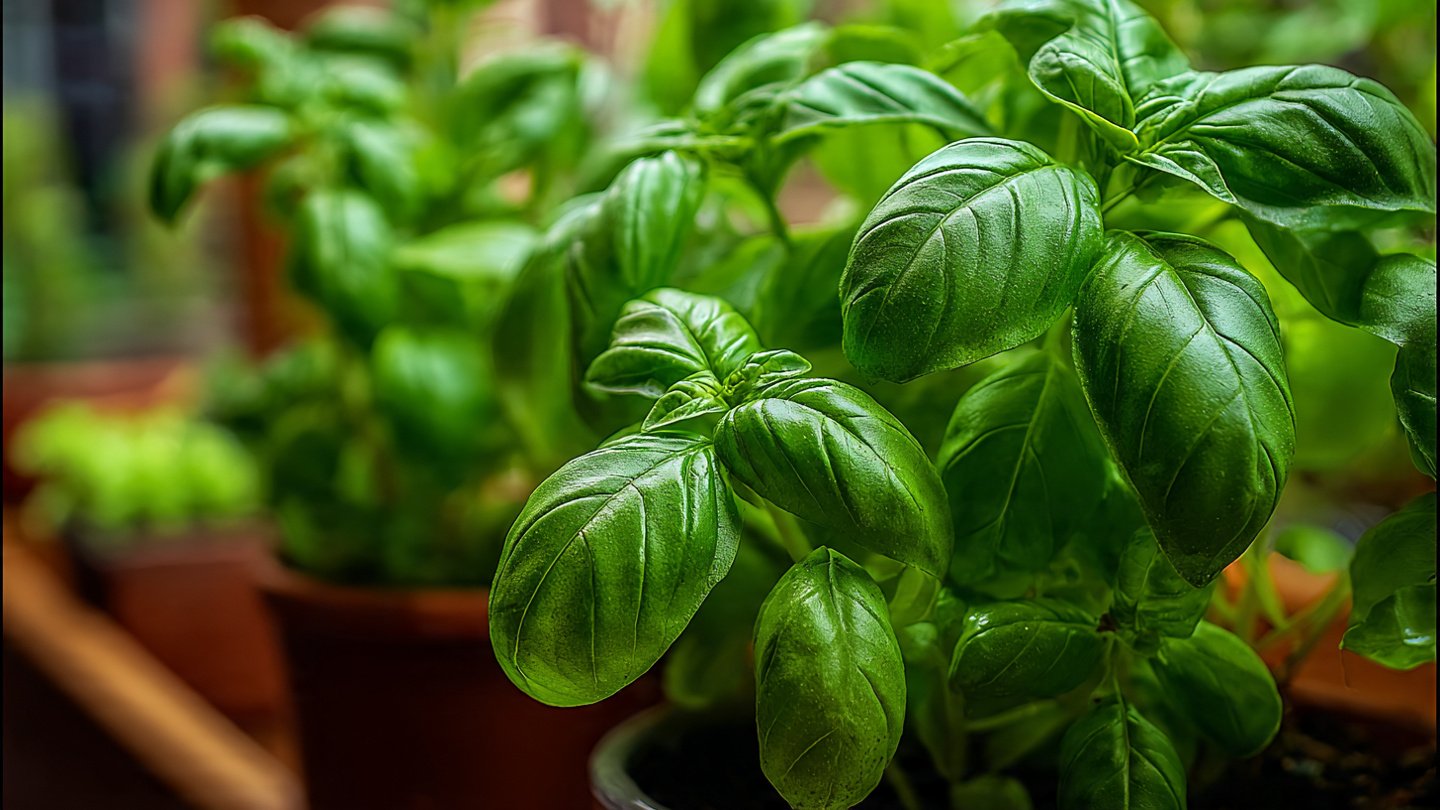
Growing basil in your home garden can be a rewarding and fragrant endeavor. Not only is basil a popular herb used in various culinary dishes, but it also adds aesthetic value to your space. Whether you have a large garden or a small balcony, compactly growing basil can be a simple and fulfilling project. This article will explore tips and techniques for cultivating basil effectively, ensuring lush growth even in limited spaces.
Understanding Basil
Before diving into the specifics of growing basil, it’s crucial to understand the plant itself. Basil (Ocimum basilicum) is a member of the mint family and is known for its aromatic leaves, which can range from sweet to peppery in flavor. There are several varieties of basil, including sweet basil, Thai basil, and purple basil, each offering unique tastes and uses.
Benefits of Growing Basil
- Culinary Uses: Fresh basil is a staple in many dishes, particularly in Italian cuisine. It’s excellent in pasta sauces, pesto, salads, and as a garnish.
- Health Benefits: Basil boasts numerous health benefits, including anti-inflammatory properties, rich antioxidants, and the ability to help alleviate stress.
- Aesthetic Appeal: Basil plants can serve as beautiful greenery, adding vibrancy to your space with their lush leaves and delightful aroma.
- Ease of Growth: Basil is relatively easy to grow, making it a perfect option for novice gardeners and those with limited space.
Selecting the Right Basil Variety
To successfully grow basil compactly, start by choosing the right variety for your needs. Here are some popular options:
- Sweet Basil: The most common variety, known for its bright green leaves and sweet flavor, making it ideal for Italian dishes.
- Thai Basil: This basil variety has a spicier taste and is often used in Southeast Asian cuisine. Its slightly purple stems and flowers add visual interest.
- Genovese Basil: Famous for its large leaves and rich flavor, it’s excellent for pesto and salads.
- Smoky Basil: An aromatic basil that’s perfect for grilling and adds a unique flavor to dishes.
- Compact Varieties: Some varieties, like ‘Tiny Tim’ or ‘Greek Basil’, are bred for smaller spaces and remain more compact in size.
Choosing the Right Container
Container gardening is an effective way to grow basil in small spaces. When selecting a container, consider the following:
- Size: A pot that is at least 6-8 inches deep offers enough room for roots to grow.
- Material: Terracotta, plastic, or ceramic pots work well. Ensure the container has drainage holes to prevent water logging.
- Number of Plants: Depending on the container size, you may choose to grow one or two plants per pot for a compact arrangement.
Soil Preparation
The right soil is essential for healthy basil growth. Consider the following tips for preparing your soil:
- Use Potting Mix: An organic potting mix designed for container gardening provides the necessary nutrients and drainage.
- pH Level: Basil prefers a slightly acidic to neutral pH (around 6.0-7.0). Using a potting mix with a balanced pH ensures optimal growth.
- Enrich with Organic Matter: Adding compost or well-aged manure can boost soil quality, providing essential nutrients for your basil.
Optimal Sunlight and Temperature
Basil thrives in warm temperatures and plenty of sunlight. Here are tips for ensuring your plants get the right conditions:
- Sunlight: Ideally, basil needs at least 6-8 hours of direct sunlight each day. A sunny windowsill or patio is perfect for container-grown basil.
- Temperature: Basil loves warmth; temperatures between 70°F to 90°F (21°C to 32°C) are ideal. Make sure to protect your plants from frost, as basil is sensitive to cold.
Watering Techniques
Proper watering is crucial to growing basil compactly and healthily. Here’s how to do it effectively:
- Consistent Moisture: Basil prefers consistently moist soil without being waterlogged. Water when the top inch of the soil feels dry.
- Water at the Base: Avoid wetting the leaves to prevent fungal diseases. Water directly at the base of the plant.
- Draining: Ensure that excess water can drain from the pot; stagnant water can lead to root rot.
- Humidity: If you’re growing basil indoors, consider placing a small humidifier nearby or misting the leaves occasionally for added moisture.
Fertilizing Your Basil
Basil benefits from regular fertilization, especially during its growing phase. Here’s how to nourish your plants effectively:
- Organic Fertilizers: Use a balanced, water-soluble fertilizer every 4-6 weeks. Fish emulsion or seaweed extract is excellent options for organic gardeners.
- Start Small: Begin with a half-strength solution to avoid over-fertilizing your plants, which can lead to lush foliage but decreased flavor.
- Monitor Growth: If your basil plants aren’t growing well, consider adjusting your fertilization routine based on their response.
Pruning and Harvesting
Pruning is vital for encouraging bushy growth and maximizing your basil harvest. Here’s how to do it effectively:
- Pinching: Beginning when your plant reaches about 6 inches tall, pinch off the top leaves. This encourages branching and a fuller plant.
- Regular Harvesting: Regularly cut leaves for use in culinary dishes. This not only provides fresh herbs but also promotes additional growth.
- Flower Bud Removal: If you notice flower buds forming, pinch them off. Flowering can lead to a decline in leaf production and flavor.
Companion Planting
Companion planting can benefit your basil’s growth and flavor while also optimizing the use of garden space. Consider planting basil alongside:
- Tomatoes: Basil is known to enhance tomato flavor and repel certain pests.
- Pepper Plants: Basil can deter aphids and spider mites, benefiting pepper plants.
- Carrots: Enjoy a mutually beneficial relationship as basil can help repel pests that affect carrots.
Avoid Planting with
- Rue: Rue can inhibit basil growth and flavor.
- Sage: These herbs can compete for nutrients.
Pest Management
Even in small home gardens, insects can pose a problem. Here are some natural pest control methods:
- Neem Oil: A natural pesticide that works against a range of pests while being safe for your plants.
- Handpicking: For larger pests like caterpillars or beetles, handpicking can be effective.
- Healthy Soil: A strong plant is less susceptible to pests, making proper soil conditions vital.
Conclusion
Growing basil compactly in your home garden is not only feasible but can also bring an abundance of flavor and beauty to your space. By selecting the right variety, providing optimal growing conditions, and adopting good maintenance practices, you can enjoy fresh basil year-round. Whether you have a small window box or a larger garden, cultivating basil can be a gratifying experience. Embrace the simplicity of growing this aromatic herb, and let its flavors enrich your culinary adventures. With patience and care, you’ll find that a compact basil garden can thrive beautifully and sustainably right at home.