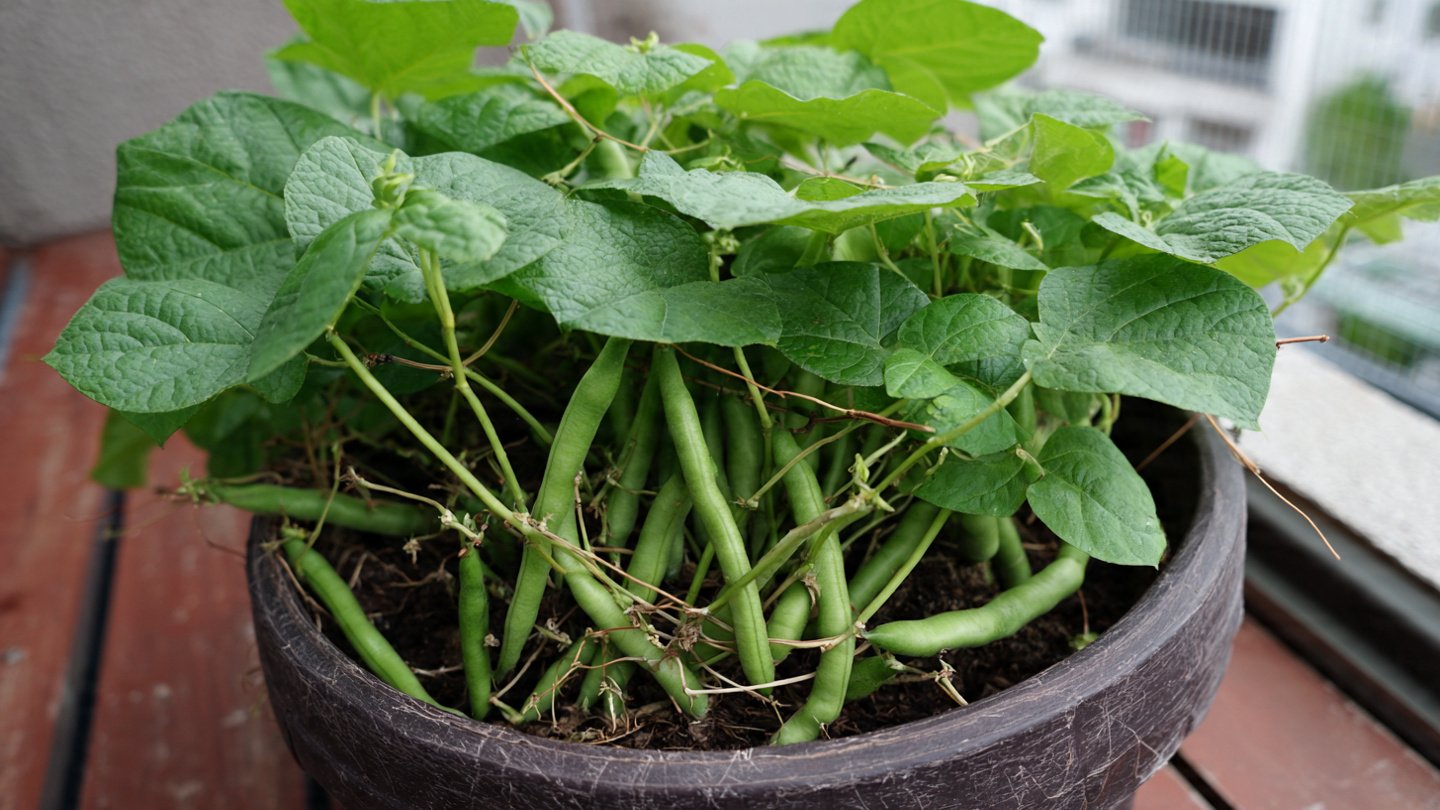
Yard long beans, also known as asparagus beans, snake beans, or Chinese long beans, are a fascinating and delicious legume variety prized for their impressive length and tender texture. Growing these beans can be highly rewarding, especially when you utilize container gardening techniques. This method is ideal for gardeners with limited space, such as apartment dwellers or urban gardeners. This complete guide will walk you through every step needed to grow yard long beans successfully in containers, from choosing the right container to harvesting the beans.
Introduction to Yard Long Beans
Yard long beans (Vigna unguiculata subsp. sesquipedalis) are a member of the legume family, closely related to cowpeas. They produce slender pods that can grow up to 18-30 inches long, providing a unique visual appeal and a rich source of nutrients. These beans are a staple in many Asian cuisines and are appreciated for their crisp texture and sweet, mild flavor.
Unlike many other beans, yard long beans thrive in warm climates and have a longer growing season, making them an excellent crop for gardeners in tropical and subtropical regions. However, with container gardening, you can grow them in cooler climates as well, provided they get enough warmth and sunlight.
Why Grow Yard Long Beans in Containers?
Growing yard long beans in containers offers several advantages:
- Space Efficiency: Perfect for small gardens, balconies, or patios.
- Soil Control: You can create optimal soil conditions easily.
- Mobility: Containers can be moved to find the best sunlight or protection from adverse weather.
- Pest Management: Easier to monitor and control pests and diseases.
- Extended Growing Season: Containers can be brought indoors or to sheltered areas if necessary.
What You Will Need
Before planting, gather the following materials:
- Yard long bean seeds
- Large container or grow bag (at least 12-16 inches deep and 12 inches wide)
- High-quality potting soil with organic matter (well-draining)
- Trellis or support stakes (yard long beans are vines and need climbing support)
- Watering can or hose
- Fertilizer (balanced liquid or granular fertilizer)
Step 1: Selecting the Right Container
Yard long beans have an extensive root system, so container size matters a lot for healthy growth. Choose a container with a depth and width of at least 12-16 inches to provide sufficient space for roots to develop. Clay pots, plastic containers, or fabric grow bags work well. Ensure the container has ample drainage holes to prevent waterlogging, which can cause root rot.
Step 2: Preparing the Soil
Yard long beans prefer loose, well-draining, and fertile soil. A quality potting mix enriched with compost or well-rotted organic matter works perfectly. You can mix 2 parts potting soil to 1 part compost to enhance fertility and moisture retention. The soil’s pH should be slightly acidic to neutral, ideally between 6.0 and 7.5.
Before planting, moisten the soil slightly so it’s damp but not soggy. Good soil preparation will ensure that the seedlings have a healthy start.
Step 3: Planting Yard Long Beans
Plant yard long bean seeds directly into the container once the temperature has warmed up, ideally above 60°F (15°C). In cooler climates, consider starting seeds indoors 4-6 weeks before the last frost date and transplanting them outdoors when safe.
- Plant seeds about 1 inch deep.
- Space each seed 3-4 inches apart to allow ample room for root and vine growth.
- If planting multiple seeds in one container, make sure to provide enough space around it or thin seedlings when they sprout to prevent overcrowding.
Step 4: Providing Support
Yard long beans are vigorous climbers that can reach up to 10 feet or more in length. Install a trellis, stakes, or poles immediately after planting to give the vines something to climb on. A vertical trellis saves space and keeps the pods clean and easily accessible during harvest.
Bamboo stakes, tomato cages, or homemade net trellises work well. Secure the plants gently to the support as they grow to guide their direction.
Step 5: Watering and Feeding
Yard long beans need consistent moisture, especially during flowering and pod formation. Water the container regularly to keep the soil evenly moist but not waterlogged. During hot and dry weather, daily watering may be necessary.
Fertilize your plants every 2-3 weeks with a balanced liquid fertilizer or a slow-release granular fertilizer. Yard long beans also benefit from a side dressing of compost or organic mulch to retain moisture and add nutrients.
Step 6: Sunlight and Temperature Requirements
Yard long beans thrive in full sun, requiring at least 6-8 hours of direct sunlight daily. Position your containers in a sunny spot, such as a south-facing balcony or patio.
They prefer warm temperatures between 70°F to 85°F (21°C to 29°C) and will not tolerate frost. If you live in a cooler climate, consider using row covers or bringing containers indoors during chilly nights.
Step 7: Managing Pests and Diseases
Yard long beans are relatively pest resistant but can occasionally face problems, such as aphids, spider mites, and bean beetles. Regularly inspect your plants, and if pests are detected, use insecticidal soap or neem oil sprays.
To prevent fungal diseases like powdery mildew, avoid overhead watering and ensure good air circulation by spacing plants adequately.
Step 8: Harvesting Yard Long Beans
Yard long beans are ready to harvest about 60-70 days after planting when the pods are 12-18 inches long but still tender and crisp. Pick them regularly to encourage continuous production. Pods that grow too long can become tough and fibrous.
Use scissors or garden shears to snip pods rather than pulling them to avoid damaging the vine.
Step 9: Post-Harvest Care and Seed Saving
After harvesting, continue to care for your plants as long as they produce new pods. When the growing season ends, cut back the plants and compost the remnants.
If you’d like to save seeds, allow some pods to dry on the vine until they turn brown and brittle. Collect the seeds, dry them thoroughly, and store them in a cool, dry place for next season.
Troubleshooting Common Issues
- Poor Germination: May be caused by planting seeds in cold soil or too deep. Ensure warm soil and plant seeds no more than 1 inch deep.
- Yellowing Leaves: Could indicate overwatering or lack of nutrients.
- Lack of Flowers or Pods: May result from insufficient sunlight or excessive nitrogen fertilizer.
- Stunted Growth: Check for root-bound plants in containers or pest damage.
Tips for Success
- Rotate containers yearly or refresh soil to prevent disease buildup.
- Mulch around the base of the plants to conserve moisture.
- Avoid overcrowding to improve air circulation and reduce disease risk.
- Use trellises that can support the weight of vines laden with pods.
- Regular harvests encourage more pods and prevent plants from going to seed too quickly.
Conclusion
Growing yard long beans in containers is a practical and enjoyable way to bring fresh, nutritious beans to your table, especially if garden space is limited. By selecting the right container, preparing fertile soil, offering adequate support, watering wisely, and providing ample sunlight, you can cultivate a thriving crop. Regular monitoring and timely harvesting ensure a bountiful yield of these impressive long pods.
Container gardening unlocks the potential of growing yard long beans almost anywhere—from balconies to terraces—making it accessible for gardeners of all levels. With patience and care, you’ll soon enjoy fresh yard long beans straight from your home garden, adding a delightful vegetable to your culinary repertoire.
Happy gardening!