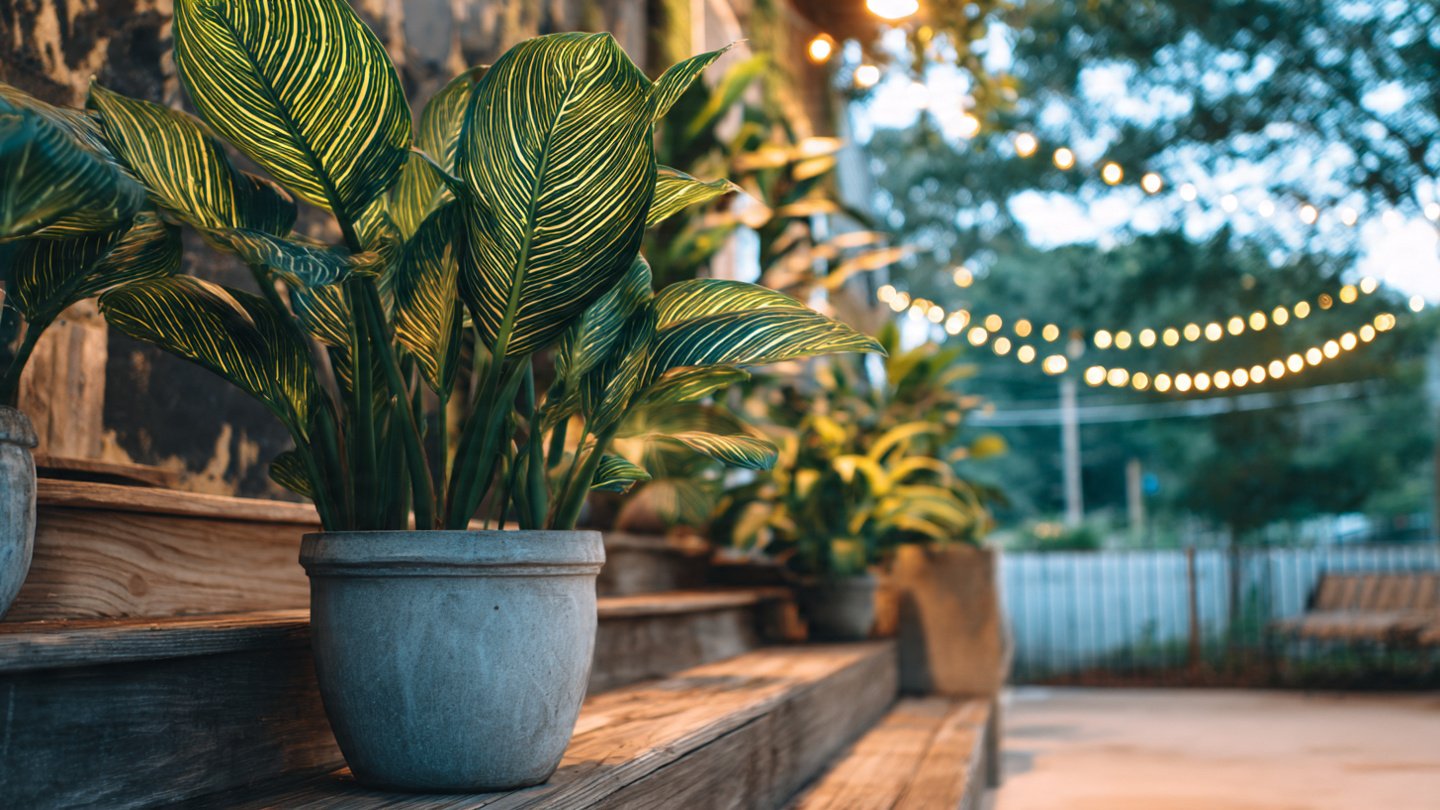
The Ti plant, known scientifically as Cordyline fruticosa, is a tropical plant renowned for its vibrant foliage and versatility in landscape design. Originating from Southeast Asia and the Pacific Islands, the Ti plant is favored for its ornamental qualities and the cultural significance it holds in various Polynesian societies. Growing Ti plants outdoors is not only feasible but can also lead to stunning displays in your garden if you follow the right practices. This guide delves into the best methods for effectively growing Ti plants outdoors, ensuring you achieve thriving results.
Understanding the Ti Plant
Characteristics
Ti plants are characterized by their sword-like leaves, which can range in color from bright green to striking purple or red. Depending on the variety, their leaves can be solid or variegated, adding depth and interest to any garden space. They can reach a height of 3 to 10 feet, depending on the environmental conditions and care provided.
Cultural Significance
In many cultures, particularly among Pacific Islanders, the Ti plant holds spiritual significance. It is often associated with good fortune, protection, and healing. This cultural context can add an extra layer of appreciation when cultivating this beautiful plant.
Choosing the Right Variety
Different varieties of Ti plants impose unique requirements and can create distinct aesthetics in your garden. Among the popular types are:
- Green Ti (Cordyline fruticosa ‘Green’): Known for its lush green leaves.
- Red Ti (Cordyline fruticosa ‘Red’): Features striking red leaves, creating a dramatic effect.
- Variegated Ti (Cordyline fruticosa ‘Candy Cane’): Displays creamy white and green stripes.
Choose a variety that resonates with your garden design and climate conditions.
Ideal Growing Conditions
Climate
Ti plants thrive in warm, humid climates. They are best suited for USDA hardiness zones 9-12. If you live in a region with cooler temperatures, consider growing them in pots that can be moved indoors during colder months.
Sunlight
Ti plants prefer partial to full sunlight. Ideally, they need about 4-6 hours of direct sunlight each day. Too much direct sunlight can scorch the leaves, while too little can inhibit growth. Select a location that offers dappled sunlight or morning sun with afternoon shade.
Soil
Well-draining soil is crucial for the healthy growth of Ti plants. They favor loamy soil enriched with organic matter, which retains moisture but allows excess water to drain. A pH range of 6.0 to 6.5 is ideal.
Planting Your Ti Plant
Preparing the Site
-
Select the Location: Choose a spot with adequate sunlight and wind protection.
-
Soil Preparation: Test the soil’s pH levels and amend it as necessary. Incorporate compost or well-rotted manure to improve fertility and drainage.
-
Digging the Hole: The hole should be about twice the diameter and equal in depth to the root ball of your Ti plant.
Planting Steps
-
Remove your Ti plant from its container gently, ensuring not to damage the roots.
-
Place the plant in the center of the hole, ensuring the top of the root ball is level with the surrounding soil.
-
Backfill the hole with soil, tamping it down gently to eliminate air pockets.
-
Water the plant thoroughly to help settle the soil around the roots.
Care and Maintenance
Watering
Ti plants require consistent moisture but do not tolerate soggy conditions. Water them deeply to encourage deep root growth, allowing the top couple of inches of soil to dry out between waterings. During dry spells, increase frequency but ensure good drainage.
Fertilization
To promote healthy growth, apply a balanced, slow-release fertilizer every 6-8 weeks during the growing season (spring through summer). Look for a fertilizer high in potassium, which helps enhance leaf color and vigor.
Pruning
Occasional pruning helps maintain your Ti plant’s shape and encourages bushy growth. Remove any dead or damaged leaves at the base to promote new growth. In cooler climates, you can prune back during the fall to prepare for winter.
Pest and Disease Management
Ti plants are relatively pest-resistant but can suffer from issues like mealybugs or spider mites. Monitor your plants regularly, and treat infestations promptly using insecticidal soap or neem oil. Additionally, ensure proper spacing and airflow to prevent fungal diseases.
Propagation Methods
Starting new Ti plants is relatively simple and can be done through cuttings or offsets.
1. Propagation by Cuttings
- Select a Healthy Stem: Choose a stem that is at least 6 inches long with several leaves.
- Cut the Stem: Use sterile pruning shears to make a clean cut.
- Rooting Hormone: Dip the cut end into rooting hormone to encourage root development.
- Planting: Place the cutting in a pot filled with a well-draining soil mix and water adequately.
- Environment: Cover with a plastic bag or cloche to maintain humidity until roots develop.
2. Propagation by Offsets
Some Ti plants naturally produce offsets or “pups.” You can carefully separate these from the parent plant and transplant them into their containers.
Seasonal Care
Winter Care
If you live in a cooler climate:
- Containerized Plants: Bring pots indoors during freezing temperatures.
- Mulching: Add mulch around the base of the plant to protect roots.
- Monitoring: Keep an eye out for any signs of environmental stress, such as leaf browning.
Summer Care
During hot summer months, ensure adequate watering and consider providing some shade during the hottest part of the day.
Troubleshooting Common Issues
Leaf Browning
This may result from too much direct sunlight or insufficient watering. Adjust the location or watering schedule as needed.
Stunted Growth
If your Ti plant appears to be growing slowly, it might be time to check soil quality and nutrient levels. Fertilize as needed.
Yellowing Leaves
Yellowing can indicate overwatering or nutrient deficiencies. Examine the soil drainage and consider adding organic fertilizers.
Using Ti Plants in Landscaping
Ti plants add color and texture to various landscaping designs. Here are a few ways you can incorporate them into your outdoor space:
- Focal Points: Use taller varieties as focal points in borders or gardens.
- Accents: Position smaller varieties in mixed planters or hanging arrangements.
- Tropical Garden: Combine Ti plants with other tropical foliage like banana plants and hibiscus for a lush, exotic look.
Conclusion
Growing Ti plants outdoors can bring substantial aesthetic value and cultural richness to your garden. By understanding their specific needs regarding sunlight, soil, and water, you can create an environment where they thrive. Whether you choose to propagate them or incorporate them into your landscape design, careful attention to detail ensures vibrant results. The effort put into nurturing these beautiful plants pays off in stunning visual rewards, creating a tropical oasis right in your backyard.
With the right care, your Ti plants can flourish, becoming a striking feature that enhances your outdoor space while providing a connection to the rich cultural heritage of the regions from which they originate. Happy gardening!