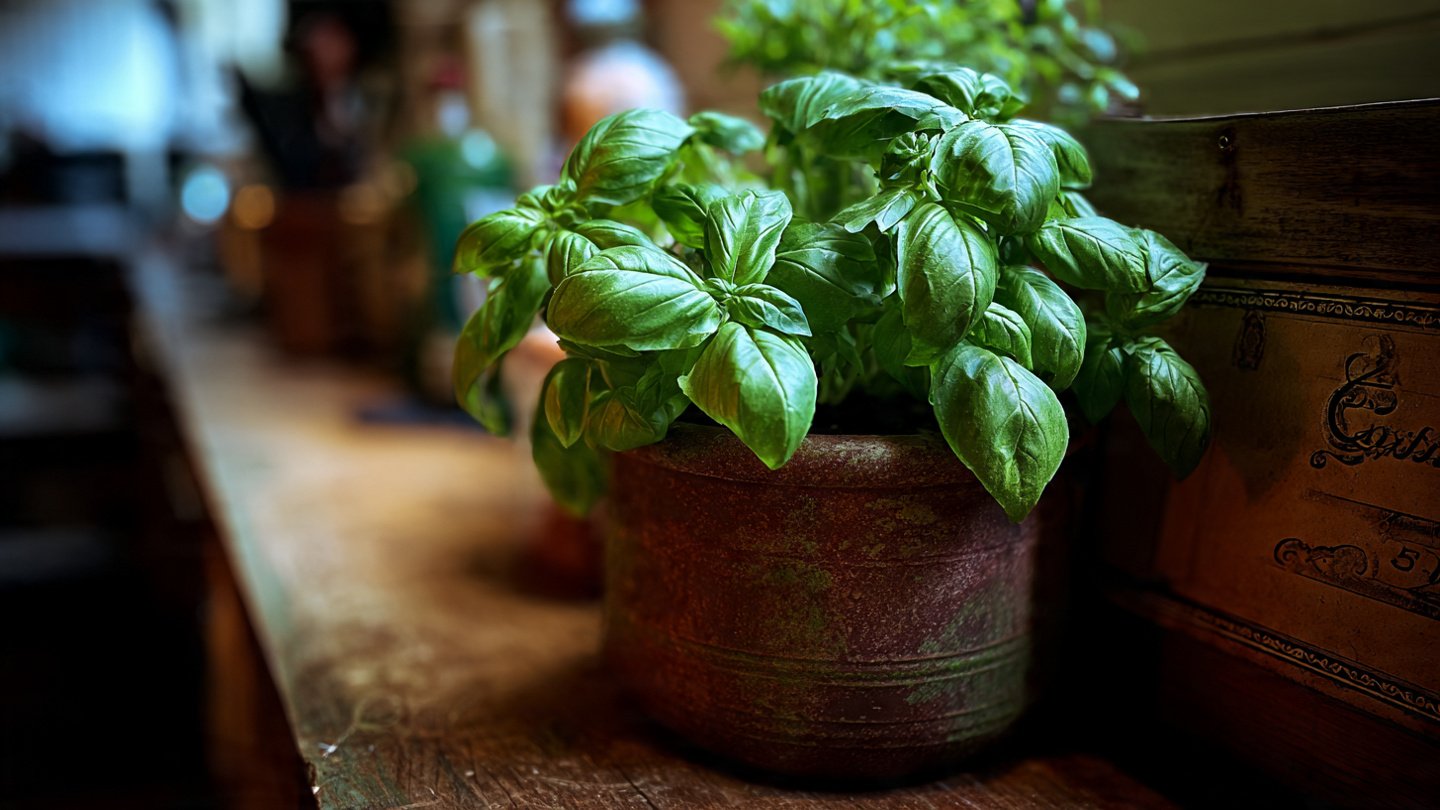
Sweet basil, with its aromatic leaves and vibrant green color, is not just a culinary staple; it’s also one of the most beloved herbs among home gardeners. Growing basil in pots offers numerous advantages, especially for those with limited space or who live in urban environments. This article will guide you through the ideal methods for growing sweet basil in a pot, from choosing the right varieties to harvesting and caring for your plants.
Understanding Sweet Basil
Sweet basil (Ocimum basilicum) is a tender herb native to tropical regions of Central Africa and Southeast Asia. It thrives in warm summer conditions and requires well-drained soil and plenty of sunlight. It’s commonly used in Mediterranean and Italian cuisines, most famously in pesto, sauces, and salads. The flavorful leaves can also be used fresh or dried, making it a versatile addition to your culinary endeavors.
Choosing the Right Pot
The first step in successful basil cultivation is selecting the right pot. Here are key factors to consider:
-
Size: Choose a pot that is at least 6 to 8 inches deep and wide. A pot of this size allows for enough room for roots to grow and prevents frequent watering.
-
Material: Terra cotta, ceramic, or plastic pots are excellent choices. Terra cotta is breathable but can dry out quickly, while plastic pots retain moisture better.
-
Drainage: Ensure your pot has drainage holes to prevent water from accumulating at the bottom, which can lead to root rot.
Choosing the Right Soil
Basil flourishes in nutrient-rich, well-draining soil. Here are some optimal soil choices:
-
Potting Mix: Use a high-quality potting mix specifically designed for potted plants. Look for mixes that contain peat or coco coir for moisture retention and perlite or vermiculite for drainage.
-
Compost: Mix in some compost to enrich the soil with essential nutrients. This helps promote healthy growth and enhances the flavor of the leaves.
-
pH Levels: Basil prefers a slightly acidic to neutral pH (6.0 to 7.0). If you’re unsure about your soil’s pH, test it with a home kit.
Selecting the Right Variety of Basil
While sweet basil is the most common type, other varieties can add different flavors and looks to your garden. Some favorites for pot cultivation include:
-
Genovese Basil: This is the classic Italian basil, prized for its sweet and aromatic leaves.
-
Thai Basil: A spicier variant with purple stems and a distinctive flavor, excellent for Asian dishes.
-
Lemon Basil: Infused with a lemony aroma, it’s fantastic for teas and desserts.
Planting Your Sweet Basil
Once you have your pot, soil, and seeds or seedlings, it’s time to plant. Here’s a step-by-step guide:
-
Sow Seeds or Plant Seedlings:
- Seeds: If starting from seeds, plant them about ¼ inch deep in the soil. Water lightly after planting to settle the seeds.
- Seedlings: If you prefer starting with seedlings, gently remove them from their container, being careful not to damage the roots. Place them in the pot with enough soil around them to support their growth.
-
Spacing: If you’re planting multiple basil plants in one pot, space them about 6 to 12 inches apart. This allows adequate air circulation and reduces the risk of disease.
-
Watering: After planting, water the soil thoroughly but avoid waterlogging. Basil prefers moist soil, so check it regularly and water when the top inch feels dry.
Providing the Right Environment
Sweet basil thrives in specific conditions, and ensuring these will lead to better growth and flavor.
-
Sunlight: Basil loves sunlight. Ideally, position your pot in a spot where it receives at least 6 to 8 hours of sunlight each day. If you lack natural sunlight, consider using grow lights.
-
Temperature: Basil prefers warm weather and grows best in temperatures between 70°F and 85°F (21°C to 29°C). It’s sensitive to frost, so if you’re planting outdoors, wait until after the last frost date in your area.
-
Humidity: This herb differs from many others in that it appreciates humidity. If you’re in a dry climate, misting the leaves occasionally can help maintain the right moisture level.
Fertilizing
To keep your basil healthy, regular fertilization is necessary:
-
Balanced Fertilizer: Use a balanced liquid fertilizer every 4-6 weeks during the growing season. A diluted fish emulsion or seaweed fertilizer can also work well.
-
Over-Fertilization: Avoid over-fertilizing, as this can lead to lush foliage with less flavor. Signs of over-fertilization include yellowing leaves or stunted growth.
Watering Techniques
Proper watering is crucial for basil growth:
-
Consistency: Keep the soil consistently moist, but not waterlogged. It’s better to underwater than overwater, as basil roots can rot easily.
-
Mulching: Adding a layer of organic mulch on the soil surface can help retain moisture and regulate soil temperature.
Pruning and Harvesting
Regular pruning not only encourages bushier growth but also prevents the plant from flowering too early, which can affect flavor.
-
Pinching Off Tips: As your basil grows, regularly pinch off the tips of the stems. This encourages branching and helps the plant become bushy rather than tall and spindly.
-
Harvesting Leaves: You can start harvesting leaves when the plant is about 6 inches tall. It’s best to take leaves in the morning after the dew has dried. Always remove the top leaves first, which stimulates further growth.
-
Avoiding Flowering: If you notice flowers forming, pinch them off immediately. Flowering can lead to bitter-tasting leaves.
Common Pests and Diseases
Basil is relatively low-maintenance but is susceptible to a few pests and diseases. Here’s how to handle them:
-
Aphids and Whiteflies: These pests can be controlled with insecticidal soap or neem oil. Regularly inspect your plants and act swiftly if you notice any infestations.
-
Fungal Issues: Powdery mildew can occur in humid conditions. Ensure good air circulation around the plants and water at the base to minimize humidity on the leaves.
-
Root Rot: Overwatering is the most common cause of root rot. Ensure your pot has proper drainage and only water when necessary.
Seasonal Considerations
Basil is typically grown as an annual, which means it completes its life cycle in one year. Here are some seasonal considerations for pot basil gardening:
-
Spring Planting: Start growing basil indoors 6-8 weeks before the last frost, and transplant it outdoors when temperatures are warm enough.
-
Summer Care: As temperatures rise, monitor water levels closely. You may need to water more often.
-
Fall and Winter: As temperatures begin to drop, consider bringing your potted basil indoors. A sunny windowsill can be an ideal spot for continued growth during the colder months.
Conclusion
With the right care and attention, growing sweet basil in pots can be a rewarding endeavor. This versatile herb is not only easy to cultivate but also enhances your culinary creations with its fragrant and flavorful leaves. By choosing the right pot, soil, and environment, you can enjoy a bountiful basil harvest all season long. Whether you’re an experienced gardener or a beginner, the process of nurturing basil can be a fulfilling and enjoyable experience.
So gather your pots, seeds, and tools, and start your own pot-grown sweet basil garden today! Happy gardening!