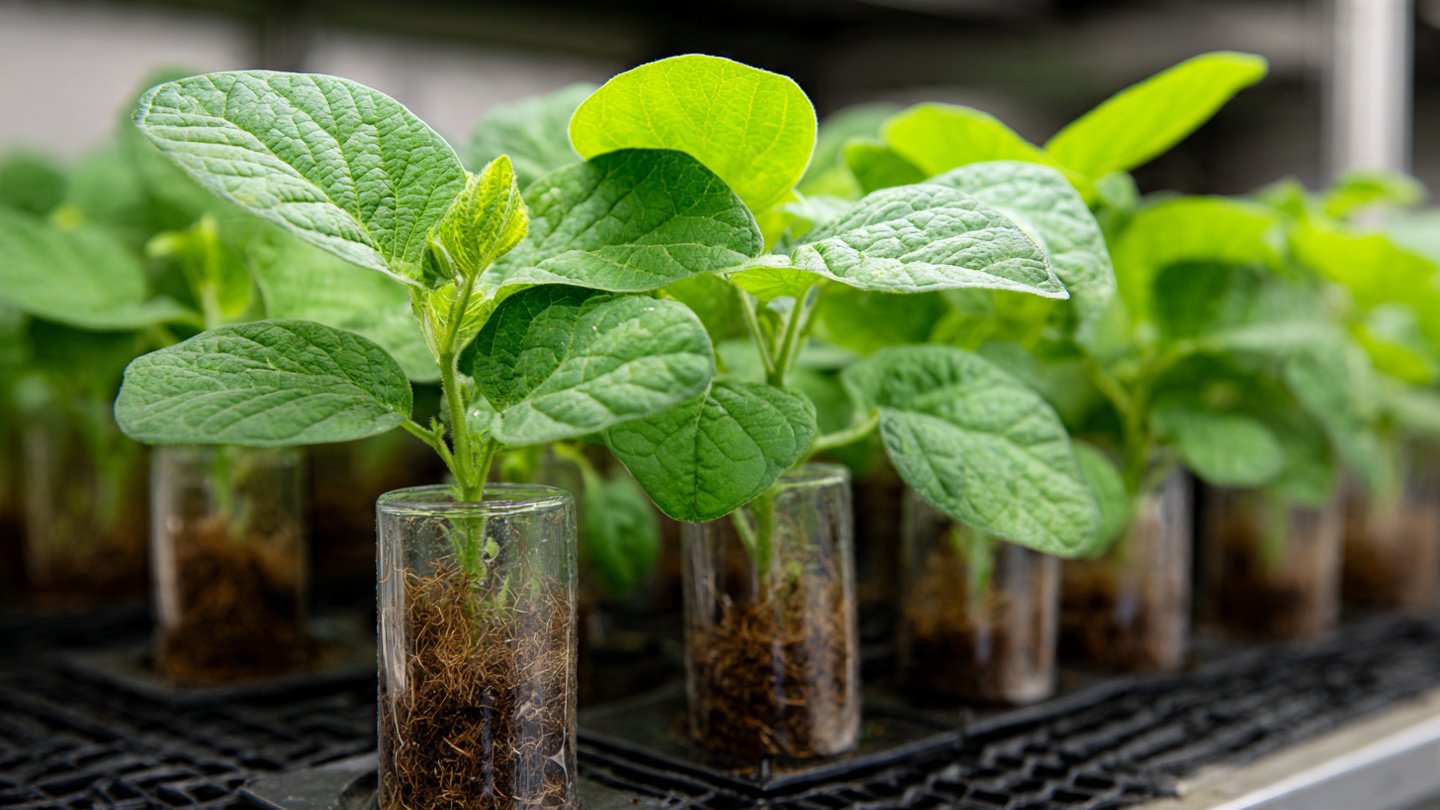
Certainly! Here’s a detailed 1500-word article on caring for soybean plants in containers:
Growing soybean plants in containers is an excellent way to enjoy fresh, homegrown soybeans even if you lack traditional garden space. Container gardening offers flexibility and control over growing conditions, opening the door for urban gardeners, apartment dwellers, or anyone with limited outdoor space to cultivate this nutritious legume. However, soybeans have specific needs that must be met for healthy, productive growth. This comprehensive guide offers essential tips on how to care for soybean plants in containers and ensure a thriving harvest.
Why Grow Soybeans in Containers?
Soybeans (Glycine max) are not only a versatile crop known for their protein-rich beans but are also relatively easy to grow in containers with the right care. Container gardening allows you to control soil quality, manage water supply, and protect plants from pests and diseases. Furthermore, soybean plants have a relatively compact size, making them suitable for containers that can be placed on patios, balconies, or other small outdoor areas.
Choosing the Right Container for Soybeans
Successful container gardening begins with choosing the appropriate container:
- Size: Soybean plants need enough root space to grow and develop. Use containers that are at least 12-16 inches deep and wide. A container with a capacity of 5 gallons or more is ideal for a few plants.
- Material: Containers can be made of plastic, ceramic, clay, or fabric. Plastic containers retain moisture longer, which can be beneficial. Clay pots are porous and encourage better aeration but require more frequent watering.
- Drainage: Proper drainage is crucial. Ensure your container has drainage holes to prevent waterlogging, which can cause root rot.
Selecting the Right Soybean Variety
Some soybean varieties are better suited for container growth than others. Look for varieties labeled as “bush” types, which tend to stay more compact and manageable than their “vine” counterparts. Examples include:
- Bush Blue Lake
- Envy
- Hystyle
These varieties generally mature faster and are more suitable for limited space.
Preparing the Soil and Planting
Soybeans thrive in well-draining, fertile soil with a slightly acidic to neutral pH (around 6.0-7.0). Use a high-quality potting mix supplemented with organic compost or well-rotted manure.
- Soil Mixture: Mix one part potting soil, one part organic compost, and one part perlite or sand to enhance drainage.
- Inoculation: Soybeans are legumes and have a symbiotic relationship with nitrogen-fixing bacteria. Purchase soybean inoculant and mix it with your soil or coat the seeds before planting to promote nodule formation on roots, which helps the plant fix atmospheric nitrogen.
- Planting: Sow soybean seeds about 1-2 inches deep and space them 3-4 inches apart if planting multiple seeds in one container. Thin seedlings later to avoid overcrowding.
Providing Optimal Growing Conditions
Light
Soybean plants need full sun to thrive—at least 6-8 hours of direct sunlight daily. Place containers in a sunny spot such as a south-facing balcony, patio, or greenhouse.
Temperature
Soybeans prefer warm conditions. The optimal temperature range for germination is 70-95°F (21-35°C). Growth slows significantly below 60°F (16°C) and above 95°F (35°C). Protect containers from cold drafts or intense heat spikes.
Watering
Consistent moisture is critical. Soybeans like evenly moist soil but not soggy. Water deeply when the top inch of soil feels dry. Overwatering or poor drainage can lead to root diseases, while underwatering results in stress and reduced yields.
- Use containers with good drainage.
- Water in the morning to reduce fungal risk.
- Mulch the soil surface with straw or organic mulch to retain moisture.
Fertilizing Your Soybean Plants
While soybeans fix their own nitrogen, they still benefit from balanced nutrients, especially phosphorus and potassium.
- Initial fertilization: Mix a balanced, slow-release fertilizer into the potting soil at planting.
- Top dressing: Apply diluted liquid fertilizer every 3-4 weeks during the growing season.
- Avoid excess nitrogen as it can reduce pod formation and encourage leaf growth instead.
Supporting Soybean Plants
Some soybean varieties, especially taller types, may require support:
- Use stakes, cages, or trellises for vining varieties.
- Bush types generally do not need support if spaced properly.
Managing Pests and Diseases
Soybeans in containers are less prone to diseases and pests than those in the ground, but vigilance is necessary.
Common Pests
- Aphids: Small, soft-bodied insects that suck sap and cause leaf curl. Use insecticidal soap or a strong water spray to control.
- Bean beetles: Larvae and adults feed on leaves. Handpick beetles or use neem oil.
- Spider mites: Tiny, spider-like pests that cause stippling on leaves. Maintain humidity and spray with water.
Common Diseases
- Root rot: Caused by waterlogged soil. Ensure proper drainage.
- Powdery mildew: White fungal growth on leaves. Improve air circulation and use fungicidal sprays if necessary.
Pruning and Plant Maintenance
- Remove yellowing or dead leaves promptly to prevent disease.
- Thin plants if needed to maintain good airflow and reduce competition.
- Pinch off the growing tips to encourage bushier growth if plants become leggy.
Harvesting Soybeans
Soybeans are usually ready to harvest 70-100 days after planting, depending on the variety.
- Pods turn plump and green or yellow.
- Harvest when about 80% of pods have filled but before pods dry out completely to enjoy fresh soybeans or “edamame.”
- For dry soybeans, allow pods to turn brown and dry fully on the plant before harvesting.
Post-Harvest Tips
- Shell fresh soybeans by squeezing pods.
- Boil fresh edamame pods in salted water for 5-7 minutes before eating.
- Store dried soybeans in airtight containers in a cool, dry place.
Troubleshooting Common Problems
- Poor germination: Use fresh seeds, proper soil temperature, and inoculate seeds.
- Wilting plants: Check watering, soil drainage, and look for root damage.
- Yellow leaves: Could indicate nutrient deficiency or overwatering.
- Low yield: Ensure adequate sunlight, proper spacing, and balanced fertilization.
Conclusion
Growing soybeans in containers can be a rewarding experience, providing fresh, nutritious beans straight from your patio or balcony. By choosing the right container, providing suitable soil and nutrients, maintaining ideal watering and light conditions, and vigilantly managing pests and diseases, your soybean plants will thrive and produce a bountiful harvest. Whether you are an urban gardener or simply curious about growing this versatile legume, container soybeans offer an accessible and enjoyable gardening project.
If you would like me to include specific details like step-by-step instructions, recommended brands of inoculants or fertilizers, or recipes for harvested soybeans, just let me know!