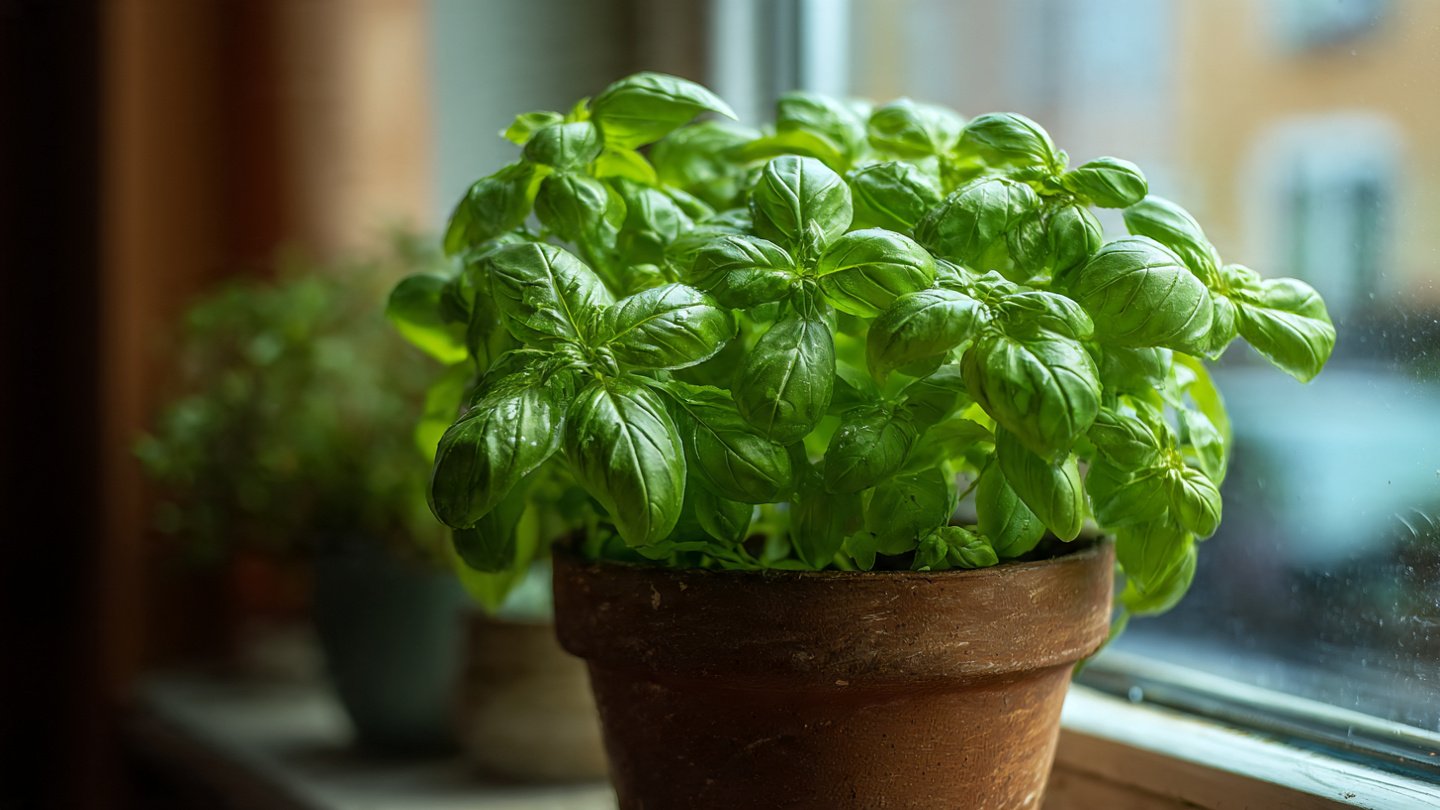
Genovese basil, known for its aromatic leaves and essential role in Mediterranean cuisine, is a favorite among home gardeners. The ability to grow this herb indoors year-round can be particularly enticing for those who love cooking with fresh ingredients. But can you really cultivate Genovese basil indoors throughout the year? This article will explore the feasibility, methods, challenges, and tips for successfully growing this beloved herb inside your home.
The Benefits of Growing Genovese Basil Indoors
Growing Genovese basil indoors not only gives you access to fresh herbs at your fingertips, but it also provides several advantages:
-
Convenience: Having fresh basil available year-round means you can enhance your dishes whenever you desire, without needing to visit the grocery store.
-
Pest Control: By growing basil indoors, you can minimize pest infestations that are commonly found in outdoor gardens. This helps to ensure that your basil remains healthy and free from harmful chemicals.
-
Aesthetic Appeal: Indoor plants can enhance your living space, bringing greenery and vibrant color to your home.
-
Extended Growing Season: Indoor gardening allows you to bypass seasonal constraints, enabling you to grow herbs regardless of environmental conditions outside.
-
Air Quality: Indoor plants can contribute to better air quality by reducing indoor pollutants, enhancing overall well-being.
Conditions for Growing Genovese Basil Indoors
To successfully cultivate Genovese basil indoors, certain conditions must be met to create an environment conducive to its growth.
Light Requirements
Basil thrives in bright, direct sunlight. Ideally, it requires 6-8 hours of sunlight per day. When growing indoors, consider the following light sources:
-
Natural Light: Place your basil near a south-facing window where it can absorb ample sunlight. However, make sure to rotate the pots regularly to ensure even growth.
-
Grow Lights: If natural light is insufficient, you can supplement it with LED or fluorescent grow lights. Position the lights about 2-4 inches above the plants and ensure they are on for 12-16 hours a day.
Temperature and Humidity
Basil prefers warm conditions. The ideal temperature range for growing Genovese basil indoors is between 70°F and 80°F (21°C to 27°C). It’s essential to maintain this temperature consistently.
Humidity levels also play a critical role in the plant’s health. Basil thrives in moderate to high humidity levels (40%-60%). If your indoor environment is dry, consider the following methods to increase humidity:
- Misting: Lightly mist the leaves with water daily.
- Humidity Tray: Place a tray filled with water and pebbles under your pots. As the water evaporates, it will increase humidity around the plants.
Soil Requirements
The right type of soil is crucial for healthy basil growth. Use a well-draining potting mix that retains moisture but does not become waterlogged. A mix designed specifically for herbs or a combination of potting soil, perlite, and compost can work well. Ensure that your pots have drainage holes to prevent root rot.
Watering
Basil likes to be kept consistently moist but not saturated. Water the plants when the top inch of soil feels dry to the touch. It’s essential to monitor the moisture levels regularly, as overwatering can lead to root rot, while underwatering can stunt growth.
Growing Genovese Basil from Seeds or Cuttings
Starting from Seeds
Growing Genovese basil from seeds can be a rewarding endeavor. Here’s a step-by-step guide:
-
Seed Selection: Choose high-quality Genovese basil seeds from a reputable source.
-
Sowing: Fill seed trays or small pots with your potting mix. Moisten the soil before sowing seeds, and plant them about ¼ inch deep.
-
Germination: Cover the trays or pots with plastic wrap or a clear domed lid to maintain humidity. Place them under a grow light or in a sunny spot. Seeds should sprout within 5 to 14 days.
-
Thinning: Once seedlings reach 2-3 inches tall, thin them to avoid overcrowding, leaving the strongest plants.
Starting from Cuttings
If you already have basil plants, you can grow new ones from cuttings:
-
Select a Stem: Choose a healthy stem and cut it just below a node (where leaves join the stem).
-
Rooting: Place the cutting in a glass of water, ensuring that the node is submerged. Change the water every few days. After about 1-2 weeks, roots should start to develop.
-
Transplanting: Once roots are at least 2 inches long, transplant the cutting into soil.
Maintaining Your Indoor Basil
Pruning
Regular pruning encourages bushier growth and prevents flowering, which can cause the leaves to become bitter. Pinch off the top leaves regularly, and remove any flowers that may develop. This will redirect the plant’s energy toward leaf production.
Fertilizing
Basil benefits from regular feeding, especially during the growing season. Use a balanced, water-soluble fertilizer every 4-6 weeks. Be careful not to over-fertilize, as this can lead to lush foliage but diminished flavor.
Pest Control
While indoor plants may face fewer pests, issues can still arise. Monitor your basil for:
- Aphids: These tiny insects can be controlled by wiping leaves with a damp cloth or using insecticidal soap.
- Spider Mites: If you notice webbing, increase humidity levels and spray the plant with water to dislodge these pests.
Harvesting
Begin harvesting your basil once the leaves are large enough to use—typically when the plant has reached at least 6-8 inches in height. Use clean scissors to cut leaves, and avoid removing more than one-third of the plant at a time to ensure continued growth.
Common Challenges and Solutions
Despite your best efforts, you may encounter challenges when growing Genovese basil indoors. Here are some common issues and how to address them:
-
Legginess: If your basil plants are tall and spindly, they may not be receiving enough light. Move them closer to a light source or increase the duration of artificial lighting.
-
Leaf Yellowing: This can be a sign of overwatering or nutrient deficiency. Check soil moisture levels and adjust your watering schedule. Also, consider fertilizing if you’ve not done so recently.
-
Slow Growth: Various factors can contribute to slow growth, including inadequate lighting, temperature fluctuations, and poor soil quality. Address these factors, and consider re-potting into fresh soil.
-
Bitter Leaves: If your basil begins to taste bitter, it may have flowered. Regularly prune the tops to prevent flowering.
Conclusion
Growing Genovese basil indoors year-round is not only possible but can also be incredibly rewarding. By offering the right conditions, monitoring for pests, and providing regular care, you can enjoy fresh basil in your meals at any time of the year.
The joy of snipping a few leaves to enhance a dish is unmatched, making indoor herb gardening a valuable skill. So, roll up your sleeves, and get started on your indoor basil journey—you’ll be reaping the benefits in no time!