Introduction
Tropical Aralia, also known as Polyscias, is a stunning plant that can elevate any garden with its lush foliage and unique aesthetic. With its origins in tropical and subtropical regions, this versatile plant thrives in a variety of conditions, making it an excellent choice for gardeners looking to add an exotic touch to their landscapes. In this article, we will explore the essential tips for successfully growing Tropical Aralia. Whether you’re a seasoned gardener or a beginner, this guide will provide you with the tools and knowledge to cultivate this beautiful plant.
Understanding Tropical Aralia
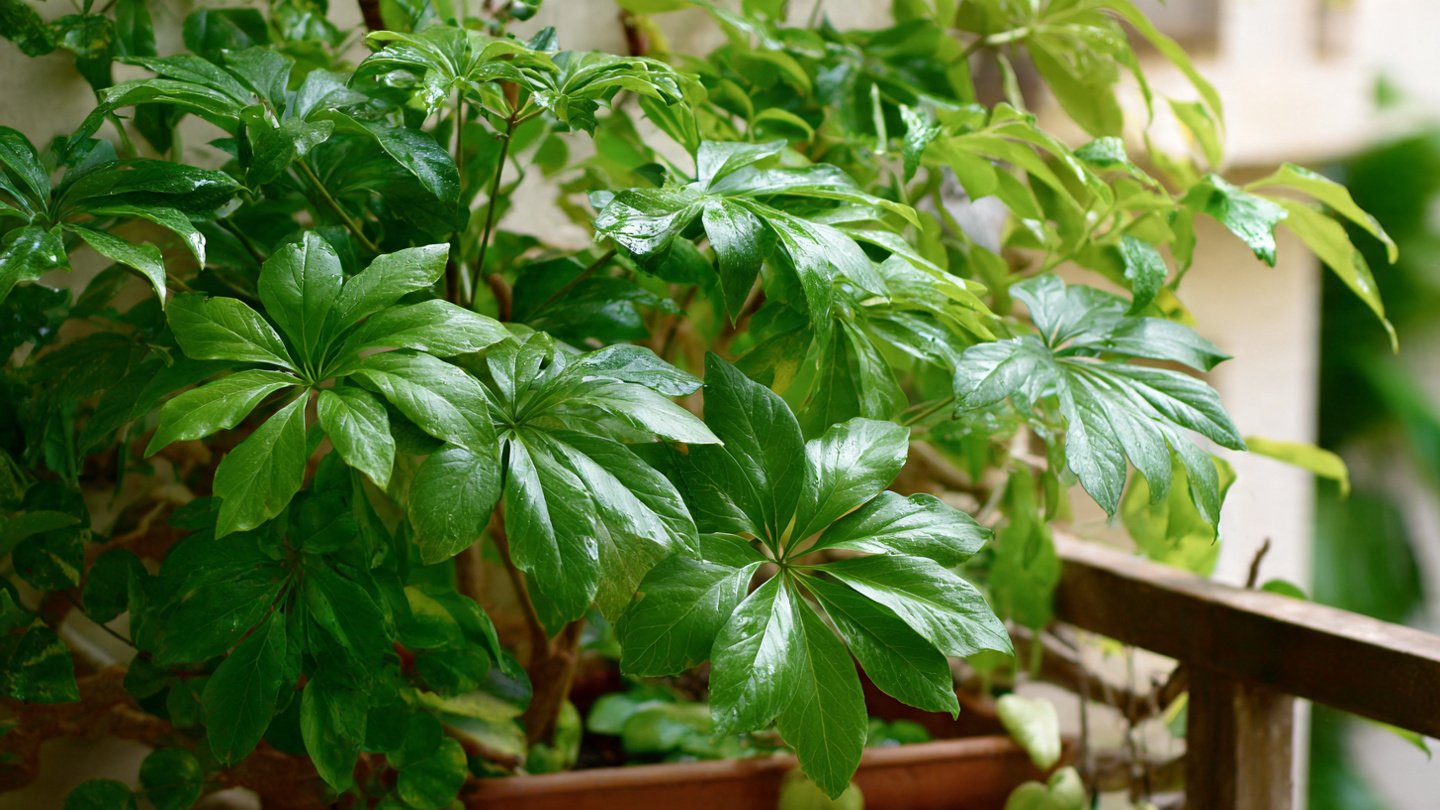
Before diving into the cultivation process, it’s vital to understand the characteristics of Tropical Aralia. This plant comes in various species, with the most popular being Polyscias fruticosa and Polyscias oahuensis. The leaves of the Tropical Aralia are glossy, often divided, and can range in color from deep green to variegated shades.
Ideal Growing Conditions
Tropical Aralia is best suited for environments that mimic its native habitat. Here are crucial aspects of its ideal growing conditions:
-
Light Requirements: While Tropical Aralia can tolerate low light, it thrives in bright, indirect sunlight. Direct sunlight can scorch the leaves, so filter strong rays using sheer curtains if grown indoors.
-
Temperature: This plant prefers temperatures between 60°F to 85°F (15°C to 29°C). It cannot withstand frost, making it a poor choice for outdoor gardens in colder climates unless planted as an annual or brought indoors during winter.
-
Humidity: Humidity is vital for Tropical Aralia. Ideally, keep humidity levels between 40% and 60%. If you live in a dry area, consider using a humidifier or placing the plant on a pebble tray filled with water.
-
Soil: A well-draining potting mix enriched with organic matter is essential. A blend of peat, perlite, and compost provides the nutrients Tropical Aralia needs to flourish.
Step-by-Step Guide to Growing Tropical Aralia
1. Selecting the Right Variety
Choosing the right variety of Tropical Aralia is your first step. Here are a few options that might inspire your selection:
- Polyscias fruticosa: Known for its bushy, dense growth and rounded leaves.
- Polyscias oahuensis: Features a more upright structure with glossy, dark green leaves.
- Polyscias balfouriana: This variety has beautiful variegated leaves, adding interest to your space.
2. Planting Techniques
Indoors:
- Pot Selection: Choose a pot with drainage holes to prevent waterlogging.
- Soil Preparation: Combine potting soil with perlite and some organic compost.
- Planting: Fill the pot, creating a small hole in the center. Remove the plant from its nursery pot and place it in the hole. Fill in around the roots, firming the soil gently.
Outdoors:
- Choosing the Right Spot: Select a shaded area that receives dappled sunlight. Avoid areas that receive intense sunlight for prolonged periods.
- Soil Preparation: Prepare the planting site by tilling the soil and mixing in organic matter.
- Space: Give plants about 2 to 3 feet apart, as Tropical Aralia can grow to be quite bushy.
3. Watering
Watering is critical, but it’s essential to do so judiciously. The general rule is to keep the soil consistently moist but not soggy.
- Indoor Plants: Water when the top inch of the soil feels dry. Ensure excess water can drain away to prevent root rot.
- Outdoor Plants: Water twice a week, allowing the soil to dry slightly between watering sessions. In hotter months, increase frequency.
4. Fertilization
To encourage healthy growth, fertilize your Tropical Aralia every 4-6 weeks during the growing season (spring and summer).
- Type of Fertilizer: Use a balanced, water-soluble fertilizer diluted to half strength. Organic fertilizers, such as fish emulsion, can also be beneficial.
5. Pruning and Maintenance
Regular pruning promotes bushier growth and removes any dead or damaged leaves. Here’s an effective pruning guide:
- Timing: Prune in spring before the growing season.
- Technique: Use sharp, clean pruning shears to cut back leggy stems. Aim for a rounded shape to maintain its bushy fullness.
6. Pest and Disease Management
Tropical Aralia can be susceptible to pests like spider mites, aphids, and mealybugs.
- Integrated Pest Management: Inspect your plant regularly. If you identify pests, remove them manually or wash them off with water.
- Natural Remedies: In cases of serious infestations, consider insecticidal soap or neem oil as natural options.
Tackling Common Problems
Even the most seasoned gardeners may encounter challenges when cultivating Tropical Aralia. Here are some common issues and how to tackle them:
1. Leaf Yellowing
Causes: Overwatering, poor drainage, or nutrient deficiency.
Solution: Check the soil moisture and drainage conditions. Adjust your watering schedule and consider fertilizing if required.
2. Leaf Browning
Causes: Under-watering or excessive direct sunlight.
Solution: Ensure adequate watering and consider relocating your plant to a shadier spot.
3. Stunted Growth
Causes: Root-bound conditions or a lack of nutrients.
Solution: If you notice roots growing out of the drainage holes, move it to a larger pot. Also, ensure regular fertilization during the growing seasons.
Creating a Beautiful Arrangement
To maximize the beauty of your Tropical Aralia, consider integrating it into a larger garden design.
1. Companion Plants
Combine Tropical Aralia with companion plants that share similar light and water needs. Some excellent choices include:
- Ferns: Their delicate fronds can complement the bold leaves of Aralia.
- Calatheas: Known for their patterned leaves, these can add an interesting contrast.
- Bromeliads: The colorful flowers of bromeliads can pop against the backdrop of dark green Aralia foliage.
2. Container Arrangements
If you’re growing Tropical Aralia in pots, consider these tips for eye-catching arrangements:
- Variations in Height: Use pots of different heights to create visual interest.
- Mix Textures: Pair the glossy leaves of Aralia with plants that have different leaf shapes to enhance texture.
Conclusion
Growing Tropical Aralia can be a rewarding endeavor, adding a touch of tropical elegance to your garden or indoor space. By following the straightforward tips outlined in this guide, you can easily nurture these lush plants to thrive in your environment. With the right care—choosing the best variety, providing proper light, water, and nutrients, and addressing any issues promptly—you’ll be well on your way to creating a vibrant and visually stunning landscape filled with the beauty of Tropical Aralia.
Happy gardening!