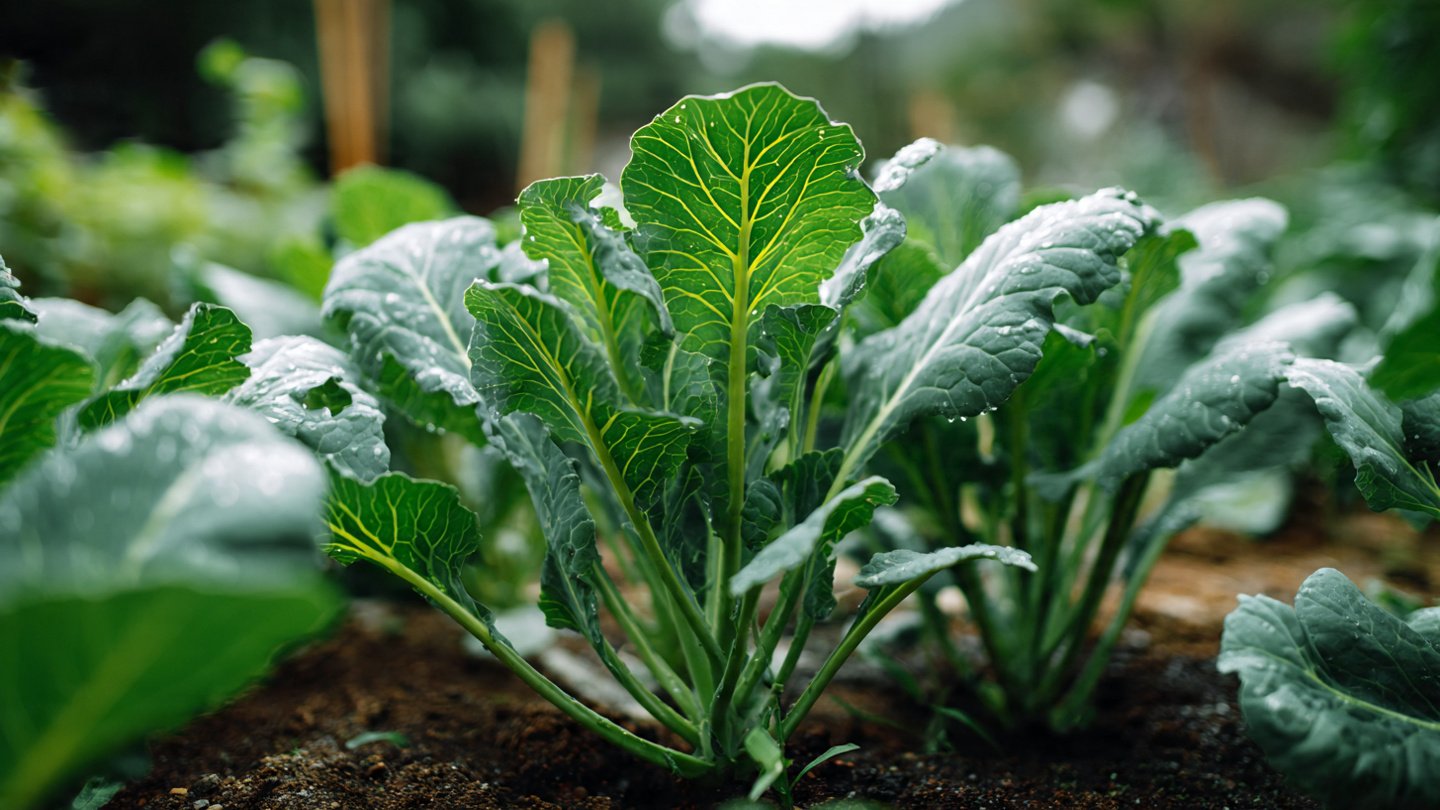
Growing broccoli greens is not only rewarding but also a fantastic way to add nutritious greens to your diet with minimal effort. Broccoli greens are tender, flavorful, and packed with nutrients, offering a delightful twist to the typical broccoli florets. This step-by-step guide will provide you with everything you need to know to grow flourishing broccoli greens quickly.
1. Understanding Broccoli Greens
Before diving into cultivation, it’s essential to understand what broccoli greens are. These leaves come from the broccoli plant and can be harvested before or after the main head is picked. They are rich in vitamins A, C, and K, as well as minerals like calcium and iron. Their slightly peppery taste makes them a wonderful addition to salads, smoothies, and stir-fries.
2. Choosing the Right Variety
Several varieties of broccoli are suitable for growing greens. Choose a variety that is known for its prolific leaf production. Some great options include:
- Calabrese: This variety is known for its large, tender leaves and produces a central head.
- Rapini: Also known as broccoli rabe, this is a fast-growing type that is particularly valued for its leaves.
- Young Sprouts: Certain hybrid varieties are bred specifically for their greens. These are great choices for quick yields.
3. Timing Your Planting
Timing is crucial for fast growth. Generally, broccoli is a cool-weather crop, thriving in temperatures between 60°F and 70°F (15°C to 21°C).
- Spring Planting: Start seeds indoors 6-8 weeks before the last frost date. Transplant seedlings outdoors when they are 4-6 weeks old.
- Fall Planting: Start seeds indoors in late summer for a bountiful fall harvest. The cooler temperatures of autumn enhance the flavor and sweetness of the greens.
4. Selecting the Ideal Location
Choose a location with full sun exposure—at least 6 to 8 hours daily. Good air circulation is also vital to prevent fungal diseases. Ensure the soil is well-draining and rich in organic matter. Raised beds or containers can be beneficial for controlling soil quality.
5. Preparing the Soil
Broccoli thrives in fertile, loamy soil.
- Testing Soil: Before planting, test your soil pH; broccoli prefers a range of 6.0 to 7.0.
- Amending the Soil: Enrich the soil with well-rotted compost or well-balanced fertilizer. Adding organic matter improves soil structure and nutrient content.
6. Planting Seeds
Broccoli can be sown directly into the garden or started in trays.
Direct Sowing
- Spacing: Space seeds about 18 inches apart in rows, with the rows 24 to 36 inches apart.
- Depth: Plant seeds about half an inch deep; lightly cover with soil and water gently to settle.
Starting Indoors
- Containers: Use seed trays filled with seed-starting mix.
- Seeding: Sow seeds 1/4 inch deep and keep the soil moist.
- Transplanting: When seedlings have at least two true leaves, transplant them outdoors, spacing as described above.
7. Watering and Maintenance
Watering
Broccoli greens need consistent moisture. Water deeply but infrequently to encourage deep root growth. Aim for about an inch of water per week, adjusting for rainfall.
Fertilization
Once seedlings are established, feed them with a balanced liquid fertilizer every 4-6 weeks to promote healthy growth. Look for formulas high in nitrogen, which supports leaf production.
Weeding
Keep the growing area weed-free, as weeds compete for nutrients and water. Use mulch to suppress weeds and retain moisture in the soil.
8. Pest Management
Pests such as aphids, cabbage worms, and flea beetles can affect broccoli greens.
- Prevention: Use row covers to protect young plants from pests.
- Natural Predators: Encourage beneficial insects, such as ladybugs, which feed on aphids.
- Natural Remedies: Neem oil or insecticidal soap can help control infestations if necessary.
9. Harvesting Broccoli Greens
Timing
You can begin harvesting broccoli greens once the leaves are large enough to eat—usually around 6-8 weeks after planting.
Method
- Harvesting: Use scissors to cut the outer leaves, allowing the inner leaves to continue growing. This technique promotes bushier growth.
- Regular Harvesting: Regularly harvest the leaves to encourage further growth.
Harvested Leaves
Use fresh, young leaves in salads, smoothies, or cooked dishes. If you’re looking for an intense flavor, you can try boiling or steaming them briefly.
10. Troubleshooting
Even the best gardeners encounter challenges. Here are common issues and their solutions.
Yellowing Leaves
- Cause: This can be due to nutrient deficiency, overwatering, or disease.
- Solution: Check soil drainage; adjust watering and consider fertilizing.
Wilting or Drooping Plants
- Cause: May indicate lack of water or root rot.
- Solution: Ensure you’re watering adequately and that your soil is well-drained.
Slow Growth
- Cause: May be due to poor soil quality or inadequate sunlight.
- Solution: Add compost to improve soil fertility and select a sunlit location.
11. Extending the Growing Season
To enjoy broccoli greens for longer, consider these strategies:
- Succession Planting: Plant seeds every 2-3 weeks to stagger your harvest.
- Indoor Growing: Grow in pots indoors or in a greenhouse for year-round greens.
12. Nutritional Benefits
Broccoli greens are not only versatile but also incredibly nutritious. They are low in calories and high in fiber while offering significant health benefits. Rich in antioxidants, they can help reduce inflammation and improve heart health. Consuming them can support your immune system and promote healthy digestion.
13. Culinary Ideas
Here are some creative ways to use your harvested broccoli greens:
- Salads: Mix tender broccoli greens with other fresh greens, nuts, and a vinaigrette for a nutritious salad.
- Sautéed: Quickly sauté with garlic and olive oil for a delicious side dish.
- Smoothies: Blend into smoothies for added nutrients without overpowering the flavor.
- Stir-fries: Incorporate into stir-fried dishes with protein and other vegetables.
Conclusion
Growing broccoli greens can be an enjoyable and rewarding experience, offering a quick turnaround on nutritious crops. By following this step-by-step guide—choosing the right variety, timing your planting, and maintaining healthy plants—you can cultivate a thriving garden of broccoli greens in no time. Embrace the joys of gardening, enjoy the health benefits, and savor the delicious flavors these greens can bring to your table! Happy gardening!